

Bhutan’s Golden Gambit: Unpacking TER, the Sovereign-Backed Token on Solana
It’s not every day a Himalayan kingdom, renowned for its Gross National Happiness philosophy, steps onto the global stage of digital finance with such a bold declaration. But that’s exactly what Bhutan did on December 11, 2025, unveiling TER, a sovereign-backed, gold-backed token, built on the high-performance Solana blockchain. This isn’t just another crypto launch; it’s a profound statement, really, about how traditional assets can beautifully intertwine with cutting-edge digital technology, proving that even nations deeply rooted in heritage aren’t afraid to look forward.
The name, ‘TER,’ itself, offers a clue to its significance, meaning ‘treasure’ in Dzongkha, the national language. It speaks volumes about Bhutan’s deep respect for preserving its valuable assets, whether tangible or intangible, while simultaneously, you know, charting a course into a truly advanced digital economy. It’s an exciting time, wouldn’t you say, to watch this unfold?
Assistance with token financing
The Genesis of a Digital Treasure: Gelephu Mindfulness City at the Helm
At the heart of this groundbreaking initiative sits Gelephu Mindfulness City (GMC). Now, if you haven’t heard of GMC, it’s Bhutan’s ambitious vision for a special administrative region, designed not just as an economic hub, but as a crucible for mindful innovation and sustainable development. Think of it as a living laboratory where cutting-edge technology, eco-consciousness, and traditional Bhutanese values converge. It’s within this forward-thinking framework that GMC formally takes on the mantle of TER’s issuer, giving it the necessary sovereign backing and institutional gravitas a project of this magnitude simply demands. This isn’t some fly-by-night operation; it’s deeply ingrained in a national development strategy.
Then there’s DK Bank, Bhutan’s pioneering licensed digital bank, which steps into the critical dual role of exclusive distributor and custodian for TER. For those unfamiliar with Bhutan’s financial landscape, DK Bank represents a significant leap. It’s not just a bank; it’s an emblem of Bhutan’s commitment to modernizing its financial infrastructure, adapting to the digital age while maintaining rigorous standards.
What truly underpins the security and trust in TER’s ecosystem is the robust regulatory oversight. DK Bank operates under the watchful eyes of both the Royal Monetary Authority of Bhutan (RMAB) and the GMC Authority. This isn’t a single layer of regulation, it’s a meticulously crafted dual-layered approach, ensuring that TER’s distribution and custody meet the highest standards of financial integrity and compliance. It’s a clear signal: Bhutan isn’t just embracing innovation; it’s doing so responsibly, with the kind of foresight you’d expect from a nation that prioritizes long-term well-being over short-term gains. This careful calibration of innovation and regulation is what, I think, makes this project particularly compelling for any global investor or digital asset enthusiast. It offers a blueprint, really, for how sovereign entities might thoughtfully integrate traditional assets with blockchain technology without sacrificing stability or trust.
The Gold Standard, Reimagined: What Makes TER Tick?
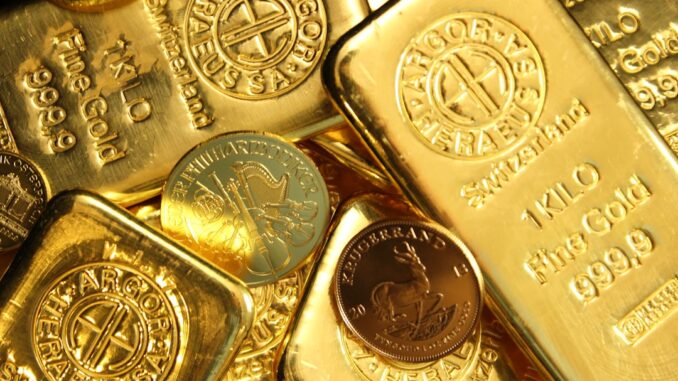
So, what exactly are you getting when you hold a TER token? Each token is backed 1:1 by audited physical gold. And we’re talking about pure, unadulterated 999 fine gold. This isn’t some vague promise of backing; it’s a tangible, verifiable asset. DK Bank holds this gold in secure, audited vaults, ensuring that for every TER token circulating on the Solana blockchain, there’s a corresponding, real-world asset providing its bedrock. The auditing process is rigorous, undertaken by independent, reputable firms to ensure complete transparency and rebuild trust in digital assets.
This 1:1 backing is absolutely crucial, don’t you think? In a cryptocurrency market often characterized by its notorious volatility, a gold-backed token like TER offers a stable, reliable anchor. It’s a welcome antidote to the wild swings we sometimes see, providing a hedge against inflation and economic uncertainty. Think of it as the best of both worlds: the liquidity and transferability of a digital asset combined with the enduring value of gold. It’s a smart move for wealth preservation, especially for those who might be wary of purely speculative digital assets.
One of the most impressive aspects of TER is its accessibility. They’ve designed it so that one TER token represents a mere 0.01 grams of that 999 pure gold. At current market prices, that’s approximately $1.30. This fractional pricing strategy is a game-changer. Traditionally, gold ownership has been the preserve of the wealthy, requiring significant capital to purchase bars or coins. But with TER, ordinary citizens, even those with modest savings, can participate in gold ownership. It democratizes access to a historically exclusive asset, allowing practically anyone to invest in a tangible store of value. Imagine, for instance, a young professional in Thimphu wanting to start saving in gold; now, they can do so digitally, incrementally, without needing to buy a full ounce. It’s brilliant, really, for financial inclusion.
The Mechanics of Trust: Auditing and Custody
Let’s delve a bit deeper into the auditing and custody. The transparency in this model is something that, frankly, excites me. Regular, independent audits of the physical gold reserves are non-negotiable. These audits confirm that the amount of gold held in DK Bank’s vaults precisely matches the number of TER tokens in circulation. This isn’t just about compliance; it’s about building an unwavering foundation of trust, which is often the missing piece in many tokenized real-world asset (RWA) projects. You can’t underestimate the importance of verifiable, off-chain proof when you’re dealing with something as inherently valuable as gold.
Furthermore, DK Bank’s role as the exclusive custodian isn’t taken lightly. Their state-of-the-art security protocols, both physical and digital, are designed to safeguard the gold and the digital ledger. This robust custody solution mitigates risks associated with theft, loss, or manipulation, ensuring that TER remains a dependable store of value. It’s clear that every detail, from the gold itself to its digital representation and its safekeeping, has been meticulously planned. I mean, you’ve got to appreciate that level of diligence, right?
Solana: The Digital Backbone for Bhutan’s Golden Ambition
The choice of the Solana blockchain for issuing TER is far from arbitrary; it’s a deeply strategic decision that speaks volumes about Bhutan’s pragmatic approach to technology. Solana, as many of you know, is celebrated for its unparalleled transaction speed, remarkably low fees, and, crucially, its minimal environmental impact. When you consider Bhutan’s national ethos, particularly its commitment to Gross National Happiness and environmental preservation, Solana emerges as an almost perfect fit.
Let’s break down why Solana was the right partner:
-
Blazing Speed and Scalability: In the world of blockchain, speed matters immensely. Solana boasts an incredible transaction per second (TPS) capability, far exceeding many legacy blockchains. For a sovereign-backed token that could potentially see widespread adoption, both domestically and internationally, this scalability is non-negotiable. Bhutan needs a platform that can handle not just current demand but future growth, ensuring smooth and efficient transactions, whether you’re buying 0.01g or 100g of gold. It can’t afford bottlenecks, can it?
-
Nominal Transaction Fees: We’ve all groaned at high gas fees on other networks, especially during peak times. Solana’s transaction fees are famously low, often fractions of a cent. This directly supports TER’s mission of accessibility. If you’re enabling fractional gold ownership for everyday citizens, you can’t have transaction costs eating into their savings. Low fees make micro-transactions viable and encourage broader participation, aligning perfectly with the democratic spirit of TER.
-
Environmental Harmony: This point simply cannot be overstated when it comes to Bhutan. A nation that actively pursues carbon negativity and enshrines environmental protection in its constitution wouldn’t choose a blockchain that has a massive energy footprint. Solana’s proof-of-history consensus mechanism, combined with proof-of-stake, makes it significantly more energy-efficient than older proof-of-work systems. This aligns beautifully with Bhutan’s environmental stewardship, showcasing a thoughtful integration of technology that doesn’t compromise its core values. It’s a testament to responsible innovation, really.
Jigdrel Singay, Board Director of GMC, articulated this trust beautifully, stating, ‘For us, for the sovereign country, to tokenize the most valuable asset on the public chain, that means a lot to us. And that also says our trust that we place in Solana as a public chain.’ That quote, it’s powerful, isn’t it? It highlights not just a technical preference but a philosophical alignment. Choosing a public chain, one that’s permissionless and transparent, over a private, permissioned one, signals a deeper commitment to decentralization and openness, values that, surprisingly, resonate with Bhutan’s often-private approach to governance, yet here, it’s about global transparency.
Lily Liu, President of the Solana Foundation, echoed this sentiment, noting, ‘We are honored that Gelephu Mindfulness City chose Solana as the blockchain for TER. The network combines speed, low cost, and energy efficiency with secure, gold-backed reserves.’ This collaboration is a major validation for Solana, solidifying its position as a go-to platform for serious, institutional-grade RWA projects. It proves Solana isn’t just for memecoins; it’s robust enough for a nation’s digital treasury.
The Wider Canvas: Bhutan’s Ambitious Digital Strategy
The launch of TER isn’t an isolated event; it’s another meticulously placed piece in Bhutan’s increasingly sophisticated digital puzzle. If you’ve been following Bhutan, you’d know they’re not new to the digital asset space. This Himalayan kingdom has been quietly, yet strategically, building out a comprehensive digital ecosystem, demonstrating a clear vision for its future.
Let’s connect some of these dots, because it really paints a fuller picture of what they’re doing:
-
Bitcoin Mining Since 2019: Bhutan has been involved in Bitcoin mining since 2019, leveraging its abundant hydropower resources. This isn’t just a casual foray; it’s a strategic move that aligns its natural wealth with the digital economy. While many nations are still debating the energy consumption of crypto mining, Bhutan found a sustainable way to participate, utilizing its excess clean energy. This long-term commitment shows a deep understanding and proactive stance on digital assets, well before they became mainstream talking points for many governments.
-
Ripple CBDC Pilot: Alongside its exploration of decentralized assets, Bhutan has also been piloting a Central Bank Digital Currency (CBDC) with Ripple. This dual approach is fascinating, isn’t it? It suggests a pragmatic strategy: exploring both centralized (CBDC) and decentralized (TER, Bitcoin mining) digital finance solutions. It’s a way of mitigating risks, understanding different models, and preparing for a future where both might coexist and complement each other.
-
Digital Identity Program on Ethereum: Bhutan’s commitment to digital transformation extends to its citizens’ identities. They’ve implemented a digital identity program built on the Ethereum blockchain. This is fundamental for modern governance, enhancing public services, ensuring secure authentication, and streamlining administrative processes. It speaks to a holistic digital vision where core national infrastructure is being modernized using blockchain technology.
-
Binance Pay for Crypto Tourism Payments: This is a particularly clever and practical application. Bhutan, a nation that carefully manages its tourism, recognized the potential of crypto payments. Partnering with Binance Pay for crypto tourism payments signals an openness to modern travelers and their preferred payment methods. It’s an innovative way to appeal to a global, tech-savvy audience, making the Land of the Thunder Dragon even more accessible for those who live in the digital realm.
John Ge, CEO of Matrixport, a major player in the digital assets space, offered valuable perspective on the collaboration, stating, ‘Matrixdock, our flagship RWA business unit, is proud to support GMC’s TER token. This partnership reflects our commitment to building trusted, transparent, and globally connected financial infrastructure.’ Matrixport’s involvement, especially through its RWA unit, Matrixdock, lends significant technical prowess and market liquidity expertise to the TER project. They’re not just supporting; they’re likely helping build the underlying infrastructure that connects TER to the broader global financial ecosystem, ensuring it has the rails it needs for widespread adoption and trading. This kind of collaboration is essential for bridging the gap between traditional finance and decentralized applications.
Collectively, these initiatives demonstrate Bhutan’s overarching philosophy: responsible innovation, transparency, and sustainability. They aren’t just jumping on the latest tech trends. Instead, they’re carefully integrating technology to serve their unique national goals, always with an eye towards the long-term well-being of their people and the environment. It’s a masterclass in how a smaller nation can thoughtfully embrace the future without losing its soul. You really gotta admire that balance, I think.
A Golden Precedent: Bhutan’s Legacy in the Digital Age
By introducing TER, Bhutan isn’t merely launching a new digital asset; it’s creating a compelling blueprint, a significant precedent, for how other nations, regardless of their size or economic standing, might explore the integration of real-world assets into the rapidly evolving digital economy. This project isn’t just about gold; it’s about trust, accessibility, and sovereign innovation in a globalized, digitized world.
What implications does this hold for the future of finance? It suggests a coming era where the distinction between physical and digital assets blurs even further, where illiquid assets can be fractionalized, tokenized, and made accessible to a far broader audience. For smaller economies, this could unlock new avenues for wealth creation, investment, and even attracting foreign capital in novel ways. Imagine a world where national resources, be it minerals, real estate, or even cultural heritage, could be securely tokenized and traded globally with unprecedented transparency. Bhutan, in its characteristic quiet but impactful way, is showing us a glimpse of that future.
Of course, no journey into uncharted territory is without its challenges. Broader adoption, regulatory harmonization across borders, and the continuous evolution of blockchain technology will all require ongoing attention and adaptation. Yet, Bhutan’s journey with TER speaks volumes about its courage to innovate and its unwavering commitment to its core values. It’s a fascinating case study, truly, of how a nation can remain anchored in its profound heritage while simultaneously soaring into the digital frontier. And I, for one, can’t wait to see what treasures they unearth next.
Be the first to comment