
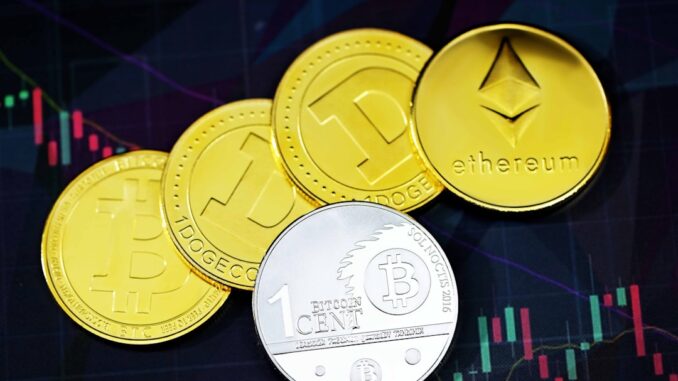

Navigating the Crypto Frontier: Seven Essential Pillars for Smarter Investing
Investing in cryptocurrencies, it’s a bit like stepping onto a wild, exhilarating rollercoaster, isn’t it? The market’s dizzying speed and its notorious volatility can feel both incredibly exciting and, let’s be honest, a little bit terrifying. You hear stories of overnight millionaires, sure, but also of fortunes vanishing in a flash. That’s precisely why a cautious, well-informed approach isn’t just a good idea; it’s absolutely crucial. Forget just ‘diving in’; we’re talking about strategically mapping your journey before you even dip a toe. Here, I’ve laid out seven foundational considerations, sharpened and expanded, to really guide your path through this fascinating, often turbulent, digital landscape.
1. Demystifying the Mechanics: Buying, Selling, and Exchanging Digital Assets
Before you even think about placing that first trade, you simply must grasp the fundamental mechanics of how digital currencies move. It’s like learning to drive; you wouldn’t just hop in and hit the highway without understanding the pedals, would you? This foundational knowledge isn’t just practical, it builds confidence, which you’ll definitely need here.
Investor Identification, Introduction, and negotiation.
Understanding Centralized and Decentralized Exchanges
Your journey into crypto usually starts with an exchange. We generally categorize these into two main types: Centralized Exchanges (CEXs) and Decentralized Exchanges (DEXs).
Centralized Exchanges (CEXs): Your Digital Bank Analogy
Think of CEXs like Coinbase, Binance, Kraken, or Gemini as the traditional banks of the crypto world. They act as intermediaries, holding your funds and facilitating trades. They offer user-friendly interfaces, often with sleek apps, making them the go-to for most beginners. When you sign up, you’ll go through a Know Your Customer (KYC) process, which involves verifying your identity with documents like a driver’s license or passport. This is a regulatory requirement, and it’s how they keep things above board, preventing illicit activities. Once verified, you’ll link a bank account or credit card to deposit fiat currency – your good old dollars, euros, or pounds.
- Funding Your Account: You’ll typically find various deposit methods, from bank transfers (ACH, SEPA, wire) to debit/credit card purchases. Bank transfers are often cheaper but slower; card purchases are instant but usually come with higher fees. Pick what suits your urgency and budget.
- Placing Your First Trade: On a CEX, you’ll find various order types. A ‘market order’ lets you buy or sell instantly at the current market price, which is fast but sometimes you get filled at a slightly different price than you saw. A ‘limit order’, on the other hand, lets you specify the exact price you want to buy or sell at. Your order only executes if the market reaches that price. This is great for more strategic entries and exits, giving you more control over your trade execution. For instance, my friend Mark, bless his enthusiastic heart, jumped into Dogecoin with a market order during a peak a few years back, just to find he paid a good 10% more than he thought he would. A limit order would’ve saved him a headache, and some cash.
- Withdrawing Funds: Equally important is knowing how to get your money out. You can usually withdraw fiat back to your linked bank account, or send your crypto to an external wallet. Familiarize yourself with withdrawal limits and fees beforehand, as these vary wildly between platforms.
Decentralized Exchanges (DEXs): The Wild West of Self-Custody
DEXs, like Uniswap or PancakeSwap, operate without a central authority. You connect your own crypto wallet (more on those in a sec) directly to the platform, and trade assets peer-to-peer. There’s no KYC, and you maintain full control of your private keys. While this offers incredible sovereignty, it also means you’re solely responsible for your security. There’s no customer support to recover your funds if you make a mistake, and the interfaces can be a bit more complex for newcomers.
The Critical Role of Wallets
So, where do your digital assets actually live? Not directly on the exchange, technically. They’re on the blockchain, and your ‘wallet’ is essentially a tool that holds the cryptographic keys proving you own them. Understanding these is non-negotiable.
- Hot Wallets: These are connected to the internet. Think of exchange wallets (where your funds are held by the CEX), mobile apps, or browser extensions like MetaMask. They’re convenient for frequent trading but inherently carry higher risk due to their online nature. They’re often called ‘hot’ because they’re always ‘on.’
- Cold Wallets (Hardware Wallets): The Gold Standard of Security These are physical devices, like a USB stick, that store your private keys offline. Ledger and Trezor are popular brands. They’re practically impervious to online hacks because your private keys never touch the internet unless you’re explicitly signing a transaction. For any significant amount of crypto, a hardware wallet isn’t just recommended, it’s essential. It’s the digital equivalent of keeping your valuables in a safe deposit box, away from prying eyes.
- Seed Phrases and Private Keys: When you set up a non-custodial wallet (where you control your own keys), you’ll receive a ‘seed phrase’ – typically 12 or 24 words. This phrase is the master key to your funds. Never share it. Never store it digitally. Write it down, make multiple copies, and store them securely offline. Lose your seed phrase, and you lose your crypto. It’s as simple, and as terrifying, as that.
Gas fees and network congestion are also part of the mechanics. Different blockchains have different fee structures; Ethereum, for example, can get notoriously expensive when the network’s busy. Always check these costs before transacting, a surprise fee can really eat into your gains.
2. Diversification: Don’t Put All Your Digital Eggs in One Basket
We’ve all heard the stories, haven’t we? ‘I put everything into X coin and it went 100x!’ While those anecdotes certainly capture the imagination, they’re often the outliers, the lottery winners, not the norm. In the crypto market, where projects can surge or collapse with breathtaking speed, relying on a single asset is less an investment strategy and more a high-stakes gamble. Diversifying your portfolio isn’t about eliminating risk entirely; it’s about managing it intelligently, spreading your bets so that if one project falters, your whole portfolio doesn’t crumble.
Why Diversification is Your Best Friend in Crypto
Cryptocurrency projects are, by their very nature, often experimental. Many have incredible potential, but many more will fail to gain traction, be outcompeted, or succumb to technical flaws. The inherent volatility means even established projects can see massive price swings. By diversifying, you essentially hedge against the unknown.
Strategies for Smart Crypto Diversification
Think beyond just buying a few different altcoins. Real diversification in crypto involves several layers:
- By Market Capitalization: This is often the first layer. Allocate a significant portion of your portfolio to established, large-cap cryptocurrencies like Bitcoin (BTC) and Ethereum (ETH). These are often referred to as ‘blue-chip’ crypto assets. Bitcoin, as digital gold, acts as a store of value, while Ethereum powers a vast ecosystem of decentralized applications. While not immune to volatility, they typically offer more stability compared to smaller, riskier projects. Then, allocate a smaller percentage to mid-cap coins and an even smaller, more speculative portion to low-cap altcoins with high growth potential, but also high risk.
- By Sector/Use Case: The crypto space is incredibly diverse. Don’t just pick random coins; consciously diversify across different sectors. This could include:
- Decentralized Finance (DeFi): Projects like Aave or Compound, focusing on lending, borrowing, and trading without traditional intermediaries.
- Non-Fungible Tokens (NFTs) & Metaverse: Projects like Flow or Sandbox, exploring digital ownership and virtual worlds.
- Layer 1 Blockchains (Alternative Smart Contract Platforms): Solana, Polkadot, Avalanche, Cardano – these are competitors or complements to Ethereum, each with different technological approaches.
- Gaming (GameFi): Axie Infinity, Gala Games, where crypto and NFTs are integrated into gaming experiences.
- Privacy Coins: Monero or Zcash, focusing on enhancing transaction privacy.
- Infrastructure Projects: Chainlink (oracles), Filecoin (decentralized storage).
- Stablecoins: USDC, USDT, BUSD. While not growth assets, holding a portion of stablecoins can offer a refuge during volatile market downturns, allowing you to re-enter positions at lower prices without fully exiting the crypto ecosystem. They also provide liquidity for quick trades.
- By Blockchain Ecosystem: A lot of projects are built on specific blockchains. Rather than investing solely in projects on Ethereum, consider diversification across different ecosystems. For example, if you’re heavily invested in an Ethereum-based DeFi protocol, perhaps look at a Solana-based gaming project or a Polkadot parachain. This spreads your technological bet.
Practical Rebalancing and Risk Management
Diversification isn’t a ‘set it and forget it’ strategy. The crypto market moves quickly, so regular rebalancing is key. If one of your holdings performs exceptionally well and now constitutes an outsized portion of your portfolio, consider taking some profits and reallocating to other assets that may be undervalued or to maintain your desired risk profile. Similarly, if an asset underperforms significantly and you’ve lost confidence in its long-term viability, don’t be afraid to cut your losses and reallocate. Remember, it’s about balancing potential rewards with risk, not just chasing every hot new token.
My colleague Sarah, she was heavily into one particular altcoin, truly believed it was the next big thing. When it tanked, so did a huge chunk of her portfolio. If only she’d spread that investment, she’d have weathered the storm much better. It’s a harsh lesson, but a common one.
3. The Unsung Hero: Conduct Thorough Research (DYOR – Do Your Own Research)
In the buzzing, often chaotic crypto space, ‘Do Your Own Research’ – DYOR – isn’t just a catchy phrase; it’s a golden rule, etched in virtual stone. You simply cannot afford to blindly follow influencers, anonymous social media posts, or even well-meaning friends. Your capital is at stake, and the onus is entirely on you to understand where it’s going. This isn’t just about reading a few articles; it’s about digging deep, asking tough questions, and developing a critical eye.
Deconstructing a Project: What to Look For
When you’re evaluating a cryptocurrency project, imagine yourself as a venture capitalist, scrutinizing every angle. What are the key elements you need to dissect?
- The Whitepaper and Official Documentation: This is the project’s blueprint. The whitepaper should clearly articulate the problem the project aims to solve, its proposed technical solution, the underlying technology, and its vision. Is it well-written? Is it technically sound? Does it make sense? A vague or overly simplistic whitepaper is a major red flag. Also, check out their lightpaper, technical documentation, and GitHub repository for code activity.
- The Development Team and Advisors: Who are the brains behind the operation? Look for experienced professionals with relevant backgrounds in tech, finance, or blockchain. Are they doxxed (publicly identifiable)? An anonymous team isn’t necessarily a deal-breaker, especially in privacy-focused projects, but it does add an extra layer of risk. Transparency and a proven track record instill confidence. What about their advisors? Are they credible figures in the industry, or just names slapped on for marketing?
- The Project Roadmap and Milestones: Does the project have a clear, realistic roadmap outlining future developments and goals? Are they hitting their stated milestones, or constantly pushing back deadlines? Regular updates and tangible progress are positive indicators. A static or nonexistent roadmap suggests a lack of direction.
- Tokenomics (Token Economics): This is absolutely critical. How many tokens exist? What’s the total supply, and what’s the circulating supply? How are tokens distributed (e.g., initial sale, team allocation, mining, staking rewards)? Are there vesting schedules for team and early investors (meaning their tokens are locked up for a period), preventing a ‘dump’ on the market? What is the token’s utility within the ecosystem? Does it have a genuine purpose, or is it just a speculative asset? Understanding the supply and demand dynamics, and any inflationary or deflationary mechanisms, is paramount.
- Community and Ecosystem: An active, engaged, and growing community (on platforms like Discord, Telegram, Twitter, Reddit) can be a sign of a healthy project. However, be wary of communities filled with pure hype or aggressive shilling. Look for intelligent discussion, constructive feedback, and responsive developers. Is there a vibrant ecosystem of developers building on the platform, or is it a ghost town?
- Technology and Innovation: Is the underlying technology truly innovative, or is it just a rehash of existing solutions? What unique value proposition does it offer? How does it compare to competitors? Is the code open-source and regularly audited for security vulnerabilities?
- Real-World Use Case: Does the project solve a genuine problem? Is there a market for its solution? Or is it a solution in search of a problem, driven purely by speculative fervor? Projects with clear, demonstrable utility tend to have more staying power.
Where to Find Information (and What to Avoid)
Gathering information requires a discerning approach. Stick to reputable sources:
- Official Channels: The project’s official website, whitepaper, blog, and social media accounts are your primary sources.
- Reputable Crypto News Outlets: Sites like CoinDesk, CoinTelegraph, The Block, and Blockworks often provide in-depth analyses and reporting. But always read critically; even reputable sources can have biases.
- Independent Research Platforms: Messari, CoinGecko, and CoinMarketCap offer data, metrics, and often research reports on various projects. They’re excellent starting points for quantitative data.
- Academic and Technical Papers: For the truly dedicated, delving into the academic research behind cryptographic principles or consensus mechanisms can offer profound insights.
Crucially, be incredibly skeptical of ‘influencers’ who shill projects without disclosing sponsorships, or who promise guaranteed returns. Their incentives often don’t align with yours. Also, avoid falling into echo chambers where only positive sentiment is allowed; seek out dissenting opinions and critiques to get a balanced view. Remember, if someone else’s ‘research’ leads to your losses, they won’t be footing the bill. It’s your money, so it’s your job to understand where it’s going.
4. Unrealistic Promises: If It Sounds Too Good to Be True…
In the glitzy, often frenetic world of cryptocurrency, the allure of quick riches is a powerful magnet. And unfortunately, where there’s opportunity, there are also predators. The crypto space, because of its relative newness and complexity for many, is a prime hunting ground for scams and projects making utterly outlandish claims. If an investment opportunity dangles the promise of extraordinary, guaranteed returns or presents groundbreaking technology with vague explanations, your internal alarm bells should be ringing like Big Ben. Seriously, they should be deafening.
Recognizing the Red Flags of Deceptive Schemes
Being able to identify these warning signs is one of your most potent defenses. Here are some common hallmarks of projects you should approach with extreme caution, if not outright avoid:
- Guaranteed, High Returns with Little to No Risk: This is the most glaring red flag across all investment types, not just crypto. No legitimate investment, especially in a volatile market like crypto, can guarantee high returns. If a project promises daily, weekly, or monthly returns that seem incredible (e.g., ‘1% daily interest!’, ‘1000% APY guaranteed!’), it’s almost certainly a Ponzi scheme or similar fraud. They pay early investors with money from later investors, until the whole house of cards collapses.
- Urgency and Pressure Tactics: Scammers often create a false sense of urgency – ‘invest now or miss out forever!’, ‘limited time offer!’. They want you to make impulsive decisions without thorough research. Don’t fall for it; rational decisions require time and calm reflection.
- Anonymous or Untraceable Teams: While some legitimate crypto projects (especially those focused on privacy) might have pseudonymous developers, a completely anonymous team, with no public track record or verifiable identity, is a huge risk, especially when coupled with other red flags. It makes accountability impossible if things go south.
- Vague Whitepapers and Technology: A legitimate project will have a clear, detailed whitepaper explaining its technology, use case, and tokenomics. If the project’s documentation is filled with buzzwords, lacks technical depth, or simply doesn’t make sense, it’s a huge cause for concern. They might be trying to obscure the fact that there’s no real technology or value underneath.
- Focus on Referrals (Multi-Level Marketing Structure): Many scams, particularly Ponzi schemes, rely heavily on recruiting new investors. If the primary way to earn money or ‘grow’ your investment is by bringing in more people, that’s a classic MLM/pyramid scheme structure, which is unsustainable and illegal.
- Exaggerated Marketing and ‘Influencer’ Hype: While marketing is normal, excessive, over-the-top marketing, often involving questionable celebrity endorsements or a swarm of ‘influencers’ promoting it without clear disclosure, should raise an eyebrow. Are they selling a product, or just selling hype?
- Lack of Audits or Security Measures: For projects involving smart contracts (especially in DeFi), reputable projects will undergo rigorous security audits by independent firms. A project that avoids or dismisses security audits is a huge risk, as vulnerabilities can lead to catastrophic losses.
Common Scam Types in Crypto
- Rug Pulls: This is where developers create a seemingly legitimate project, attract a lot of investor money, and then suddenly ‘pull the rug out’ – draining all the funds and disappearing. Often, they control a significant portion of the token supply and sell it all at once.
- Phishing Scams: These aim to trick you into giving up your private keys, seed phrase, or exchange login details through fake websites, emails, or messages that look legitimate. We’ll talk more about security later, but vigilance is key.
- Pump-and-Dump Schemes: A group of individuals artificially inflates the price of a low-volume cryptocurrency through coordinated buying and hype on social media. Once the price is high, they ‘dump’ their holdings, making a profit while unsuspecting investors are left with worthless tokens.
I remember nearly falling for a seemingly lucrative DeFi project once. It promised astronomical staking returns and had all the bells and whistles of a sleek website. But when I tried to dig into the team, it was just vague bios and no real public presence. And the whitepaper? It read like a marketing brochure, not a technical document. My gut feeling, coupled with that intense skepticism, saved me. Always trust your instincts, especially when the promises are so sweet they almost give you a toothache. Always verify, verify, and then verify again before committing your hard-earned funds.
5. Taming the Beast Within: Resisting the Fear of Missing Out (FOMO)
Ah, FOMO. It’s that insidious feeling, isn’t it? The one that gnaws at your insides when you see a coin you almost bought suddenly skyrocket, or hear a friend brag about their insane gains. In the lightning-fast, emotionally charged crypto market, FOMO is less an emotion and more an epidemic. It’s the primary driver behind impulsive, often disastrous decisions. Imagine watching a chart shoot up 50% in an hour, your heart pounding, thinking ‘I have to get in now, or I’ll miss the rocket!’ That, my friend, is FOMO, and it’s a direct path to buying at the top and selling at the bottom, which is, well, the exact opposite of what we want to do.
The Psychology of FOMO and Its Market Impact
FOMO isn’t unique to crypto, but the 24/7 nature of the market, coupled with the rapid, often irrational price movements, makes it particularly potent. Social media amplifies it, as everyone broadcasts their wins (and rarely their losses). Our brains are wired to seek rewards and avoid missing out on opportunities, a survival mechanism that, in investing, can become a significant liability. When FOMO takes hold, rational thought often takes a backseat to primal urges, leading to:
- Buying at the Peak: The classic FOMO mistake. You see a coin pumping hard, convince yourself it’s ‘going to the moon,’ and jump in just as the smart money is taking profits. The price then corrects, leaving you holding the bag.
- Selling During a Dip (Panic Selling): Conversely, when the market takes a sudden dive, FOMO’s cousin, FUD (Fear, Uncertainty, and Doubt), kicks in. You panic, fearing further losses, and sell your assets at a discount, often just before a recovery.
- Ignoring Your Research: All that meticulous DYOR you did? FOMO can make you abandon it in a heartbeat, chasing a trending coin purely because ‘everyone else is.’
Strategies for Building Emotional Discipline
Combating FOMO requires discipline and a well-defined strategy. You need to train your mind to resist the noise and stick to your plan:
- Develop a Clear Investment Thesis and Plan: Before you invest, define your goals, your risk tolerance, and why you’re investing in a particular asset. What’s your entry strategy? Your exit strategy? What percentage of your portfolio will it represent? Write it down. When FOMO hits, refer back to your plan. This is your anchor in a stormy sea.
- Implement Dollar-Cost Averaging (DCA): This is one of the most effective ways to neutralize FOMO. Instead of trying to ‘time the market’ (which is nearly impossible), you invest a fixed amount of money at regular intervals (e.g., $100 every week) regardless of the price. This averages out your purchase price over time, reducing the risk of buying everything at a peak. It takes the emotion out of investing and replaces it with consistency.
- Set Price Alerts and Take-Profit/Stop-Loss Orders: If you’re eyeing a particular asset, set an alert for your desired entry price. If it pumps without you, let it go. There will always be other opportunities. Similarly, use stop-loss orders to automatically sell if a price drops to a certain level, protecting your capital from steep downturns, and take-profit orders to secure gains.
- Limit Your Exposure to Hype Chambers: Step away from Twitter, Telegram groups, and forums that are constantly filled with speculative chatter and price predictions. Curate your information sources to focus on fundamentals and long-term trends, not short-term pumps.
- Understand Market Cycles: The crypto market is cyclical. Bull runs are followed by bear markets, and corrections are a natural, healthy part of the process. Remind yourself that parabolic moves aren’t sustainable, and patience often rewards those who wait for more rational entry points.
- Focus on the Long Term: If you truly believe in the long-term potential of a project based on your research, short-term price fluctuations become less impactful. Don’t let fleeting market sentiment derail your conviction. I remember watching Bitcoin plummet from its 2017 peak, and the FOMO to sell was overwhelming, but I’d set my long-term strategy, and sticking to it meant I caught the next big run. It wasn’t easy, trust me, but it was worth it.
Resisting FOMO isn’t easy; it’s a continuous battle against your own impulses. But by cultivating a disciplined approach, rooted in research and a clear strategy, you can transform a powerful emotional liability into a significant advantage.
6. Fortifying Your Digital Frontier: Implementing Robust Security Measures
In the traditional financial world, banks and institutions bear the primary responsibility for securing your assets. In crypto, however, the mantra ‘you are your own bank’ rings profoundly true. While this grants unparalleled financial sovereignty, it also places the entire burden of security squarely on your shoulders. Frankly, neglecting security in the crypto space isn’t just risky; it’s practically an invitation for bad actors. You must become your own fortress, vigilant against the relentless tide of scams, hacks, and human error.
Essential Security Layers for Your Crypto Holdings
Building a robust security posture involves multiple layers, from your digital hygiene to physical hardware:
- Bulletproof Passwords and Two-Factor Authentication (2FA): This is foundational. Every single online account related to your crypto – exchanges, email, social media, wallets – needs a strong, unique password. Think long, complex strings of uppercase, lowercase, numbers, and symbols. Ditch ‘Password123’ immediately. Crucially, always enable 2FA. SMS-based 2FA is better than nothing, but it’s vulnerable to SIM-swap attacks. Hardware 2FA devices like a YubiKey, or authenticator apps like Google Authenticator or Authy, are far superior as they generate time-sensitive codes, making unauthorized access much harder. My buddy lost a decent chunk of change because he used an easy password and no 2FA on a lesser-known exchange. A tough, painful lesson.
- Hardware Wallets: Your Offline Vault: For any significant amount of cryptocurrency, a hardware wallet (like a Ledger or Trezor) is non-negotiable. These devices store your private keys offline, completely isolated from internet-connected devices. When you want to send crypto, you physically confirm the transaction on the device itself. This means that even if your computer is compromised with malware, your private keys remain secure. It’s the closest thing to absolute security you’ll get for your digital assets.
- Mastering Seed Phrase Management: If you’re using a non-custodial wallet (where you control the keys), you received a seed phrase (e.g., ‘twelve words, carefully written’). This phrase is the ultimate backup – the master key to your funds. If someone gets it, they own your crypto. Therefore:
- Never store your seed phrase digitally. No screenshots, no cloud storage, no typing it into a document. Ever.
- Write it down on paper or engrave it on metal. Make multiple copies.
- Store these physical copies in secure, separate, and discreet locations. Think fireproof safes, secure vaults, or even hidden spots only you know about. Treating your seed phrase like the deed to your house is a good start.
- Beware of Phishing and Social Engineering: This is where human vulnerability is exploited. Phishing attempts come in many forms: fake emails impersonating exchanges, malicious websites mimicking legitimate ones, direct messages on social media from ‘support’ trying to get your details. Always double-check URLs, scrutinize email addresses, and never click suspicious links. Exchanges will never ask for your password or seed phrase via email or chat. Trust your intuition; if an offer or message feels ‘off’, it probably is. Imagine a scammer trying to convince you to ‘verify your wallet’ by entering your seed phrase on a fake website, it happens more often than you’d think, with devastating consequences.
- Software and System Updates: Keep your operating system, web browser, and any crypto-related software (e.g., wallet apps) updated. These updates often include critical security patches that protect against newly discovered vulnerabilities.
- Public Wi-Fi Aversion: Avoid accessing your crypto accounts or performing transactions on public Wi-Fi networks. They are often unencrypted and susceptible to ‘man-in-the-middle’ attacks where hackers can intercept your data.
- Whitelisting Withdrawal Addresses: Many exchanges allow you to ‘whitelist’ crypto withdrawal addresses. Once an address is whitelisted, you can only send funds to that specific address, and any new address requires a waiting period (e.g., 24-48 hours) after being added. This feature provides a crucial buffer if your exchange account ever gets compromised, giving you time to react before funds can be siphoned off.
Remember, your security is entirely in your hands. A few hours spent setting up robust security measures can save you a lifetime of regret and potential financial ruin. This isn’t paranoia; it’s just smart practice in a frontier economy.
7. The Unending Evolution: Stay Informed and Adaptable
The cryptocurrency market isn’t a static pond; it’s a roaring, ever-changing ocean. What was cutting-edge last year might be obsolete today, and regulatory landscapes shift with surprising speed. To truly thrive and not just survive in this environment, staying informed isn’t an optional extra; it’s an absolute imperative. More than that, you must cultivate a mindset of adaptability, ready to pivot your strategies as new information emerges and the market evolves. The moment you become complacent, you risk being left behind.
What to Monitor: A Multi-faceted Information Diet
Your information diet needs to be diverse and critical. Here’s a breakdown of what you should be keeping an eye on:
- Macroeconomic Trends: Crypto doesn’t exist in a vacuum. Global inflation rates, interest rate hikes, geopolitical events, and even broader stock market performance can significantly influence crypto prices. Understanding the broader economic climate helps contextualize market movements.
- Regulatory Developments: Governments worldwide are grappling with how to regulate digital assets. New laws concerning stablecoins, DeFi, NFTs, or even taxation can have profound impacts on specific projects, sectors, or the entire market. Staying abreast of major regulatory proposals or changes in key jurisdictions (like the US, EU, UK, or major Asian economies) is crucial. A new rule could easily shift market dynamics or even pose risks to certain projects.
- Technological Advancements: The blockchain space is a hotbed of innovation. Keep an eye on advancements in scaling solutions (Layer 2s), new consensus mechanisms, cross-chain interoperability, zero-knowledge proofs, and novel applications of Web3. Understanding these technical shifts helps you identify future trends and potential disruptors. For instance, the rise of rollups for Ethereum scaling fundamentally changes how we view transaction throughput.
- Project-Specific Updates: For the cryptocurrencies you hold, follow their official channels closely. Are they hitting roadmap milestones? Announcing major partnerships? Releasing significant software upgrades (like a mainnet launch)? Are there token burns or changes to their tokenomics? These events can be catalysts for price movements and indicate the health and progress of a project.
- Market Sentiment and On-Chain Analytics: While you shouldn’t trade purely on sentiment, understanding it can be helpful. Tools like the ‘Crypto Fear & Greed Index’ offer a snapshot of market psychology. For the more advanced, a basic understanding of on-chain analytics (e.g., tracking large whale movements, exchange inflows/outflows) can provide deeper insights into market dynamics, though be careful not to drown in too much data.
Cultivating Reliable Information Sources
Just as important as what you read is where you read it. Filter out the noise and prioritize reputable sources:
- Leading Crypto News Outlets: CoinDesk, CoinTelegraph, The Block, Blockworks, and Decrypt offer daily news, analyses, and interviews. Read multiple sources to get a balanced perspective.
- Official Project Channels: Subscribe to newsletters, follow official blogs, and join verified Discord or Telegram groups for projects you’re invested in. Be cautious of unofficial groups, which are often filled with scams.
- Reputable Analysts and Researchers: Seek out individuals and firms known for their objective, in-depth research (e.g., Messari, Delphi Digital). Be wary of ‘influencers’ who primarily promote projects without disclosing compensation or providing genuine analysis.
- Podcasts and YouTube Channels: There are many high-quality podcasts and channels that offer expert interviews and market commentary. Again, vet your sources carefully.
The Art of Adaptability
Information alone isn’t enough; you must be willing to adapt. This means:
- Re-evaluating Your Investment Thesis: As new data emerges, ask yourself: ‘Does my original reason for investing in this project still hold true?’ If the fundamentals have changed significantly, or a competitor has surpassed it, be prepared to adjust your position.
- Adjusting Your Portfolio Allocation: Market conditions change. In a bull market, you might be more aggressive; in a bear market, more defensive, perhaps increasing your stablecoin holdings. Don’t be rigid in your approach.
- Embracing New Opportunities (Cautiously): Staying informed allows you to spot emerging trends and promising new technologies. But remember, ‘adaptable’ doesn’t mean ‘impulsive.’ Apply the same rigorous DYOR to new opportunities.
The crypto space is a marathon, not a sprint, and it’s run on shifting sands. The runners who stay informed, who can see the changes coming, and who are nimble enough to adjust their stride, they’re the ones who consistently make it to the finish line, often with healthier portfolios. It’s truly a journey of continuous learning, but it’s one heck of an exciting one.
Final Thoughts on Your Crypto Journey
So, there you have it: seven essential pillars for navigating the often-wild seas of cryptocurrency investing. This isn’t just theory; these are hard-won lessons from years in the digital trenches. Remember, while the potential for significant returns undeniably exists, it’s always twinned with an equally significant risk of loss. There are no shortcuts to financial success here, only diligence, discipline, and a healthy dose of skepticism.
Approach every investment with caution, treat your research like a detective solving a complex case, and always, always prioritize security above all else. This isn’t just about making money; it’s about building a robust, resilient approach that stands the test of time, and the inevitable ups and downs of this incredible, evolving market. Invest responsibly, my friends, and happy hunting!
Be the first to comment