
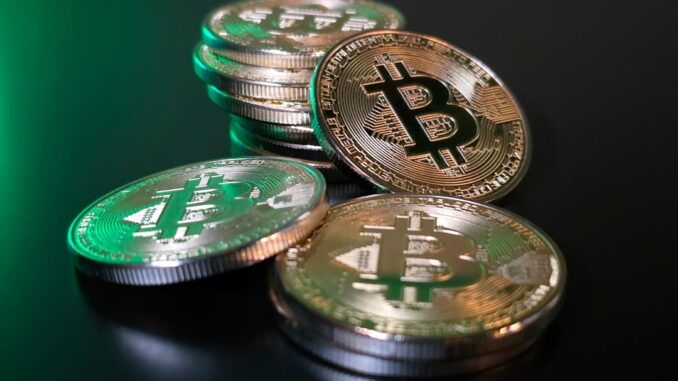

Navigating the Digital Winter: Top Crypto Mining and Staking Opportunities in December 2025
As the crisp, almost biting air of winter truly settles in, bringing with it shorter days and the promise of festive cheer, the cryptocurrency landscape, too, experiences its own particular season. December 2025 isn’t just about hot cocoa and holiday lights; it’s a pivotal moment. This period often ushers in a more strategic approach to digital assets, making it an ideal time to reassess and explore how you might grow your crypto portfolio. We’re talking about tokens that not only offer compelling potential returns but also align beautifully with a savvy, long-term investment mindset. It’s a chance to build, to accumulate, even as the world outside slows down.
So, if you’re looking to put your capital to work, or perhaps leverage some hardware, let’s dive deep into some of the most promising cryptocurrencies you can mine and stake right now. We’ll explore why these particular assets stand out, dissecting the mechanics, the potential, and of course, the ever-present considerations.
Assistance with token financing
The Allure of Mining: Unearthing Digital Value in December
Mining, for many, remains the foundational pillar of the crypto ecosystem. It’s an active way to participate, to essentially ‘earn your keep’ by validating transactions and, in doing so, securing the network itself. Think of it as the digital equivalent of an old-school prospector, diligently sifting through virtual earth for those precious nuggets. In December 2025, with the market having matured considerably since its wilder youth, several cryptocurrencies truly shine, not just for their profitability but for their accessibility to various types of miners. However, the game has changed. Those days of casually mining Bitcoin on your home PC are definitely behind us, but new opportunities, and new strategies, have emerged.
Understanding the Mining Landscape Post-Halving
Before we jump into specific coins, it’s crucial to grasp the current mining environment. The primary driver for profitability in Proof-of-Work (PoW) coins is the block reward, the network’s hash rate (a measure of computing power), and, critically, electricity costs. A lower hash rate means less competition for blocks, while cheaper electricity translates directly into higher net earnings. The halving events, which periodically cut block rewards in half, are monumental shifts, forcing miners to become more efficient or seek out new pastures.
1. Bitcoin (BTC): The Digital Gold Rush Continues
Bitcoin, our original digital behemoth, continues its reign as the flagship cryptocurrency, boasting a market capitalization that still comfortably exceeds a trillion dollars. It’s the benchmark, the standard. Post the monumental 2024 halving event, a significant milestone, miners now secure 3.125 BTC per successfully mined block. This reduction, a built-in scarcity mechanism, always sparks debate and, often, a price surge down the line. But what does it mean for miners right now?
Well, the network’s hash rate has, predictably, surged. We’re talking upwards of 700 Exahashes per second (EH/s) now. This insane amount of computing power means that to compete effectively and profitably, you can’t just dabble. You absolutely need cutting-edge Application-Specific Integrated Circuit (ASIC) hardware. These aren’t your gaming GPUs; these are purpose-built machines designed solely for one task: hashing Bitcoin. For instance, a formidable machine like the Antminer S19 Pro, pushing out around 110 Terahashes per second (TH/s), might still generate roughly $15 daily after factoring in electricity costs, assuming a rate of $0.09/kWh. Of course, this varies wildly based on your actual electricity tariff and the ever-fluctuating BTC price.
I remember a colleague, Sarah, who got into mining back when it was still relatively nascent. She started with a couple of basic rigs in her garage. She told me, ‘It was like a digital treasure hunt, you could almost hear the money printing.’ Today’s reality is far more industrial, requiring serious capital investment in hardware, robust cooling systems, and access to cheap, stable power. Large-scale operations often set up in regions with abundant hydroelectric or geothermal energy.
Key Considerations for Bitcoin Mining:
- High Barrier to Entry: The upfront cost for competitive ASICs can be substantial, often running into thousands of dollars per unit.
- Electricity is King: Your profitability hinges almost entirely on your electricity rate. Anything above $0.10/kWh starts to eat significantly into margins.
- Heat and Noise: ASICs are loud and generate immense heat. Residential setups are increasingly challenging.
- Cloud Mining: An alternative for those without the space, capital, or technical know-how for physical mining. You rent hashing power from a large farm. However, be incredibly cautious here, as many cloud mining scams exist. Always do your meticulous due diligence before committing any funds. Check reviews, verify their physical operations if possible, and scrutinize contract terms closely.
2. Dogecoin (DOGE): The Meme That Matured
What started as a lighthearted joke, a meme coin born from internet culture, has genuinely evolved into a viable and, surprisingly, quite robust mining option. Dogecoin isn’t just about the memes anymore; it’s got serious network security and a fiercely loyal global community. Dogecoin offers a generous block reward of 10,000 DOGE, and because it uses the Scrypt algorithm, it’s actually merge-mined with Litecoin. This is a crucial detail!
Merge mining means you can mine both Dogecoin and Litecoin simultaneously with the same hardware and without sacrificing any hash rate for either coin. Essentially, you get two for the price of one, which is incredibly efficient. This arrangement provides frequent block rewards and contributes to Dogecoin’s rapid transaction growth and network security. Its relatively lower mining difficulty, especially when compared to Bitcoin, makes it an enticing choice for miners looking for potentially higher profits and the unique benefit of community engagement, which can be surprisingly powerful in crypto. It’s a bit like joining a particularly enthusiastic club where everyone’s cheering for the same digital underdog.
3. Litecoin (LTC): The Silver to Bitcoin’s Gold
Often dubbed ‘the silver to Bitcoin’s gold,’ Litecoin has carved out a significant niche for its swift peer-to-peer transactions. It also leverages the Scrypt hashing algorithm, like Dogecoin. This means that if you’re mining Litecoin, you’re almost certainly merge-mining Dogecoin at the same time, maximizing your hardware’s output. Litecoin currently provides a solid block reward of 6.25 LTC.
One of its standout features is its block confirmation time, which is roughly five times faster than Bitcoin’s. This really enhances transaction efficiency, making it practical for everyday smaller payments. The introduction of powerful Scrypt-specific ASIC technology means that Litecoin mining, and by extension, Dogecoin mining, is quite accessible now, both for hobbyists with a single dedicated rig at home and larger industrial operations. If you’re looking for a good entry point into ASIC mining that isn’t as intensely competitive or capital-intensive as Bitcoin, LTC/DOGE merge mining offers a compelling proposition. It’s like finding a sweet spot where efficiency meets good returns.
4. Ethereum Classic (ETC): The Original Vision
Ethereum Classic represents the original, un-forked Ethereum blockchain, operating under the staunch principle of ‘code is law,’ born out of the contentious DAO hack. This commitment to immutability gives it a unique philosophical appeal. ETC offers a block reward of 2.048 ETC, a tidy sum.
Its mining difficulty generally ranges from simple to medium, making it a viable option for both GPU and, more recently, some ASIC miners. While the shift of the main Ethereum chain to Proof-of-Stake certainly shook things up, it also sent many GPU miners looking for new homes, and ETC absorbed a significant portion of that hash rate. With over 8,000 active nodes and consistently processing over a million daily transactions, ETC presents genuinely profitable mining opportunities, especially for those who still have idle GPU rigs or are looking for a less saturated ASIC market than Bitcoin. It’s a strong, resilient network that continues to chug along, often overlooked but steadfast.
5. Zcash (ZEC): Privacy, Please
Zcash champions user security and privacy above almost all else, employing sophisticated cryptographic methods like zk-SNARKs (zero-knowledge Succinct Non-interactive ARgument of Knowledge). This allows transactions to be verified without revealing sender, receiver, or amount, offering a truly private financial experience. Zcash provides a healthy mining payout of 1.5625 ZEC per block.
It’s designed to be relatively straightforward to mine, historically favoring GPU technology due to its Equihash algorithm, though ASIC development for Equihash has certainly emerged. This balance has kept it a popular choice among miners who appreciate its core value proposition. Zcash’s unwavering focus on privacy and security adds an extra layer of appeal, attracting a segment of the crypto community that values fungibility and anonymity in their digital transactions. If you believe in financial privacy as a fundamental right, mining ZEC isn’t just about profit; it’s about supporting a crucial technology.
Navigating the Mining Maze: Practical Tips and Considerations
Before you dive headfirst into the humming world of mining, a few practical considerations are in order.
- Research, Research, Research: Don’t just pick a coin based on current profitability. Look at its long-term viability, development roadmap, and community support. What’s their vision?
- Hardware Acquisition: New ASICs can be costly, but the secondary market can offer deals. Be wary of scams and ensure you understand warranty and support.
- Cooling and Ventilation: Mining rigs generate significant heat. Proper cooling is paramount to prevent hardware damage and maintain efficiency.
- Noise Management: ASICs are loud. Plan for noise reduction, especially in residential settings.
- Power Infrastructure: Ensure your electrical system can handle the load. Overloading circuits is not just inefficient; it’s dangerous.
- Monitoring and Maintenance: Mining isn’t ‘set and forget.’ You’ll need to monitor your rigs, update software, and perform occasional maintenance.
- Tax Implications: Mining income is generally taxable. Keep meticulous records of your earnings and expenses. Consult a tax professional for guidance in your specific jurisdiction.
Staking Opportunities: Earning Passive Income in the Digital Age
If the idea of running noisy, hot machines doesn’t quite spark joy for you, or if you’re looking for a more ‘hands-off’ approach to generating returns, then staking is probably your jam. Staking is your ticket to a passive income stream by participating in network validation and governance within Proof-of-Stake (PoS) blockchains. Instead of solving complex mathematical puzzles, you lock up a certain amount of cryptocurrency as collateral, proving your commitment to the network. In return, you get rewarded for helping secure the chain and process transactions. It’s elegant, often environmentally friendlier, and can be incredibly rewarding. December 2025 presents several tokens with truly attractive staking rewards, ripe for the picking.
How Staking Works: A Gentle Introduction
At its core, staking involves holding funds in a crypto wallet to support the operations of a blockchain network. In a PoS system, validators (who have staked their coins) are randomly selected to create new blocks, verify transactions, and maintain network security. The more coins you stake, the higher your chances of being chosen and, consequently, the more rewards you earn. Think of it as a high-yield savings account, but for your crypto, where you also play a role in the health of the network. There’s a certain satisfaction in knowing your assets are actively contributing.
1. Ethereum (ETH): The Behemoth of Staking
Since its monumental transition to a Proof-of-Stake consensus mechanism in September 2022 – a truly historic event in crypto called ‘The Merge’ – Ethereum has cemented its position as the premier stakeable asset. This wasn’t just a technical upgrade; it was a fundamental shift in its economic model. It’s a big deal.
Right now, a staggering 28.13% of all available ETH is staked, which translates to a colossal 34 million ETH tokens. This represents a staking market cap of around $60.3 billion, a number that speaks volumes. This massive pool of staked assets reflects not just the robust confidence investors have in Ethereum’s long-term viability but also the sheer appeal of earning passive income by contributing to the security of the world’s most prominent smart contract platform. To become a solo validator, you need 32 ETH, a significant sum for many. However, the ecosystem has matured beautifully, offering various avenues for smaller investors. You can join staking pools, use liquid staking derivatives (like Lido’s stETH or Rocket Pool’s rETH), or leverage centralized exchange staking services. Each option comes with its own trade-offs regarding control, liquidity, and potential rewards, so choose wisely based on your comfort level.
2. Cardano (ADA): Academic Rigor Meets Decentralization
Cardano, a blockchain born out of peer-reviewed academic research, offers a flexible and robust staking model, typically yielding rewards ranging from 3-5%. Its commitment to decentralization is truly impressive, boasting over 3,000 community-run stake pools that consistently maintain uptime above 99%. This distributed network of pools ensures incredibly robust network security, a real testament to its design principles.
Staking ADA is refreshingly accessible. You can do it directly from your hardware wallet (like a Ledger or Trezor) when connected to official wallets like Yoroi or Daedalus. Even popular platforms like eToro now offer ADA staking, simplifying the process for newcomers. Cardano’s extended unbonding period is often a point of discussion, but it contributes to network stability and discourages rapid shifts in stake, ensuring a more predictable environment.
3. Polkadot (DOT): The Internet of Blockchains
Polkadot aims to be ‘the internet of blockchains,’ facilitating interoperability between disparate networks. Its Nominated Proof of Stake (NPoS) mechanism is quite innovative, allowing users to stake DOT and actively participate in network governance. With NPoS, you, as a nominator, select a set of trusted validators to represent your stake. It’s a crucial responsibility, as the performance of your chosen validators directly impacts your rewards and helps secure the entire Polkadot ecosystem.
As Polkadot’s ecosystem of parachains (its specialized blockchains) continues its impressive growth and adoption, the demand for DOT to secure these chains increases, and staking rewards are expected to become increasingly compelling. It’s not just about earning; it’s about being part of a vision for a multi-chain future. The unbonding period for DOT can be substantial, often around 28 days, which is something to factor into your liquidity planning.
4. Solana (SOL): Speed and Scale
Solana has earned a formidable reputation for its lightning-fast transaction speeds and remarkably low fees. These attributes make it a darling for high-frequency applications and decentralized finance (DeFi). Its unique Proof of History (PoH) mechanism, combined with a traditional PoS layer, enables this incredible throughput.
Staking SOL offers highly attractive rewards, often driven by the network’s rapid growth and increasing utility. Delegating your SOL to a validator is a straightforward process, directly supporting the network’s performance and security. However, with speed comes a unique set of considerations. Solana has experienced occasional network outages, and while the team has worked diligently to address these, it’s something to be aware of. Choosing a reliable, high-performing validator is paramount to maximizing your staking rewards and avoiding potential slashing (a penalty for validator misbehavior). It’s a high-octane network, and participating in its staking is equally dynamic.
5. Tezos (XTZ): The Self-Amending Blockchain
Tezos positions itself as a self-modifying blockchain, meaning it can upgrade itself without the need for contentious hard forks. This is achieved through its unique on-chain governance model, where XTZ holders vote on proposed protocol upgrades. This architectural elegance is a significant draw.
Staking XTZ, a process affectionately known as ‘baking,’ enables direct participation in the network’s governance decisions while simultaneously assisting in its long-term stability and security. Its Delegated Proof of Stake (DPoS) model is user-friendly, allowing you to delegate your XTZ to a ‘baker’ (a validator) who then performs the validation work on your behalf, sharing the rewards. Tezos’s scalability, formal verification of smart contracts, and unwavering focus on long-term sustainability make it a particularly attractive option for staking in 2025. You’re not just earning; you’re actively shaping the future direction of the blockchain itself, which I find incredibly empowering.
Essential Considerations Before You Jump In: Risk Management is Key
Alright, so we’ve painted a pretty exciting picture, haven’t we? But let’s pump the brakes just a tiny bit. While mining and staking offer genuinely compelling avenues for generating returns in the crypto space, they aren’t without their inherent risks. It’s not a magical money tree, you know. Any seasoned investor, or even someone just dipping their toes in, understands that proper due diligence and robust risk management are non-negotiable.
Understanding Market Volatility
First and foremost, cryptocurrency markets are notoriously volatile. The value of your mined or staked assets can fluctuate wildly in short periods. What looks like a profitable venture today might be less so tomorrow if the underlying asset price takes a dive. Imagine mining 0.01 BTC when Bitcoin is at $70,000, only for it to drop to $50,000 by the time you’re ready to sell. That’s a significant haircut on your projected earnings.
The Mining Specifics
For miners, particularly, several factors loom large:
- Electricity Costs: This is your biggest operational expense. Any unexpected spike in energy prices can quickly turn a profitable operation into a loss-making one. Always have a buffer in your calculations.
- Hardware Depreciation: Mining hardware, especially ASICs, depreciates rapidly. Newer, more efficient models constantly emerge, making older gear less competitive. Factor this into your return on investment (ROI) calculations. You won’t sell a five-year-old ASIC for what you bought it for.
- Network Difficulty: As more miners join a network, the difficulty of finding a block increases. This means your individual share of the rewards decreases unless you upgrade your hardware or increase your hashing power.
- Regulatory Scrutiny: Governments worldwide are still figuring out how to regulate crypto mining. Bans or new taxes could emerge, impacting profitability and legality. Keep an eye on local and national developments.
The Staking Specifics
Stakers, while avoiding hardware costs and electricity bills, face their own set of challenges:
- Lock-up Periods: Many staking protocols require you to lock up your assets for a specified duration. During this time, you can’t access them, meaning you lose liquidity. If you need to sell quickly due to a market downturn or personal emergency, you might be out of luck until the unbonding period ends.
- Slashing Risks: For active validators (or if you delegate to a poor one), there’s a risk of ‘slashing.’ This is a penalty, often a forfeiture of a portion of your staked assets, for misbehavior like going offline, double-signing transactions, or other malicious acts. Choose your validators wisely!
- Smart Contract Risks: If you’re using staking pools or liquid staking solutions, you’re interacting with smart contracts. While audited, these contracts can have vulnerabilities that could lead to loss of funds. It’s a software risk, essentially.
- Centralization Concerns: While PoS aims for decentralization, some liquid staking protocols or centralized exchanges can accumulate significant amounts of staked ETH, raising concerns about potential centralization of power within the network. It’s worth thinking about what that means for the long run.
The Importance of Diversification
My personal take? Never put all your eggs in one basket. Whether you’re mining, staking, or doing both, diversification is your best friend. Spread your capital across different assets, different strategies, and even different platforms. This helps mitigate risk and smooth out potential returns over time.
Conclusion: Your Digital Strategy for the Winter Ahead
December 2025, with its chilly embrace, definitely offers a diverse and exciting array of cryptocurrencies for both mining and staking. Each of these assets presents unique features, varying levels of accessibility, and, importantly, significant potential rewards for those willing to do their homework. Whether you see yourself as a seasoned digital prospector, happy to set up those humming ASICs, or a more passive digital landlord, comfortable locking up your assets to earn a yield, these tokens provide compelling avenues to enhance and diversify your crypto portfolio.
However, and I can’t stress this enough, the world of crypto is dynamic. It moves fast, sometimes breathtakingly so. Therefore, always, always conduct thorough, independent research. Understand the intricacies of each project, assess your personal risk tolerance, and factor in everything from electricity costs to lock-up periods before engaging in any mining or staking activities. The digital winter can be a period of immense growth and opportunity, but only for those who approach it with knowledge, caution, and a clear strategy. Happy hunting, and may your digital harvests be bountiful!
Be the first to comment