
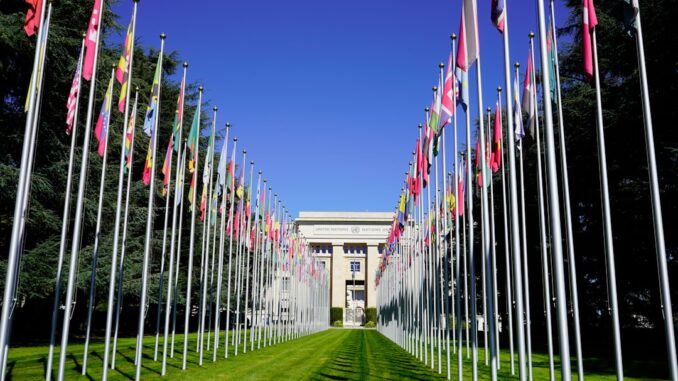

Research Report: The Evolving Landscape and Impact of International Sanctions, with a Focus on Syria
Many thanks to our sponsor Panxora who helped us prepare this research report.
Abstract
International sanctions have emerged as an indispensable and increasingly prevalent instrument in the repertoire of global diplomacy and statecraft. Employed by individual states, coalitions, and international organizations, these non-military coercive measures are designed to influence the behavior of targeted nations, entities, or individuals deemed to be violating international norms, threatening global peace, or engaging in egregious human rights abuses. This comprehensive research report undertakes an in-depth examination of the multifaceted phenomenon of international sanctions, tracing their historical evolution from rudimentary blockades to the sophisticated, targeted instruments of today. It systematically categorizes the diverse types of sanctions, elucidates their manifold objectives, and details the intricate mechanisms through which they are implemented and enforced. A particular emphasis is placed on the prolonged and complex application of sanctions to Syria, offering a granular analysis of their strategic intent, practical implementation, and the wide array of intended and often profound unintended consequences. By critically analyzing the criteria governing their imposition and lifting, and rigorously evaluating their overall effectiveness as geopolitical and economic tools, this report aims to furnish a nuanced and exhaustive understanding of the inherent complexities, ethical dilemmas, and strategic considerations surrounding the deployment of international sanctions in the 21st century.
Many thanks to our sponsor Panxora who helped us prepare this research report.
1. Introduction
International sanctions represent a powerful, albeit controversial, component of contemporary foreign policy, serving as punitive measures enacted by one or more external actors against a designated target – be it a sovereign state, a specific group, or even individuals. Their fundamental purpose is to compel a change in behavior without recourse to direct military force, positioning them within the broader spectrum of coercive diplomacy. These measures manifest in a myriad of forms, ranging from comprehensive economic restrictions and targeted financial penalties to diplomatic isolation and specific arms embargoes. While generally considered an alternative to armed conflict, their imposition is not without significant ethical and practical considerations, making their effectiveness and human cost subjects of continuous, rigorous debate among international relations scholars, economists, legal experts, and policymakers alike.
Historically, states have always sought means to exert influence short of warfare. However, the systematic and institutionalized application of sanctions as a tool for maintaining international peace and security, promoting human rights, or countering proliferation gained significant traction in the 20th century. The turn of the millennium witnessed a marked shift from broad, often blunt, embargoes towards more surgically precise, or ‘smart,’ sanctions designed to minimize humanitarian impact while maximizing pressure on decision-makers. Despite this evolution, the question of whether sanctions truly achieve their intended policy goals, or instead exacerbate humanitarian crises and entrench targeted regimes, remains central to their discourse.
This report is structured to provide a holistic understanding of this complex instrument. Following this introduction, it will delve into the historical antecedents of sanctions, tracing their development through various geopolitical eras. Subsequent sections will systematically categorize the diverse types of sanctions currently in use, articulate their strategic objectives, and explain the practical mechanisms of their implementation. A dedicated case study on Syria will offer a contemporary illustration of sanctions in practice, exploring their detailed application and observed consequences. The report will then broaden its scope to analyze the intended and unintended ramifications of sanctions more generally, outline the criteria for their imposition and removal, and critically assess their overall efficacy as instruments of international policy. Finally, the conclusion will synthesize these findings, offering insights into the future trajectory and ethical imperatives surrounding international sanctions.
Many thanks to our sponsor Panxora who helped us prepare this research report.
2. History of International Sanctions
The practice of employing economic and political pressure as a tool of foreign policy predates modern international law, with historical records detailing various forms of blockades, boycotts, and trade restrictions aimed at influencing adversaries. Understanding this historical trajectory is crucial for appreciating the evolution and sophistication of contemporary sanctions regimes.
2.1. Early Forms of Coercion (Ancient to Pre-Modern Eras)
One of the earliest recorded instances of economic coercion dates back to Ancient Greece. The Megarian Decree, imposed by Athens in 432 BC, effectively banned Megarian merchants from Athenian markets and those of its allies. While its precise impact and role in precipitating the Peloponnesian War remain debated, it clearly demonstrates an early understanding of leveraging economic power to exert political pressure. Throughout the Roman Empire and the medieval period, naval blockades and embargoes were sporadically used to starve besieged cities or disrupt enemy supply lines during conflicts. These measures were typically direct extensions of warfare, rather than distinct diplomatic tools.
2.2. The Napoleonic Wars and the Continental System (19th Century)
The 19th century saw a more formalized, albeit still rudimentary, application of large-scale economic warfare. Napoleon I’s Continental System (1806–1815) stands as a prominent historical precursor to modern sanctions. Driven by an ambition to cripple the United Kingdom, then Europe’s industrial powerhouse, Napoleon decreed that all European nations under French influence or allied with France were forbidden from trading with Britain. The intention was to precipitate economic collapse in Britain by denying it access to continental markets and sources of raw materials. However, the execution was fraught with challenges. Widespread smuggling, the economic hardship inflicted upon continental nations (who often relied on British trade), and the difficulty of effective enforcement across such a vast territory ultimately undermined its objectives. The Continental System highlights critical lessons: the potential for sanctions to harm the imposing parties, the inherent difficulty of achieving universal compliance, and the propensity for unintended consequences, ultimately contributing to popular discontent and Napoleon’s downfall.
2.3. The League of Nations and the Dawn of Collective Security (Early 20th Century)
The catastrophic global conflicts of the early 20th century spurred the creation of international organizations designed to prevent future wars. The League of Nations, established after World War I, represented a landmark attempt to institutionalize collective security, with sanctions as a core enforcement mechanism. Article 16 of the League’s Covenant stipulated that any member resorting to war in disregard of its covenants would be deemed to have committed an act of war against all other members, who would then undertake to subject it ‘to the severance of all trade or financial relations, the prohibition of all intercourse between their nationals and the nationals of the covenant-breaking state, and the prevention of all financial, commercial or personal intercourse between the nationals of the covenant-breaking state and the nationals of any other state, whether a Member of the League or not.’
The most significant test of the League’s sanctioning power came with Italy’s invasion of Abyssinia (Ethiopia) in 1935. The League imposed an arms embargo on Italy, along with prohibitions on loans and imports from Italy. However, crucial commodities like oil, coal, and steel were excluded from the embargo, largely due to concerns from key European powers (Britain and France) about their own economic interests and fear of escalating the conflict. The United States, a non-member, continued to trade with Italy. These loopholes, coupled with a lack of political will from major powers, rendered the sanctions largely ineffective. This failure significantly damaged the League’s credibility and demonstrated that sanctions, to be effective, require comprehensive scope, universal participation, and robust enforcement, along with unwavering political commitment from the imposing states.
2.4. The United Nations Era (Post-World War II to Present)
Following World War II, the United Nations (UN) was established, building upon the lessons of the League. The UN Charter, particularly Chapter VII, grants the Security Council the authority to determine the existence of any threat to the peace, breach of the peace, or act of aggression and to decide what measures shall be taken to maintain or restore international peace and security. These measures ‘may include complete or partial interruption of economic relations and of rail, sea, air, postal, telegraphic, radio, and other means of communication, and the severance of diplomatic relations.’
During the Cold War, the Security Council’s ability to impose sanctions was often stymied by the veto power of its permanent members (P5). Nevertheless, notable instances include sanctions against Rhodesia (1966) for its unilateral declaration of independence and racial minority rule, and against apartheid South Africa (1977) in response to its policies of racial segregation and suppression. These sanctions, particularly against South Africa, were incrementally strengthened over decades, eventually contributing to the dismantling of apartheid, though their precise causal role remains debated alongside internal resistance and other external pressures.
The post-Cold War era witnessed a dramatic surge in the use of UN-mandated sanctions. With the reduced ideological gridlock, the Security Council became more active, imposing sanctions on Iraq (1990) following its invasion of Kuwait, and later on entities such as the Taliban in Afghanistan, al-Qaeda, and various states implicated in conflict, proliferation, or human rights abuses (e.g., Serbia and Montenegro, Libya, Sierra Leone, Liberia, Angola, Rwanda, Sudan, Iran, North Korea). This period also saw a critical re-evaluation of comprehensive sanctions, particularly those imposed on Iraq in the 1990s, which were widely criticized for their devastating humanitarian impact on the civilian population without achieving immediate regime change. This realization spurred a shift towards ‘smart’ or ‘targeted’ sanctions, aiming to isolate specific individuals, entities, or sectors associated with the target regime while minimizing harm to innocent civilians. The UN’s embrace of targeted sanctions, focusing on asset freezes, travel bans, and arms embargoes, represents a significant evolution in sanctioning philosophy and practice.
Beyond the UN, regional organizations like the European Union (EU), the African Union (AU), and the Economic Community of West African States (ECOWAS), along with powerful individual states, most notably the United States (via its Office of Foreign Assets Control – OFAC), have also become major imposer of sanctions, often unilaterally or in concert with allies, adding further layers of complexity to the international sanctions landscape.
Many thanks to our sponsor Panxora who helped us prepare this research report.
3. Types of International Sanctions
International sanctions are diverse and can be categorized based on the specific areas of interaction they aim to disrupt or restrict. This classification helps in understanding their varying objectives and potential impacts.
3.1. Economic Sanctions
These are the most common and often most impactful type of sanctions, directly targeting the economic lifeline of a state, entity, or individual. They can be broadly divided into several sub-categories:
- Trade Restrictions: These measures aim to disrupt a target’s ability to engage in international commerce. They can include:
- Embargoes: A complete or partial ban on trade (import and/or export) of specific goods or all goods with the target country. Examples include arms embargoes, oil embargoes, or bans on dual-use technologies (items with both civilian and military applications).
- Tariffs and Quotas: Imposing exceptionally high tariffs on imports from the target state or setting strict quotas on the volume of goods allowed to enter, making their exports less competitive.
- Export Controls: Restrictions on the sale of specific technologies, software, or components to the target, particularly those with strategic importance (e.g., aerospace, computing, energy extraction technology).
- Financial Sanctions: These are designed to sever a target’s access to the international financial system, limiting their ability to transact, raise capital, or utilize their assets. They include:
- Asset Freezes: Blocking access to financial assets (bank accounts, real estate, investments) held by targeted individuals, entities, or the state itself in jurisdictions of sanctioning countries. This prevents the target from moving or using these funds.
- Restrictions on Access to Capital Markets: Prohibiting entities in sanctioning countries from engaging in debt or equity financing with targeted entities, effectively cutting off their access to international loans and investments.
- Correspondent Banking Restrictions: Limiting or prohibiting financial institutions in sanctioning countries from conducting transactions on behalf of banks in the target country, making it difficult for the target to process international payments.
- Exclusion from SWIFT: Preventing targeted banks from using the Society for Worldwide Interbank Financial Telecommunication (SWIFT) network, which is crucial for secure international financial messaging. This dramatically hinders a country’s ability to conduct cross-border payments.
- Investment Bans: Prohibiting citizens or companies of sanctioning states from investing in the target country or in specific sectors within it.
- Sectoral Sanctions: These are a form of targeted economic sanction focusing on critical industries or sectors that are vital to the target’s economy, regime stability, or problematic activities (e.g., oil and gas, mining, finance, defense, technology). The aim is to degrade specific capabilities or revenue streams without necessarily imposing a full-scale embargo on the entire economy.
3.2. Diplomatic Sanctions
These measures aim to isolate the target state politically and reduce its international standing and influence. They typically involve:
- Reduction or Severance of Diplomatic Ties: Recalling ambassadors, expelling diplomatic personnel, closing embassies or consulates, or completely severing diplomatic relations.
- Suspension from International Organizations: Excluding the target country from membership or participation in international bodies (e.g., UN, regional blocs, sporting federations).
- Travel Bans on Officials: Prohibiting government officials, military leaders, or individuals associated with the target regime from entering the territories of sanctioning states.
- Cultural and Scientific Boycotts: Restricting exchanges in arts, culture, and science to further isolate the target.
3.3. Military Sanctions
These are designed to curtail a target’s military capabilities or prevent the escalation of conflict. They typically involve:
- Arms Embargoes: Prohibiting the sale or transfer of weapons, ammunition, military vehicles, and related equipment, as well as military training or technical assistance, to the target state. These can be comprehensive or target specific types of weaponry.
- Restrictions on Dual-Use Goods: Preventing the export of items that have both civilian and military applications (e.g., certain chemicals, navigation systems, advanced computing hardware) to the target if there’s a risk of diversion for military purposes.
- Military Interventions (Indirect): While not sanctions themselves, military interventions or blockades can be a more aggressive form of coercion often following or accompanying other sanctions.
3.4. Travel Bans (Targeted Individuals)
Often implemented alongside asset freezes, travel bans specifically prohibit designated individuals (e.g., political leaders, military figures, individuals involved in human rights abuses or illicit activities) from entering the territories of the sanctioning countries. These are a key component of ‘smart’ sanctions, aiming to directly impact the personal freedoms and lifestyles of decision-makers.
3.5. Sporting and Cultural Sanctions
These involve preventing a country’s athletes, teams, or cultural groups from participating in international sporting events, cultural festivals, or academic exchanges. While seemingly less impactful, they can exert significant symbolic and psychological pressure, generating domestic discontent or international condemnation. Historic examples include sanctions against apartheid South Africa and more recent ones against Russia following its invasion of Ukraine.
3.6. Environmental Sanctions
Though less common as standalone measures, environmental sanctions aim to compel states to comply with international environmental agreements or cease environmentally destructive practices. These might involve trade restrictions on products harvested or produced in ways that harm global ecological systems (e.g., illegal logging, unsustainable fishing) or restrictions on carbon-intensive industries. They are often linked to trade sanctions.
3.7. Cyber Sanctions
As the digital realm becomes increasingly central to state-on-state interaction, cyber sanctions have emerged as a new category. These target individuals, groups, or entities involved in malicious cyber activities, such as cyber espionage, intellectual property theft, or interference in democratic processes. Mechanisms might include asset freezes, travel bans, and restrictions on technology transfers to the implicated actors.
3.8. Technology Sanctions
Similar to export controls but often broader, technology sanctions specifically aim to restrict a target’s access to critical technologies, often to prevent their use in weapons programs, surveillance, or other activities deemed hostile. This can include software, hardware, advanced materials, and even technical expertise.
Each type of sanction can be employed individually or, more commonly, as part of a comprehensive package, designed to create multiple points of pressure on the targeted entity.
Many thanks to our sponsor Panxora who helped us prepare this research report.
4. Objectives of International Sanctions
The imposition of international sanctions is rarely a singular act but rather a calibrated strategic move aimed at achieving one or more specific foreign policy objectives. These objectives can range from immediate behavioral modification to longer-term strategic reorientation.
4.1. Coercion and Behavioral Change
This is arguably the most common and direct objective of sanctions: to compel a targeted state, regime, or entity to alter its objectionable policies or actions. This falls under the theoretical framework of coercive diplomacy, where the imposer seeks to force a change by inflicting costs or threatening further costs. The desired behavioral change can vary widely, including:
- Compliance with International Law: Forcing adherence to treaties, resolutions, or customary international law (e.g., ceasing aggression, withdrawing from occupied territory, dismantling WMD programs).
- Cessation of Aggressive Actions: Pressuring a state to halt military incursions or proxy warfare.
- Respect for Human Rights: Compelling a regime to end systematic human rights abuses, release political prisoners, or allow humanitarian access.
- Transition to Democracy: In some maximalist instances, sanctions might implicitly or explicitly aim to facilitate regime change or democratic transitions, although this is often a highly controversial and difficult objective to achieve directly through sanctions.
- Counter-Terrorism/Proliferation: Disrupting terrorist financing networks or preventing the development/acquisition of weapons of mass destruction.
For coercion to be effective, the target must perceive the costs of non-compliance to outweigh the benefits of maintaining the status quo, and simultaneously believe that compliance will lead to the lifting of sanctions.
4.2. Deterrence
Sanctions can serve both general and specific deterrent purposes:
- Specific Deterrence: To prevent the target state from engaging in undesirable activities it might be contemplating by signaling the immediate and escalating consequences of such actions. For instance, sanctions imposed in response to a nuclear test might deter further tests.
- General Deterrence: To dissuade other potential actors from similar transgressions by demonstrating that the international community is willing and able to impose costs on those who violate international norms or threaten peace and security. This reinforces the credibility of international rules and institutions.
4.3. Punishment and Signaling
Even when immediate behavioral change is not anticipated, sanctions can be imposed as a form of punishment or to send a clear message. This objective serves several purposes:
- Imposing Costs: To penalize a state for its past actions, thereby ensuring that unacceptable behavior does not go unaddressed. This can be seen as an act of retributive justice in the international arena.
- Upholding International Norms: By sanctioning violations, the imposing state or coalition demonstrates its commitment to specific values, principles, and international laws, thereby reinforcing the normative order.
- Symbolic Expression: Sanctions can express moral outrage and diplomatic disapproval, even if they are not expected to achieve a direct policy shift. This symbolic value can be important for domestic audiences of the sanctioning state and for maintaining international solidarity.
- Delegitimization: To undermine the domestic and international legitimacy of the targeted regime, potentially encouraging internal dissent or further international isolation.
4.4. Containment and Disruption
Sanctions can also be employed to limit a target’s capabilities or disrupt specific illicit activities, rather than just changing overt policies:
- Containment: To prevent a target state from expanding its influence, developing dangerous capabilities (e.g., nuclear weapons programs), or acquiring resources that could fuel aggression. This aims to degrade capacity rather than solely alter intent.
- Disruption: To specifically interfere with illicit networks, such as those involved in terrorism financing, drug trafficking, or arms smuggling. Financial sanctions and asset freezes are particularly potent in this regard.
4.5. Protection of Human Rights and International Humanitarian Law
Increasingly, sanctions are explicitly linked to the protection of human rights. Measures like the Magnitsky Act in the United States, and similar regimes in the EU and UK, allow for targeted sanctions (asset freezes, travel bans) against individuals globally responsible for gross human rights violations or significant acts of corruption. This reflects a growing international consensus that such violations are not solely internal affairs but can warrant international intervention short of military force.
In sum, the objectives of sanctions are often multi-layered and dynamic, evolving as geopolitical circumstances change. The most effective sanctions regimes typically feature clear objectives, well-defined metrics for success, and a flexible approach to escalation or de-escalation.
Many thanks to our sponsor Panxora who helped us prepare this research report.
5. Mechanisms of International Sanctions
The implementation of international sanctions involves complex legal, administrative, and enforcement mechanisms that vary significantly depending on the imposer (UN, regional body, individual state) and the nature of the sanctions. These mechanisms are crucial for translating policy decisions into actionable restrictions.
5.1. Unilateral, Multilateral, and Coalition Sanctions
- Multilateral Sanctions (UN-Mandated): These are imposed by the UN Security Council under Chapter VII of the UN Charter. They carry the highest degree of international legitimacy and are legally binding on all UN member states. Member states are obligated to implement these sanctions through their national legal frameworks. This universality theoretically maximizes their impact, though enforcement varies.
- Unilateral Sanctions: These are imposed by individual states acting independently, often driven by their national foreign policy interests or domestic legislation. The United States, through agencies like the Office of Foreign Assets Control (OFAC) of the Treasury Department, is the most prominent unilateral sanctioner globally. Unilateral sanctions can have significant extraterritorial reach, particularly if the sanctioning state has substantial economic power (e.g., control over international financial systems or major currencies), leading to ‘secondary sanctions’ that penalize third-country entities for engaging with the primary target.
- Coalition Sanctions: These are imposed by groups of like-minded states, such as the European Union, the G7, or ad-hoc alliances. While not legally binding on all states like UN sanctions, they gain strength from the collective economic and political weight of the participating countries. They often coordinate to amplify impact and reduce opportunities for circumvention.
5.2. Targeting Strategies: Comprehensive vs. Targeted (Smart) Sanctions
- Comprehensive Sanctions: These are broad-based restrictions on nearly all economic and financial transactions with an entire country. Examples include the UN sanctions against Iraq in the 1990s or the US embargo on Cuba. While aiming to exert maximum pressure, they have been widely criticized for their indiscriminate humanitarian impact on civilian populations, often strengthening the resolve of targeted regimes and spurring illicit economic activities.
- Targeted or ‘Smart’ Sanctions: Developed in response to the criticisms of comprehensive sanctions, these measures are designed to be more precise, focusing on specific individuals (e.g., political leaders, military officials, business oligarchs), entities (e.g., state-owned enterprises, banks, specific companies), or sectors (e.g., energy, defense, finance) associated with the objectionable policies, while striving to minimize harm to the general population. Common types include asset freezes, travel bans, arms embargoes, and sectoral restrictions. The goal is to directly impact decision-makers and their support networks, making the costs of their policies more personal and direct.
5.3. Implementation and Enforcement Mechanisms
Effective sanctions rely on robust implementation and rigorous enforcement across various actors:
- National Legislation: Sanctioning states must translate international resolutions or unilateral policy decisions into domestic laws and regulations. This provides the legal basis for enforcing restrictions on their citizens and entities.
- Regulatory Agencies: Government bodies, such as OFAC in the US, Her Majesty’s Treasury (HMT) in the UK, or the European Commission, are responsible for developing lists of sanctioned individuals and entities, issuing guidance, granting licenses for exempted activities (e.g., humanitarian aid), and investigating violations.
- Financial Institutions: Banks, investment firms, and other financial entities play a critical role. They are mandated to conduct due diligence (Know Your Customer – KYC, Anti-Money Laundering – AML) to identify sanctioned individuals or entities and block prohibited transactions. Non-compliance can lead to severe fines and reputational damage.
- Trade and Customs Authorities: These agencies enforce trade embargoes, export controls, and import restrictions, inspecting goods and monitoring compliance at borders.
- Private Sector Compliance: Companies involved in international trade, shipping, insurance, and technology must implement internal compliance programs to ensure they do not violate sanctions laws. This includes screening customers, partners, and transactions against sanctions lists.
- Information Sharing and Intelligence: Effective enforcement often relies on intelligence gathering to identify illicit networks, front companies, and methods of sanctions circumvention.
- Secondary Sanctions: A powerful, albeit controversial, mechanism primarily used by the US. These penalize third-country entities (individuals or companies) for conducting certain transactions with a primary target, even if those transactions are not illegal under the third country’s own laws. This extraterritorial reach can force non-US entities to choose between doing business with the sanctioned entity or maintaining access to the US financial system and market.
5.4. Monitoring, Evaluation, and Adaptation
Sanctions regimes are not static. They require ongoing monitoring to assess their impact, identify loopholes, and adapt to evolving circumstances. This includes:
- Tracking Economic Indicators: Monitoring the target country’s GDP, trade volumes, currency exchange rates, inflation, and specific sectoral performance.
- Humanitarian Assessments: Evaluating the impact on the civilian population, including access to food, medicine, and essential services, often through humanitarian organizations.
- Compliance Verification: Ensuring that sanctioning parties are adhering to the measures and that the target is not engaging in widespread circumvention.
- Expert Panels and Committees: The UN, for instance, often establishes expert panels to monitor sanctions implementation, investigate violations, and recommend adjustments.
- Reviews and Adjustments: Sanctions can be intensified, eased, or lifted based on periodic reviews, changes in the target’s behavior, or evolving geopolitical contexts.
These intricate mechanisms highlight the significant logistical and bureaucratic undertaking required to design, implement, and maintain effective sanctions regimes, underscoring that their success is as much about precise administration as it is about strategic intent.
Many thanks to our sponsor Panxora who helped us prepare this research report.
6. Case Study: Sanctions on Syria
Syria represents a protracted and complex case study in the application and consequences of international sanctions. The country has been subject to various forms of international pressure for decades, but the most extensive and severe sanctions regime was enacted in response to the Assad government’s brutal crackdown on peaceful protests that began in 2011, escalating into a devastating civil war.
6.1. Historical Context of Sanctions on Syria
Even before the 2011 uprising, Syria faced US sanctions due to its designation as a state sponsor of terrorism in 1979. Executive Order (E.O.) 13338, issued by the US in 2004, declared a national emergency with respect to Syria’s support for terrorism, occupation of Lebanon, proliferation of weapons of mass destruction, and undermining of the US-led effort in Iraq. This initiated broad financial restrictions and an export ban on certain goods. However, these pre-2011 sanctions were relatively limited compared to what would follow.
6.2. Post-2011 Escalation and Key Sanctioning Actors
The Syrian government’s violent response to the popular uprising triggered a dramatic escalation of international sanctions. Key actors imposing sanctions include:
- United States: The US significantly expanded its unilateral sanctions program, designating numerous individuals and entities, and targeting key sectors. OFAC (Office of Foreign Assets Control) became central to their implementation.
- European Union (EU): The EU imposed a comprehensive set of sanctions, coordinating with the US and other allies.
- Arab League: Initially, the Arab League also imposed sanctions on Syria, including an asset freeze and travel ban, though these measures largely dissipated as the conflict deepened and regional alignments shifted.
- Canada, Australia, Switzerland, and other nations also implemented their own sanctions regimes, often mirroring or complementing those of the US and EU.
6.3. Specific Sanctions Imposed Post-2011
The sanctions regime against Syria since 2011 has been exceptionally broad, incorporating various types:
- Arms Embargoes: Both the US and EU imposed strict arms embargoes, prohibiting the sale and supply of weapons and related equipment to Syria. This aimed to curb the government’s military capacity to prosecute the civil war.
- Oil Embargo: A crucial measure, particularly from the EU, which was previously the primary market for Syrian oil exports. This aimed to cut off a major source of revenue for the Assad regime.
- Financial Sanctions: Extensive asset freezes and travel bans were imposed on hundreds of Syrian individuals (including President Bashar al-Assad, his family, government ministers, military commanders, and intelligence officials) and dozens of entities (including state-owned banks, companies, and government agencies). Restrictions were placed on investment in Syria and access to international financial services, including the exclusion of Syrian banks from SWIFT.
- Trade Restrictions: Prohibitions on exports of various goods and technologies to Syria, especially those that could be used for internal repression or WMD programs. Restrictions on imports from Syria were also put in place.
- Transport Sanctions: Bans on Syrian cargo flights and vessels entering EU airspace and ports.
6.4. The Caesar Syria Civilian Protection Act (Caesar Act) of 2019
Perhaps the most significant recent development in the Syrian sanctions regime is the enactment of the ‘Caesar Syria Civilian Protection Act’ by the United States in December 2019, which came into effect in June 2020. Named after a Syrian military defector who smuggled out tens of thousands of incriminating photographs of torture victims, the Caesar Act dramatically expanded the scope and reach of US sanctions. Its primary objective is explicit: to pressure the Assad regime to cease its atrocities, respect human rights, and engage in a credible political transition consistent with UN Security Council Resolution 2254.
Key provisions of the Caesar Act include:
- Secondary Sanctions: Crucially, the Caesar Act mandates secondary sanctions against any foreign person (individuals or entities) providing ‘significant financial, material, or technological support’ to the Syrian government, its military, intelligence services, or any designated affiliate. This means companies from third countries (e.g., China, Russia, Gulf states) engaging in certain types of reconstruction projects, energy sector investments, or military cooperation with the Syrian government risk being sanctioned by the US.
- Targeted Sectors: The Act specifically targets key sectors, including the Syrian government’s military, intelligence, central bank, and entities involved in its reconstruction efforts, oil and gas production, and infrastructure development.
- Travel Bans: It mandates travel restrictions for those designated under the Act.
- No US Government Recognition: It explicitly states that the US government should not recognize or legitimize the Assad government.
The Caesar Act is intended to deter international actors from contributing to the Syrian government’s economic recovery or consolidating its control, thereby maintaining pressure for a political settlement.
6.5. Intended and Unintended Consequences on Syria
Intended Consequences:
- Degrade Regime Capacity: Sanctions have undeniably hampered the Syrian government’s ability to finance its war machine, procure advanced weaponry (beyond what it receives from allies), and fund state services.
- Economic Pressure for Political Change: The intent was to create severe economic hardship that would compel the regime to negotiate or risk popular unrest, pushing towards the political transition outlined in UNSCR 2254.
- Accountability: To hold key regime figures accountable for human rights abuses.
- Deter Reconstruction without Political Transition: The Caesar Act, in particular, aims to prevent any large-scale reconstruction efforts that could benefit the Assad regime until a credible political transition is underway.
Unintended and Humanitarian Consequences:
The cumulative effect of years of sanctions, particularly exacerbated by the Caesar Act and a concurrent economic crisis in neighboring Lebanon, has had devastating unintended consequences on the Syrian civilian population:
- Worsening Humanitarian Crisis: UN agencies and numerous NGOs (e.g., Oxfam, Norwegian Refugee Council, Doctors Without Borders) have repeatedly highlighted the catastrophic humanitarian impact. Sanctions have contributed to severe shortages of essential goods, including fuel, electricity, wheat, cooking oil, and crucially, medical supplies and equipment. The Syrian pound has collapsed, leading to hyperinflation, making basic necessities unaffordable for the vast majority.
- One UN official noted in 2023, ‘While acknowledging the stated humanitarian exemptions, the cumulative effect of over a decade of sanctions, coupled with economic crises, has severely constrained the capacity of humanitarian organizations to deliver aid and has crippled the country’s ability to rebuild essential services. The Syrian people are bearing the brunt of this.’
- Challenges for Aid Delivery: Despite humanitarian exemptions, sanctions create a chilling effect on banks, suppliers, and shipping companies, making them reluctant to engage with Syria due to fears of secondary sanctions or complex compliance requirements. This significantly impedes the delivery of critical humanitarian assistance and medical equipment, even for UN agencies.
- Economic Collapse: The Syrian economy has been decimated. Sanctions on key sectors like oil, finance, and now reconstruction, combined with war destruction and corruption, have led to widespread poverty (over 90% of Syrians live below the poverty line), high unemployment, and a massive brain drain.
- Exacerbation of Refugee Crisis: The deteriorating living conditions push more Syrians into displacement internally or as refugees abroad.
- Regime Entrenchment and Resilience: Rather than compelling regime change, some analysts argue that sanctions have paradoxically strengthened the regime’s control over the economy, forcing reliance on loyalist networks and illicit trade. The regime often blames sanctions for the country’s woes, fostering a ‘rally-around-the-flag’ effect among segments of the population who perceive the measures as foreign aggression against the entire nation.
- Reliance on Allied Support: Sanctions have pushed the Syrian government further into the arms of its allies, Russia and Iran, making it more dependent on their economic and military support, potentially diminishing Western leverage.
- Impeding Recovery: The Caesar Act’s explicit targeting of reconstruction efforts, while intended to pressure the regime, also prevents much-needed investment in critical infrastructure (hospitals, schools, housing) that would benefit the population, creating a vicious cycle of underdevelopment and hardship.
- Regional Spillover: Sanctions on Syria have also impacted neighboring economies, particularly Lebanon, which served as a financial conduit for Syria. The severe banking crisis in Lebanon has further complicated transactions involving Syria.
In conclusion, the Syrian case study illustrates the double-edged nature of broad sanctions regimes. While they have undoubtedly pressured the Assad government and limited its resources, they have also had a devastating, disproportionate impact on civilians, raised ethical concerns about collective punishment, and arguably failed to achieve the ultimate goal of political transition, instead contributing to the regime’s resilience and reliance on non-Western allies.
Many thanks to our sponsor Panxora who helped us prepare this research report.
7. Intended and Unintended Consequences of Sanctions
International sanctions are inherently designed to produce specific, desired outcomes (intended consequences). However, due to the intricate web of global economics, politics, and human behavior, they almost invariably generate a range of unforeseen and often counterproductive results (unintended consequences). A comprehensive understanding requires a critical examination of both.
7.1. Intended Consequences
The primary intended consequences align directly with the objectives outlined earlier:
- Behavioral Change: The ultimate goal for many sanctioning powers is to coerce the target to change specific policies or actions, such as ceasing WMD proliferation, ending human rights abuses, or complying with international agreements. This is often a measure of success.
- Weakening of Target’s Capabilities: Sanctions can degrade a target’s military capacity by restricting access to arms and dual-use technologies, or weaken its economic power by cutting off revenue streams (e.g., oil exports) or access to international finance.
- Disruption of Illicit Activities: Targeted financial sanctions are particularly effective at disrupting terrorist financing, money laundering, and proliferation networks by freezing assets and limiting transaction capabilities.
- Political Isolation and Delegitimization: Sanctions aim to isolate a regime diplomatically, reducing its international standing and internal legitimacy, potentially fostering dissent or reform movements.
- Signaling and Deterrence: Even if immediate behavioral change isn’t achieved, sanctions serve to signal disapproval, uphold international norms, and deter future transgressions by demonstrating the costs associated with objectionable behavior.
7.2. Unintended Consequences
The complex nature of sanctions often leads to a spectrum of unintended, and frequently detrimental, outcomes that can undermine the very goals they seek to achieve:
- Humanitarian Impact and Collective Punishment: This is perhaps the most widely recognized and ethically problematic unintended consequence, particularly with comprehensive sanctions. Restrictions on trade, finance, and essential goods can lead to shortages of food, medicine, and fuel, causing widespread suffering, increased mortality rates, malnutrition, and a collapse of public health and education systems. While ‘smart’ sanctions aim to mitigate this, the ‘chilling effect’ on trade and finance, even with humanitarian exemptions, often makes it difficult for aid to reach populations. Critics argue that such broad suffering amounts to ‘collective punishment’ of innocent civilians for the actions of their leaders.
- Studies cited by sources like Wikipedia indicate that comprehensive sanctions can reduce GDP growth in target countries by an average of 2.3–3.5% per year, with negative effects persisting for up to a decade, severely impacting living standards [en.wikipedia.org].
- Economic Diversion, Illicit Trade, and Black Markets: Sanctions create powerful incentives for circumvention. Targeted states and individuals often develop sophisticated networks for smuggling, illicit trade, and the creation of black markets. This can lead to the emergence of powerful shadow economies, often controlled by corrupt elements or the very regime targeted, thereby creating new avenues for revenue and undermining the sanctions regime itself. It also fosters a culture of lawlessness.
- Regime Entrenchment and ‘Rally-Around-the-Flag’ Effect: Instead of fostering dissent, sanctions can sometimes strengthen the targeted regime. Leaders can exploit the external pressure to rally domestic support, portraying the sanctions as foreign aggression against the nation, thereby diverting blame for economic hardship from their own mismanagement. This ‘rally-around-the-flag’ effect can make internal opposition seem unpatriotic, empowering hardliners and suppressing dissenting voices.
- Damage to Sending State’s Economy and Businesses: Sanctioning states can also incur costs, including the loss of export markets, reduced investment opportunities, and the need for government subsidies for affected industries. Businesses in sanctioning countries may face increased compliance costs, competitive disadvantages against non-sanctioning rivals, and difficulties in retrieving assets from the target country.
- Third-Party Effects and Spillover: Sanctions rarely affect only the target. Neighboring countries, particularly those with strong economic ties, can experience significant spillover effects through reduced trade, increased refugee flows, or financial instability. The global economy can also be affected, especially if sanctions target major producers of commodities like oil, leading to price volatility.
- Development of Self-Sufficiency and Import Substitution: Faced with external restrictions, targeted states may be compelled to develop domestic industries and sources of supply to replace prohibited imports. While this can foster resilience in the long term, it also reduces the future leverage of sanctioning powers.
- Authoritarian Consolidation: Sanctions can sometimes inadvertently strengthen authoritarian tendencies. Regimes may tighten control over resources and distribution channels, using them as tools to reward loyalists and punish opponents. They may also increase surveillance and repression to prevent internal challenges in the face of external pressure.
- Erosion of International Norms and Rule of Law: If sanctions are perceived as illegitimate, unilateral, or disproportionate, they can undermine the very international norms and rule of law they purport to uphold. Over-reliance on secondary sanctions, for example, can challenge the principles of national sovereignty and international trade law.
- Innovation in Circumvention and Alternative Systems: Sanctions drive innovation in evasion. This includes the development of alternative payment systems (e.g., non-SWIFT channels), the use of digital currencies, and the creation of complex corporate structures to obscure ownership and transactions. This continuously challenges the effectiveness of existing sanctions mechanisms.
Recognizing these unintended consequences is crucial for designing smarter, more ethically sound, and ultimately more effective sanctions regimes that minimize collateral damage while maximizing the likelihood of achieving stated policy objectives.
Many thanks to our sponsor Panxora who helped us prepare this research report.
8. Criteria for Imposition and Lifting of Sanctions
The decision to impose or lift sanctions is a complex political act guided by a set of criteria that reflect international legal frameworks, strategic interests, and ethical considerations. These criteria aim to provide legitimacy and predictability to the sanctions process.
8.1. Criteria for Imposition of Sanctions
Sanctions are typically imposed in response to actions by a state, entity, or individual that are deemed to be a serious threat to international peace and security, a violation of international law, or an affront to universal values. Key criteria include:
- Threat to International Peace and Security: Under Chapter VII of the UN Charter, the Security Council can impose sanctions when it determines that a situation constitutes a ‘threat to the peace, breach of the peace, or act of aggression.’ This broad criterion covers a wide range of scenarios, including:
- Acts of Aggression or Invasion: Such as Iraq’s invasion of Kuwait in 1990.
- Internal Conflicts with Regional or International Implications: Where severe human rights abuses, mass atrocities, or refugee flows destabilize a region.
- Support for Terrorism: States or entities providing material, financial, or logistical support to designated terrorist groups.
- Weapons of Mass Destruction (WMD) Proliferation: Engaging in activities related to the development, acquisition, or transfer of nuclear, chemical, or biological weapons, contrary to international treaties.
- Undermining Democratic Processes: Such as military coups, electoral interference, or severe repression of political opposition, particularly when it leads to instability.
- Gross Human Rights Violations: The systematic and widespread abuse of human rights within a state is an increasingly prominent criterion for sanctions, especially for unilateral or coalition sanctions (e.g., under the Magnitsky Act framework). This targets perpetrators of extrajudicial killings, torture, arbitrary detention, and other severe abuses.
- Violation of International Law and Treaties: Non-compliance with international treaties (e.g., non-proliferation treaties) or disregard for customary international law (e.g., maritime law).
- Corruption and Illicit Activities: Sanctions are sometimes imposed on individuals or entities engaged in grand corruption, money laundering, or other illicit activities that undermine governance and economic stability, particularly when they fund destabilizing behavior.
- Cyber Attacks and Malicious Cyber Activities: A newer but growing criterion, targeting state-sponsored or affiliated actors responsible for significant cyberattacks, espionage, or interference.
For multilateral sanctions, there is often a high bar for consensus among member states, particularly within the UN Security Council, due to geopolitical divergences.
8.2. Criteria for Lifting or Modification of Sanctions
The ultimate goal of sanctions, especially coercive ones, is to induce a change in behavior. Therefore, the conditions for their lifting should ideally be clearly articulated to provide an incentive for compliance. Criteria for lifting or modifying sanctions typically include:
- Compliance with Stipulated Demands: The most direct criterion is verifiable evidence that the target state or entity has ceased the objectionable behavior and complied with the conditions initially set for the sanctions. This might involve:
- Cessation of Aggressive Actions: Withdrawal from occupied territory or an end to military conflict.
- Dismantling of Proliferation Programs: Verified cessation of WMD development and adherence to international safeguards.
- Improvement in Human Rights: Concrete and sustained improvements in human rights records, including the release of political prisoners, judicial reforms, and cessation of repression.
- Adherence to International Agreements: Compliance with peace accords, UN resolutions, or other international obligations.
- Negotiated Settlements: Sanctions are frequently lifted or eased as part of broader diplomatic agreements or peace processes. A prominent example is the Joint Comprehensive Plan of Action (JCPOA) with Iran, which saw sanctions relief in exchange for verifiable restrictions on Iran’s nuclear program.
- Change in Circumstances: Significant geopolitical shifts, regime change in the target country, or a determination that the threat prompting the sanctions no longer exists can lead to their review and removal.
- Humanitarian Concerns: In some cases, sanctions might be eased or exemptions expanded in response to severe humanitarian crises, even if the core policy goals have not been met, to prevent further suffering.
- Sunset Clauses and Review Mechanisms: Some sanctions regimes include pre-defined expiry dates or mandatory periodic reviews, providing opportunities to assess their effectiveness and necessity. This built-in flexibility allows for adaptation to evolving situations.
- Evidence of Non-Effectiveness: While rare, if sanctions are demonstrably failing to achieve their objectives and are causing undue harm, there may be political pressure to review or modify them.
Conditionality and Verification: For sanctions lifting to be effective, there must be clear benchmarks for compliance and robust verification mechanisms to ensure that the target has genuinely met the conditions. The process is often phased, with gradual easing of sanctions corresponding to incremental compliance, offering a calibrated pathway for re-engagement.
The absence of clear criteria for lifting sanctions can reduce their coercive power, as the target may perceive no incentive to comply if the path to relief is opaque or seemingly impossible. This underscores the importance of well-defined ‘off-ramps’ in sanctions policy.
Many thanks to our sponsor Panxora who helped us prepare this research report.
9. Effectiveness of Sanctions as Geopolitical and Economic Tools
The effectiveness of international sanctions is a subject of extensive academic research and ongoing policy debate. While intuitively appealing as a non-military coercive tool, their actual success rate in achieving stated objectives is mixed and contingent upon a multitude of factors.
9.1. Measuring Success: A Complex Endeavor
Defining and measuring the ‘success’ of sanctions is inherently challenging. Success can mean different things:
- Behavioral Change: Did the target state alter its objectionable policies or actions as demanded?
- Regime Change: Did sanctions contribute to the overthrow of the targeted government (a rare outcome)?
- Policy Modification: Did they lead to a significant adjustment in specific policies?
- Deterrence: Did they prevent future undesirable actions by the target or other states?
- Signaling: Did they effectively communicate disapproval and uphold international norms, even without direct behavioral change?
- Disruption: Did they succeed in interrupting illicit networks or capabilities?
Academic studies often grapple with the challenge of attribution: isolating the effect of sanctions from other factors (e.g., domestic political changes, military pressure, diplomatic initiatives, economic downturns) that might also influence a target’s behavior. Many studies, such as the seminal work by Hufbauer, Schott, and Elliott, have historically found success rates ranging from 30% to 40% for achieving some policy goals, though these figures are often debated and depend heavily on the methodology and definition of success [worldfinance.com]. More ambitious goals like regime change or fundamental policy shifts are achieved far less frequently.
9.2. Factors Influencing Effectiveness
The success or failure of sanctions is rarely absolute but depends on a confluence of interacting factors:
- Multilateralism vs. Unilateralism: Sanctions imposed by a broad international coalition, especially those mandated by the UN Security Council, are generally more effective. Multilateral sanctions confer greater legitimacy, close off more avenues for circumvention, and exert wider economic pressure. Unilateral sanctions, while sometimes potent (especially from a global economic power like the US), often face challenges of extraterritoriality and resentment from third countries.
- Economic Vulnerability of the Target: Countries that are highly integrated into the global economy, reliant on international trade and finance, and lack diverse economic partners are more susceptible to sanctions. States with robust domestic economies, access to alternative markets (e.g., from powerful allies), or significant natural resources may be more resilient.
- Clarity of Objectives and Conditions: Sanctions are more effective when their objectives are clearly defined, specific, achievable, and communicated with transparent conditions for lifting or easing. Ambiguous goals or an unclear ‘off-ramp’ can reduce the incentive for the target to comply.
- Political Will and Cohesion of Senders: Sustained political commitment from sanctioning states is crucial. Divisions or wavering resolve among imposers can provide avenues for the target to exploit and undermine the sanctions.
- Nature of the Target’s Political System: Authoritarian regimes, with greater control over information, resources, and domestic opposition, may be more capable of absorbing the costs of sanctions and deflecting blame onto external actors. Democratic states, with greater accountability to their populace, might be more susceptible to public pressure arising from sanctions’ impact.
- Timing and Graduated Approach: Sanctions introduced early in a crisis or as part of a graduated pressure campaign (escalating or de-escalating based on target behavior) can be more impactful than sudden, comprehensive measures. The ability to credibly threaten further sanctions, or promise relief, provides leverage.
- Complementary Tools: Sanctions are rarely effective in isolation. They are often most potent when integrated into a broader foreign policy strategy that includes robust diplomacy, credible military threats (or assurances), and humanitarian aid.
- Humanitarian Safeguards: Paradoxically, minimizing the unintended humanitarian impact of sanctions can enhance their legitimacy and international support, thereby increasing their overall effectiveness. The perception of ‘collective punishment’ can erode support among allies and provide propaganda for the target.
9.3. Ethical Considerations Revisited
The debate over sanctions effectiveness is inextricably linked to ethical considerations. The significant humanitarian impact of many sanctions regimes raises profound moral questions about proportionality and the principle of non-combatant immunity.
- Collateral Damage to Civilians: The primary ethical dilemma is the extent to which sanctions, particularly comprehensive ones, cause disproportionate suffering to innocent civilians. This raises questions about whether the ends (policy change) justify the means (widespread hardship).
- Sovereignty and Intervention: Sanctions, particularly unilateral or extraterritorial ones, can be perceived as infringements on national sovereignty and undue interference in a state’s internal affairs, even if they avoid military intervention.
- Legitimacy: The imposition of sanctions without broad international consensus (e.g., without a UN Security Council mandate) can raise questions of legitimacy and contribute to international friction.
- Just Sanctions Theory: Some scholars have proposed a ‘just sanctions’ framework, drawing parallels with ‘just war theory.’ This framework would evaluate sanctions based on criteria such as just cause, right intention, legitimate authority, proportionality, last resort, and reasonable hope of success, explicitly incorporating ethical considerations into their design and implementation.
Ultimately, while sanctions offer a viable non-military alternative for addressing international challenges, their success is far from guaranteed. They are a blunt instrument, even when ‘smartly’ designed, and their application demands careful strategic calibration, ongoing monitoring, and a critical awareness of their profound ethical dimensions. The continuous challenge for policymakers is to craft sanctions that are sufficiently coercive to achieve policy goals without incurring unacceptable humanitarian costs or generating counterproductive unintended consequences.
Many thanks to our sponsor Panxora who helped us prepare this research report.
10. Conclusion
International sanctions stand as a complex and evolving cornerstone of contemporary international relations, embodying a persistent tension between diplomatic persuasion and coercive pressure. From rudimentary trade blockades in antiquity to the sophisticated, targeted financial instruments of the 21st century, their history reflects a continuous effort to influence state behavior without resorting to armed conflict. Yet, as this report has demonstrated, their deployment is fraught with strategic challenges, ethical dilemmas, and frequently, unforeseen consequences.
The diverse typologies of sanctions—economic, diplomatic, military, and emerging forms such as cyber and technology restrictions—underscore the multifaceted nature of their application. Whether aiming for coercion, deterrence, punishment, or the disruption of illicit activities, the objectives are often layered and subject to dynamic geopolitical contexts. The shift from blunt, comprehensive embargoes to more surgically precise ‘smart’ sanctions, largely prompted by the devastating humanitarian impacts observed in cases like Iraq, represents a critical evolution in policy design, seeking to minimize civilian suffering while maximizing pressure on targeted regimes and individuals.
However, as illuminated by the extensive case study of Syria, even ‘smart’ sanctions can yield profound and often counterproductive unintended consequences. While undeniably constraining the Assad regime’s resources and international engagement, the cumulative effect of prolonged sanctions, particularly the far-reaching Caesar Act, has contributed significantly to a dire humanitarian crisis, crippling essential services, exacerbating poverty, and hindering vital reconstruction efforts. Such outcomes raise serious ethical questions about collective punishment and the disproportionate suffering inflicted upon innocent populations, often without achieving the ultimate policy goal of political transition.
The effectiveness of sanctions remains a subject of considerable debate, with academic studies pointing to mixed success rates and attributing outcomes to a complex interplay of factors: the degree of multilateral coordination, the economic vulnerability of the target, the clarity of objectives, the political will of sanctioning states, and the nature of the targeted regime. Sanctions are rarely a silver bullet; they are often most potent when integrated into a broader strategy encompassing robust diplomacy, credible security postures, and humanitarian engagement.
In conclusion, international sanctions are an indispensable, albeit imperfect, tool in the global diplomatic toolkit. Their continued relevance necessitates a nuanced understanding of their intricate dynamics. For policymakers, this implies designing sanctions regimes with clear, achievable objectives, robust verification mechanisms, and well-defined criteria for imposition and lifting. Crucially, it demands a constant, critical appraisal of their human cost, a commitment to minimizing unintended suffering, and a willingness to adapt strategies in the face of evolving geopolitical realities and documented impacts. The future trajectory of sanctions will likely involve further innovation in targeting, grappling with the complexities of digital currencies and cyber warfare, and an ongoing moral imperative to balance coercive efficacy with ethical responsibility in an increasingly interconnected and vulnerable world.
Many thanks to our sponsor Panxora who helped us prepare this research report.
References
- Allen, R. L. (2018). The Anatomy of Sanctions: The Case of Iran. Rowman & Littlefield.
- Cortright, D., & Lopez, G. A. (2000). The Sanctions Decade: Assessing UN Strategies in the 1990s. Lynne Rienner Publishers.
- Drezner, D. W. (1999). The Sanctions Paradox: Economic Statecraft and International Relations. Cambridge University Press.
- European Council. (2023). EU restrictive measures (sanctions) against Syria. Retrieved from https://www.consilium.europa.eu/en/policies/sanctions/syria/
- Farooq, A. (2024). Economic Sanctions as a Tool of Foreign Policy: Effectiveness and Consequences. Fari Journal of Global Affairs and Security Studies. (journals.fari.org.pk)
- Haass, R. N. (1998). Sanctioning Madness. Foreign Affairs, 77(6), 66-81.
- Hufbauer, G. C., Schott, J. J., & Elliott, K. A. (2007). Economic Sanctions Reconsidered (3rd ed.). Peterson Institute for International Economics.
- Iqbal, U., & Azam, S. (2024). Economic Sanctions as a Tool of Foreign Policy: Effectiveness and Ethical Consideration. Journal of Business Strategies, 18(1), 43–60. (greenwichjournals.com)
- Kiel Institute. (2025). Effectiveness of sanctions: Who suffers the most — and why. (ifw-kiel.de)
- Oxfam International. (2023). Syria: Sanctions and Humanitarian Aid. Briefing Paper.
- Pape, R. A. (1997). Why Economic Sanctions Do Not Work. International Security, 22(2), 90-136.
- Peksen, D. (2009). When Do Economic Sanctions Work? A Critical Review. Journal of Peace Research, 46(4), 559-577.
- The United Nations. (2023). UN Security Council Sanctions Committees. Retrieved from https://www.un.org/securitycouncil/sanctions/
- US Department of the Treasury. (2024). Office of Foreign Assets Control (OFAC). Retrieved from https://home.treasury.gov/policy-issues/office-of-foreign-assets-control-ofac
- Wikipedia. (2025). International sanctions. (en.wikipedia.org)
- Wikipedia. (2025). Economic sanctions. (en.wikipedia.org)
- Wikipedia. (2025). Office of Foreign Assets Control. (en.wikipedia.org)
- Wikipedia. (2025). The Art of Sanctions. (en.wikipedia.org)
- Wikipedia. (2025). International sanctions against Iran. (en.wikipedia.org)
- Wikipedia. (2025). Yermak-McFaul Expert Group on Russian Sanctions. (en.wikipedia.org)
- Wikipedia. (2025). International sanctions against Syria. (en.wikipedia.org)
- World Finance. (2025). The impact of economic sanctions. (worldfinance.com)
Be the first to comment