

An In-Depth Examination of Cryptoassets: Types, Technology, Market Dynamics, Risks, Opportunities, and Regulatory Frameworks
Many thanks to our sponsor Panxora who helped us prepare this research report.
Abstract
This research paper undertakes an exhaustive analysis of cryptoassets, extending beyond their foundational definitions to explore their intricate classifications, the sophisticated underpinnings of blockchain technology, the complex dynamics of their markets, and the dualistic landscape of inherent risks and transformative opportunities. The study endeavors to provide a deeply nuanced and comprehensive understanding of this rapidly evolving asset class, serving as a critical resource for a broad spectrum of stakeholders including policymakers, financial institutions, market participants, and academics. By dissecting the technological, economic, and regulatory dimensions, this paper aims to equip readers with the requisite knowledge for informed decision-making in the burgeoning digital asset ecosystem.
Many thanks to our sponsor Panxora who helped us prepare this research report.
1. Introduction
The advent of cryptoassets, pioneered by Bitcoin in 2008-2009, marked a seminal moment in financial history, introducing novel paradigms for value exchange, ownership, and investment. What began as an esoteric experiment in digital currency has burgeoned into a global phenomenon, spawning a vast and complex ecosystem of digital assets and decentralized applications. As of late 2025, the global cryptocurrency market continues to demonstrate exponential growth alongside pronounced volatility, attracting unprecedented attention from retail investors, institutional players, and governmental bodies worldwide. This burgeoning landscape necessitates a rigorous and multifaceted understanding of cryptoassets, transcending superficial narratives to delve into their fundamental mechanics, market behaviors, and societal implications.
This paper is meticulously structured to provide such a comprehensive overview. It commences by meticulously defining cryptoassets and categorizing their diverse forms, from foundational cryptocurrencies to the innovative structures of Non-Fungible Tokens (NFTs) and stablecoins. Subsequently, it explicates the intricate blockchain technology that underpins these assets, elucidating concepts such as decentralization, consensus mechanisms, and smart contracts. The analysis then pivots to the idiosyncratic market characteristics of cryptoassets, examining their volatility, liquidity profiles, and susceptibility to various forms of manipulation and fraud. A dedicated section is devoted to a thorough exposition of the inherent risks—ranging from regulatory uncertainty and security vulnerabilities to market volatility and environmental concerns—juxtaposed with the compelling opportunities these assets present, including financial inclusion, innovation in financial services, and portfolio diversification. Finally, the paper culminates in a detailed examination of the global regulatory landscape, with a specific focus on the proactive and evolving approach adopted by the United Kingdom government to integrate cryptoassets into its established financial regulatory framework, thereby addressing both the challenges and potentials of this transformative technology. This holistic exploration aims to foster a more profound and actionable understanding of cryptoassets for all engaged parties.
Many thanks to our sponsor Panxora who helped us prepare this research report.
2. Understanding Cryptoassets
2.1 Definition and Classification
Cryptoassets, often colloquially referred to as cryptocurrencies, represent a distinct class of digital or virtual assets characterized by their reliance on sophisticated cryptographic techniques to secure transactions, control the creation of new units, and verify asset transfers. Unlike traditional financial instruments, which typically depend on central intermediaries (e.g., banks, governments) for trust and validation, cryptoassets generally operate on decentralized, peer-to-peer networks. These networks, predominantly underpinned by blockchain technology, ensure the integrity, transparency, and immutability of recorded transactions, fundamentally altering conventional notions of ownership and value transfer.
The core principles enabling cryptoassets include cryptographic hashing, public-key cryptography, and decentralized consensus mechanisms. Cryptographic hashing ensures data integrity and links blocks in the blockchain, making tampering exceedingly difficult. Public-key cryptography provides secure ownership and transaction signing capabilities. Decentralized consensus mechanisms, such as Proof-of-Work (PoW) or Proof-of-Stake (PoS), enable participants in a distributed network to agree on the valid state of the ledger without needing a central authority. This architecture facilitates ‘digital scarcity,’ where the supply of a cryptoasset can be programmatically limited, mimicking the scarcity of physical commodities like gold, but in a purely digital realm.
Cryptoassets have evolved far beyond simple digital cash, giving rise to a diverse ecosystem that necessitates a more granular classification:
-
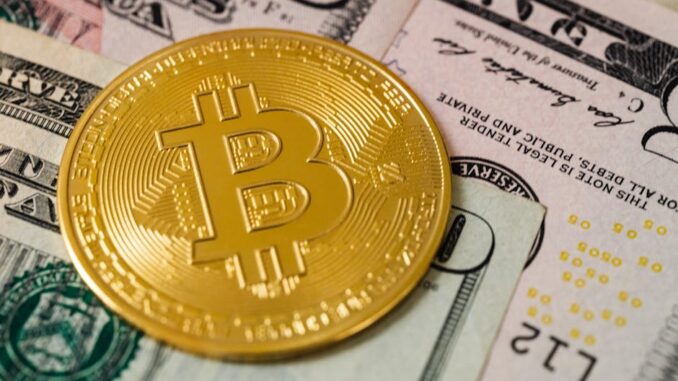
Native Cryptocurrencies (Payment Tokens): These are the foundational cryptoassets, primarily designed to function as a medium of exchange, a unit of account, and a store of value within their respective blockchain networks. Bitcoin (BTC) is the quintessential example, characterized by its fixed supply (21 million units), deflationary monetary policy driven by halving events, and its robust Proof-of-Work consensus mechanism. Other examples include Litecoin (LTC) and Bitcoin Cash (BCH). Their primary utility often revolves around facilitating transactions and serving as collateral for other financial activities within the crypto ecosystem. They are often considered commodities due to their fungible nature and direct utility as a medium of exchange.
-
Utility Tokens: These tokens grant holders access to a specific product, service, or feature within a particular decentralized application (dApp), platform, or ecosystem. They are not primarily designed as investment vehicles but rather as internal currencies or access keys that facilitate the functioning of a decentralized network. Examples include basic access tokens for software services, governance tokens that confer voting rights on protocol changes (e.g., UNI for Uniswap, AAVE for Aave), or gas tokens used to pay for transaction fees on a blockchain (e.g., Ether, though Ether also functions as a native cryptocurrency). Their value is intrinsically linked to the demand for and utility of the underlying platform or service. A key differentiation from security tokens is their lack of entitlement to dividends, profit shares, or ownership stakes in an enterprise.
-
Security Tokens: Representing ownership or a beneficial interest in an external, often real-world, asset or enterprise, security tokens are subject to traditional securities regulations. These tokens derive their value from an underlying asset, which could be anything from real estate, equities, bonds, revenue shares, or intellectual property. The process of ‘tokenization’ allows for the fractional ownership of high-value assets, potentially increasing liquidity and accessibility for investors. For instance, a token representing a share in a company might entitle holders to dividends or voting rights, mirroring traditional stock ownership. The legal classification often hinges on frameworks like the Howey Test in the United States, which determines if an asset constitutes an ‘investment contract.’ Security tokens offer benefits such as immutable record-keeping, automated compliance through smart contracts, and global accessibility, but they come with stringent regulatory obligations.
-
Stablecoins: Engineered to mitigate the extreme price volatility characteristic of most cryptocurrencies, stablecoins aim to maintain a stable value relative to a specified asset, typically a fiat currency (e.g., USD, EUR), a basket of fiat currencies, or other commodities like gold. Their primary utility lies in enabling efficient trading, remittances, and lending within the crypto ecosystem without exposure to price swings. They are broadly categorized based on their collateralization mechanisms:
- Fiat-backed Stablecoins: Fully backed by reserves of fiat currency held in traditional bank accounts, usually on a 1:1 basis (e.g., USDT, USDC). These require regular audits and transparency regarding their reserves, which can be a point of contention and risk if not properly managed.
- Crypto-backed Stablecoins: Collateralized by other cryptocurrencies, often in an over-collateralized manner to absorb price fluctuations of the underlying crypto collateral (e.g., MakerDAO’s DAI). These are more decentralized but carry liquidation risks if the collateral falls below a certain threshold.
- Algorithmic Stablecoins: Attempt to maintain their peg through automated smart contract mechanisms that adjust supply and demand, often involving a secondary, volatile cryptocurrency as a rebalancing mechanism (e.g., the infamous TerraUSD/LUNA system prior to its collapse). These are the most decentralized but have proven to be highly fragile and susceptible to ‘death spirals’ during periods of extreme market stress.
-
Non-Fungible Tokens (NFTs): Unlike cryptocurrencies or stablecoins, NFTs are unique digital assets that represent verifiable ownership or proof of authenticity of a specific item, whether digital or physical. The term ‘non-fungible’ implies that each NFT is distinct and cannot be replaced by another identical item; it is one-of-a-kind. NFTs utilize blockchain standards, predominantly ERC-721 and ERC-1155 on the Ethereum blockchain, to ensure uniqueness and verifiable provenance. Their applications span a wide array of domains:
- Digital Art and Collectibles: Representing ownership of unique digital artworks (e.g., CryptoPunks, Bored Ape Yacht Club), music, videos, and GIFs.
- Gaming: In-game assets, virtual land, characters, and items that players can truly own and trade.
- Ticketing: Digital tickets for events that prevent counterfeiting.
- Identity and Certificates: Digital passports, academic degrees, or professional licenses.
- Tokenized Real-World Assets (RWAs): Beyond security tokens, NFTs can represent ownership of physical items like real estate, luxury goods, or intellectual property rights, offering new avenues for fractional ownership and transfer. The economic implications of NFTs are vast, creating new creator economies and transforming traditional industries, but they also attract speculation and concerns about intellectual property rights and market bubbles.
2.2 Blockchain Technology
At the foundational core of virtually all cryptoassets lies blockchain technology—a revolutionary decentralized ledger system that records all transactions across a distributed network of computers. This technology is a specific type of Distributed Ledger Technology (DLT) that organizes data into ‘blocks,’ which are then cryptographically linked in a sequential, immutable chain. Each block contains a timestamp and a hash of the previous block, creating a robust, tamper-proof record.
Key components and concepts of blockchain technology include:
-
Distributed Ledger Technology (DLT): A decentralized database managed by multiple participants, eliminating the need for a central authority. Every participant (node) maintains a copy of the ledger, and updates are synchronized across the network.
-
Cryptographic Hashing: Each block is linked to the previous one using a cryptographic hash, creating a digital fingerprint. Any attempt to alter a past transaction would change its hash, breaking the chain and immediately signaling tampering. This ensures data integrity and immutability.
-
Merkle Trees: Within each block, individual transactions are grouped and summarized into a ‘Merkle tree.’ This data structure allows for efficient and secure verification of transactions within the block without needing to download the entire block, contributing to the chain’s overall security and efficiency.
-
Consensus Mechanisms: These are algorithms that enable all nodes in a distributed network to agree on the current state of the ledger and validate new transactions. The most prevalent mechanisms are:
- Proof-of-Work (PoW): Nodes (miners) compete to solve a complex computational puzzle to validate a block and add it to the chain. The first to solve it earns a reward. PoW, as used by Bitcoin, provides strong security against attacks but is energy-intensive and has scalability limitations.
- Proof-of-Stake (PoS): Nodes (validators) are chosen to validate blocks based on the amount of cryptocurrency they ‘stake’ (lock up) as collateral. PoS is significantly more energy-efficient and can offer higher transaction throughput, as seen with Ethereum’s transition to PoS (Eth2).
- Delegated Proof-of-Stake (DPoS): A variant where token holders elect a smaller number of delegates to validate transactions, offering higher transaction speeds but potentially greater centralization.
-
Immutability and Transparency: Once a transaction is recorded in a block and added to the chain, it cannot be altered or deleted. This immutability ensures data integrity. Concurrently, the ledger is transparent, meaning all participants can view all transactions (though often pseudonymously), enhancing trust and accountability.
-
Smart Contracts: These are self-executing contracts with the terms of the agreement directly written into lines of code. They run on a blockchain and automatically execute when predefined conditions are met, eliminating the need for intermediaries. Smart contracts are Turing-complete on platforms like Ethereum, enabling complex, automated functionalities for decentralized finance (DeFi), supply chain management, voting systems, and more. While powerful, smart contracts are susceptible to coding bugs and exploits, as famously demonstrated by the 2016 DAO hack.
-
Scalability Trilemma: Blockchain technology faces a fundamental trade-off between decentralization, security, and scalability. It is challenging to achieve all three simultaneously. Solutions to enhance scalability while maintaining decentralization and security include:
- Layer-2 Protocols: Built on top of existing blockchains (e.g., Lightning Network for Bitcoin, optimistic rollups and ZK-rollups for Ethereum) to process transactions off-chain, then periodically settle them on the main chain.
- Sharding: Dividing the blockchain into smaller, more manageable segments (shards) that can process transactions in parallel.
- Sidechains: Independent blockchains that run parallel to a main chain and can communicate with it.
-
Interoperability: The ability of different blockchain networks to communicate and exchange assets or data is a critical area of development. Solutions like cross-chain bridges and interoperability protocols aim to break down the ‘walled gardens’ of individual blockchains, enabling a more interconnected digital asset landscape.
Many thanks to our sponsor Panxora who helped us prepare this research report.
3. Market Characteristics
3.1 Market Dynamics
The cryptoasset market is notoriously characterized by extreme volatility, often exhibiting rapid and substantial price swings that can defy traditional financial market logic. This volatility is influenced by a complex interplay of factors, often leading to pronounced market cycles of boom and bust:
-
Market Sentiment and Speculation: News, social media trends, and investor psychology play an outsized role. ‘Fear of Missing Out’ (FOMO) during bull runs and ‘Fear, Uncertainty, and Doubt’ (FUD) during downturns can trigger cascading buying or selling frenzies.
-
Regulatory News and Developments: Announcements of new regulations, bans, or legal clarifications from major jurisdictions can instantly shift market sentiment. Positive regulatory signals (e.g., establishment of clear frameworks) often lead to price appreciation, while perceived crackdowns induce sell-offs.
-
Technological Advancements and Ecosystem Growth: Major protocol upgrades (e.g., Ethereum’s Merge), the launch of new decentralized applications (dApps), or breakthroughs in blockchain technology can significantly boost confidence and demand for associated tokens. Conversely, security breaches or fundamental technical issues can erode trust.
-
Macroeconomic Trends: While initially often decoupled, the crypto market has shown increasing correlation with traditional financial markets, particularly during periods of macroeconomic uncertainty. Factors such as inflation rates, interest rate decisions by central banks, and global economic outlooks can influence investor appetite for riskier assets like cryptoassets.
-
Geopolitical Events: Major global events, conflicts, or political instability can drive demand for decentralized, censorship-resistant assets, or, conversely, lead to broad risk-off sentiment that impacts all markets.
-
Institutional Participation: The growing involvement of institutional investors, hedge funds, and corporations, alongside the development of regulated investment products (e.g., Bitcoin ETFs), introduces larger capital flows but also increases the market’s sensitivity to institutional investment strategies and risk management.
-
Supply and Demand Economics: For assets with fixed or predictable supplies (like Bitcoin’s halving events), changes in demand can have a magnified effect on price. Demand is driven by adoption for utility, investment purposes, and speculative interest.
These dynamics create both immense opportunities for capital gains and significant risks of substantial losses, making the crypto market a high-stakes environment.
3.2 Liquidity and Accessibility
Liquidity in the cryptoasset market refers to the ease with which an asset can be converted into cash without significantly affecting its market price. It is a critical factor for investors and market participants:
-
Major Cryptocurrencies vs. Altcoins: Major cryptocurrencies such as Bitcoin (BTC) and Ethereum (ETH) generally exhibit high liquidity, allowing for relatively swift execution of large trades with minimal price impact. This high liquidity is a result of their widespread adoption, extensive trading pairs, and deep order books across numerous exchanges. In contrast, smaller or newer tokens (altcoins) often suffer from lower liquidity, meaning large buy or sell orders can cause significant ‘slippage’ (the difference between the expected price of a trade and the price at which the trade is actually executed), making it difficult to enter or exit positions efficiently without moving the market price.
-
Centralized vs. Decentralized Exchanges:
- Centralized Exchanges (CEXs): Platforms like Binance, Coinbase, and Kraken utilize traditional order book models, providing high liquidity for popular trading pairs due to their large user bases and aggregated trading volume. However, they introduce counterparty risk and require users to cede control of their private keys.
- Decentralized Exchanges (DEXs): Platforms like Uniswap and Curve operate using Automated Market Makers (AMMs), which rely on liquidity pools rather than order books. While offering greater autonomy and censorship resistance, DEXs can experience lower liquidity for less popular pairs and may be subject to ‘impermanent loss’ for liquidity providers.
-
Market Depth and Bid-Ask Spreads: A liquid market is characterized by significant market depth, meaning there are ample buy and sell orders at various price points close to the current market price. This results in tight bid-ask spreads, reducing transaction costs. Illiquid markets have shallow depth and wide spreads, leading to higher effective transaction costs.
-
Accessibility: The crypto market has become increasingly accessible globally, particularly for retail investors, through user-friendly exchanges and mobile applications. However, significant barriers remain:
- Technical Knowledge: Navigating wallets, private keys, blockchain explorers, and decentralized applications still requires a degree of technical understanding.
- Regulatory Restrictions: Certain jurisdictions impose strict limitations or outright bans on crypto trading, restricting access for their citizens.
- Know Your Customer (KYC) and Anti-Money Laundering (AML) Requirements: While essential for combating illicit finance, these regulations can create hurdles for users in developing nations or those without traditional identification documents.
- Financial Infrastructure: Access to traditional banking services is often a prerequisite for fiat on-ramps and off-ramps to crypto platforms, posing a challenge for the unbanked or underbanked.
3.3 Market Manipulation and Fraud
The relatively nascent, often unregulated, and pseudonymous nature of the cryptoasset market has, unfortunately, rendered it particularly susceptible to various forms of manipulation and outright fraudulent activities. These practices undermine market integrity, distort prices, and lead to significant investor losses:
-
Market Manipulation Tactics:
- Pump-and-Dump Schemes: Coordinated efforts, often orchestrated through social media channels (e.g., Telegram, Discord), to artificially inflate the price of a low-liquidity token through concerted buying, followed by a rapid sell-off by the orchestrators, leaving unsuspecting investors with worthless assets.
- Spoofing and Wash Trading: Spoofing involves placing large, non-bonafide orders (buy or sell) with the intent to cancel them before execution, creating a false impression of demand or supply to trick other traders. Wash trading involves an investor simultaneously buying and selling the same asset to create artificial trading volume and activity, often to entice legitimate traders or inflate perceived liquidity.
- Insider Trading: Individuals with privileged information (e.g., about an upcoming exchange listing, partnership, or protocol upgrade) trade on this non-public information to gain an unfair advantage. This is difficult to regulate effectively in a decentralized, opaque market.
- Front-Running / Maximal Extractable Value (MEV): In blockchain environments, particularly Ethereum, validators or miners can observe pending transactions in the mempool and reorder, censor, or insert their own transactions ahead of others to profit from price differences. This is especially prevalent in decentralized finance (DeFi).
-
Fraudulent Activities:
- Ponzi and Pyramid Schemes: These schemes promise high returns to early investors from funds contributed by subsequent investors, rather than from legitimate profits. Classic examples in crypto include BitConnect and numerous other projects that collapsed after attracting substantial capital.
- Exit Scams (Rug Pulls): Common in the DeFi and NFT spaces, project developers launch a new token or collection, generate hype, collect investor funds (often in exchange for tokens or NFTs), and then suddenly abandon the project, draining the liquidity pools or selling off their holdings, leaving investors with illiquid or worthless assets.
- Phishing and Malware Attacks: Malicious actors attempt to trick users into revealing their private keys, seed phrases, or login credentials through fake websites, emails, or software. Malware can also be used to steal crypto from wallets or exchanges.
- Illicit Use Cases: While often exaggerated, cryptoassets have been used for money laundering, terrorist financing, and purchasing illegal goods/services on darknet markets due to their pseudonymous nature and cross-border transfer capabilities. However, blockchain analytics firms are increasingly adept at tracing these transactions, providing tools for law enforcement.
The absence of robust, globally harmonized regulatory oversight and enforcement mechanisms has historically amplified these risks, underscoring the urgent need for comprehensive frameworks to protect investors and maintain market integrity.
Many thanks to our sponsor Panxora who helped us prepare this research report.
4. Risks and Opportunities
Cryptoassets present a complex and multifaceted risk-reward profile, simultaneously offering groundbreaking opportunities and posing significant challenges to investors, financial systems, and regulators.
4.1 Risks
-
Regulatory Uncertainty and Inconsistency: The evolving and often fragmented regulatory landscape poses a paramount challenge. Different jurisdictions classify and regulate cryptoassets inconsistently—some as commodities, others as securities, and still others as property or a distinct asset class. This patchwork approach creates compliance complexities for cryptoasset businesses operating globally, can stifle innovation in regions with restrictive policies, and makes it difficult for investors to ascertain the legal status and protections associated with their holdings. The potential for sudden changes in regulation or outright bans in certain countries introduces considerable uncertainty and market volatility. The lack of international consensus on fundamental definitions and supervisory approaches leads to ‘jurisdiction shopping’ and makes effective global oversight challenging.
-
Security Vulnerabilities: Despite the inherent cryptographic security of blockchain technology itself, cryptoassets are not immune to cyberattacks and security breaches, particularly at points of centralization or user interaction:
- Exchange Hacks and Platform Exploits: Centralized exchanges, which hold large amounts of user funds, are attractive targets for hackers. Historically, major incidents like the Mt. Gox hack (2014) and numerous others have resulted in billions of dollars in losses. More recently, the collapse of FTX (2022) highlighted risks associated with poor internal controls and mismanagement, acting as a cautionary tale of centralized custodian failures, even if not a direct hack.
- Wallet Security: Individual users face risks associated with managing their private keys. Loss of keys, phishing scams, malware, or hardware wallet vulnerabilities can lead to irreversible loss of funds. The ‘not your keys, not your coin’ adage underscores the importance of self-custody for advanced users, but this comes with its own responsibilities and risks.
- Smart Contract Bugs and DeFi Exploits: The immutable nature of smart contracts means that once deployed, any vulnerabilities or bugs in their code can be exploited by malicious actors, leading to significant financial losses. Flash loan attacks, re-entrancy bugs, and oracle manipulation have been common vectors for exploits in decentralized finance (DeFi) protocols, resulting in hundreds of millions of dollars in losses. Thorough auditing and formal verification of smart contract code are crucial but do not guarantee complete security.
- Blockchain-level Attacks: While rare for highly decentralized chains, smaller Proof-of-Work blockchains remain susceptible to 51% attacks, where a single entity gains control of more than half of the network’s mining power, allowing them to reverse transactions or double-spend coins.
-
Market Volatility: The extreme price volatility of cryptoassets remains a defining characteristic. This can lead to substantial financial gains but also equally significant, if not catastrophic, losses. Factors contributing to this volatility include speculative trading, market sentiment, regulatory news, and the relatively shallow liquidity of many altcoins. This makes cryptoassets generally unsuitable for risk-averse investors and necessitates careful risk management strategies for all participants. The historical performance of cryptoassets offers no guarantee of future returns, and ‘black swan’ events (unforeseeable, high-impact events) are a recurring feature of the market.
-
Environmental Concerns: The energy consumption associated with Proof-of-Work (PoW) consensus mechanisms, particularly Bitcoin mining, has raised significant environmental concerns. The computational process requires vast amounts of electricity, leading to a substantial carbon footprint comparable to that of small nations. While the industry is increasingly moving towards renewable energy sources and more energy-efficient consensus mechanisms like Proof-of-Stake (PoS) (e.g., Ethereum’s transition), the environmental impact remains a notable risk and a focus of regulatory and public scrutiny.
-
Consumer Protection Deficiencies: In many jurisdictions, traditional consumer protection laws and investor compensation schemes do not fully extend to cryptoassets. This means that in cases of fraud, exchange collapse, or theft, investors may have limited recourse or avenues for recovery of their funds. The lack of standardized disclosure requirements, suitability assessments, and clear complaint resolution mechanisms further exacerbates this risk.
-
Systemic Risk: As the cryptoasset market grows in size and interconnectivity with traditional finance, concerns about potential systemic risk have emerged. A major collapse in the crypto market, particularly involving stablecoins or highly interconnected DeFi protocols, could theoretically spill over into traditional financial markets, especially if major financial institutions have significant direct or indirect exposure.
4.2 Opportunities
-
Financial Inclusion and Empowerment: Cryptoassets, particularly stablecoins and low-cost payment tokens, have the potential to significantly enhance financial inclusion for the estimated 1.7 billion unbanked or underbanked adults globally. They can provide access to essential financial services such as:
- Remittances: Facilitating faster, cheaper, and more transparent cross-border payments, directly benefiting migrant workers and their families by reducing intermediary fees.
- Access to Credit and Lending: Decentralized finance (DeFi) platforms can offer lending and borrowing opportunities without the need for traditional credit scores or extensive documentation, potentially unlocking capital for individuals and small businesses in developing economies.
- Savings and Investment: Providing alternative avenues for saving and investing, especially in regions with unstable local currencies or limited access to traditional banking services.
- Digital Identity: Blockchain-based digital identity solutions can empower individuals with verifiable, self-sovereign identities, improving access to services and mitigating fraud.
-
Innovation in Financial Services (Decentralized Finance – DeFi): Blockchain technology is a powerful catalyst for innovation in financial services, most notably through the emergence of Decentralized Finance (DeFi). DeFi aims to recreate traditional financial instruments and services (lending, borrowing, trading, insurance) using smart contracts on public blockchains, making them open, permissionless, transparent, and composable. Key areas of innovation include:
- Decentralized Exchanges (DEXs): Enabling peer-to-peer trading without central intermediaries.
- Lending and Borrowing Protocols: Allowing users to lend out their cryptoassets to earn interest or borrow against their collateral.
- Stablecoin Issuance: Providing volatility-hedged digital currencies for various applications.
- Yield Farming and Staking: Offering new ways for users to earn returns on their crypto holdings.
- Automated Market Makers (AMMs): Revolutionary liquidity provision mechanisms.
DeFi promises greater efficiency, transparency, and accessibility, potentially disintermediating traditional financial institutions and reducing costs.
-
Portfolio Diversification: For sophisticated investors with a high-risk tolerance, cryptoassets can offer an alternative asset class that historically has shown a low correlation with traditional assets like stocks and bonds. While this correlation has increased in recent years during periods of macroeconomic stress, cryptoassets can still contribute to portfolio diversification and potentially enhance risk-adjusted returns when integrated strategically into a broader investment strategy. Their unique market drivers and independent cycles can act as a hedge or provide uncorrelated growth opportunities, though this benefit must be weighed against their extreme volatility.
-
Enhanced Efficiency and Transparency Across Industries: Beyond finance, blockchain technology and cryptoassets offer transformative potential across numerous sectors:
- Supply Chain Management: Providing immutable and transparent tracking of goods, improving traceability, reducing fraud, and enhancing efficiency.
- Intellectual Property Rights: Creating verifiable records of ownership for digital content, facilitating royalty distribution, and combating piracy.
- Healthcare: Securely managing and sharing patient records while maintaining privacy.
- Voting Systems: Enhancing transparency and security in electoral processes.
- Tokenized Real-World Assets (RWAs): Enabling fractional ownership and greater liquidity for illiquid assets like real estate, art, and private equity, democratizing access to investment opportunities previously reserved for institutional investors.
-
Programmable Money and CBDCs: The underlying technology of cryptoassets also paves the way for the development of programmable money, including Central Bank Digital Currencies (CBDCs). These could offer more efficient payment systems, facilitate targeted fiscal policies, and enhance financial stability, representing a significant modernization of monetary infrastructure.
Many thanks to our sponsor Panxora who helped us prepare this research report.
5. Regulatory Considerations
5.1 Global Regulatory Landscape
The regulatory landscape for cryptoassets globally is characterized by significant divergence, reflecting varying national priorities, risk perceptions, and levels of technological adoption. This fragmented approach creates challenges for market participants and underscores the need for greater international cooperation.
-
Divergent Approaches:
- Prohibitory Regimes: Some countries, such as China, have implemented outright bans on cryptocurrency trading, mining, and initial coin offerings (ICOs), citing concerns about financial stability, capital controls, and illicit activities. Other nations, like Egypt and Qatar, also maintain restrictive stances.
- Ambiguous or ‘Wait-and-See’ Approaches: Many jurisdictions, particularly in developing economies, have adopted a cautious approach, often lacking specific legislation and instead relying on existing laws or issuing general warnings about the risks of cryptoassets. This ambiguity can hinder innovation and leave investors unprotected.
- Innovation-Friendly Jurisdictions: Countries like Switzerland (often referred to as ‘Crypto Valley’), Singapore, and the United Arab Emirates (UAE) have actively sought to attract crypto businesses by developing clear and supportive regulatory frameworks, often through bespoke licensing regimes for digital asset service providers. These jurisdictions aim to position themselves as global hubs for blockchain innovation.
- Integrated or Comprehensive Frameworks: A growing number of major economies are moving towards integrating cryptoassets into their existing financial regulatory frameworks, or developing comprehensive, bespoke legislation. The European Union’s Markets in Crypto-Assets (MiCA) regulation stands as a landmark example. Enacted to provide legal certainty for cryptoasset issuers and service providers across all EU member states, MiCA covers a broad scope including stablecoins, other cryptoassets, and various cryptoasset services (e.g., custody, exchange operations, advice). It establishes requirements for authorization, operational resilience, consumer protection, and market integrity, aiming to foster innovation while mitigating risks. Similarly, various legislative proposals in the United States, such as the Lummis-Gillibrand Responsible Financial Innovation Act (though not yet passed), aim to establish a clear regulatory taxonomy and oversight for the sector.
-
Challenges of Fragmentation: The lack of international consensus on fundamental definitions (e.g., what constitutes a security vs. a commodity) and appropriate regulatory responses leads to several challenges:
- Regulatory Arbitrage: Businesses may choose to operate in jurisdictions with more favorable or less stringent regulations, potentially undermining consumer protection and market integrity elsewhere.
- Cross-Border Enforcement Difficulties: Tracing and prosecuting illicit activities across multiple jurisdictions with differing legal frameworks is complex and resource-intensive.
- Hindrance to Institutional Adoption: Large financial institutions often require clear, harmonized global standards before committing significant capital and resources to the crypto market.
- Need for International Cooperation: Organizations like the Financial Stability Board (FSB), the Basel Committee on Banking Supervision (BCBS), and the International Organization of Securities Commissions (IOSCO) are actively working to develop global standards and foster cooperation among national regulators to address these issues.
5.2 UK’s Regulatory Approach
The United Kingdom has been progressively developing a robust and proportionate regulatory framework for cryptoassets, aiming to balance the imperative of fostering innovation and securing its position as a global leader in digital assets with the equally critical need for strong consumer protection and financial stability. The UK’s approach has evolved from an initial period of assessment to a more proactive and integrated strategy.
-
Historical Context and Policy Objectives: Initially, the UK’s regulatory stance was cautious, with the Financial Conduct Authority (FCA) focusing on anti-money laundering (AML) and counter-terrorist financing (CTF) requirements for cryptoasset businesses. However, the government’s strategic vision has crystallized to embrace the potential of cryptoassets and blockchain technology, particularly in areas like decentralized finance (DeFi) and tokenization of real-world assets. The overarching policy objective is clear: to establish the UK as a competitive and safe hub for cryptoasset activity, ensuring that innovation can thrive responsibly. As highlighted by HM Treasury in December 2025, the government is committed to introducing ‘firm and proportionate rules for cryptoassets, aiming to make the UK a global destination for digital assets and attract more investment’ [gov.uk, 2025].
-
Key Legislative Milestones and Proposed Framework:
- Financial Services and Markets Act 2023 (FSMA 2023): This foundational legislation provides the UK Treasury with the necessary powers to bring cryptoassets into the scope of financial services regulation, laying the groundwork for future specific rules.
- HM Treasury Consultations: The government has engaged in extensive consultations to gather industry feedback and shape its regulatory approach. These consultations have explored a wide range of issues, including a comprehensive regulatory framework for cryptoassets, the regulatory treatment of stablecoins, and the broader implications for financial market infrastructure.
- Expansion of ‘Regulated Activities’ under FSMA: A pivotal aspect of the proposed legislation, outlined in draft form in April 2025, is the expansion of the ‘regulated activities’ perimeter under the Financial Services and Markets Act 2000 (FSMA) to explicitly include certain cryptoasset activities. This means that firms engaging in these activities will be subject to similar oversight and requirements as traditional financial firms [skadden.com, 2025].
- Targeted Cryptoassets and Activities: The framework targets ‘qualifying cryptoassets,’ which typically include widely traded, fungible cryptoassets like Bitcoin and Ether, but generally exclude non-fungible tokens (NFTs) that are genuinely unique and not used for payment or investment purposes. Specific activities that will require authorization from the UK Financial Conduct Authority (FCA) include:
- The issuance of UK stablecoins.
- Operating a cryptoasset exchange platform.
- Dealing in ‘qualifying cryptoassets’ (both as principal and agent).
- Arranging transactions in ‘qualifying cryptoassets’.
- Providing custody arrangements for cryptoassets.
- Advising on cryptoassets or managing cryptoasset portfolios.
- Lending and borrowing of cryptoassets.
- Stablecoins as a Priority: The UK government has prioritized the regulation of stablecoins, recognizing their potential role in payments and financial stability. The proposed rules will require stablecoin issuers and service providers to meet stringent prudential standards, maintain robust reserve requirements (ensuring a 1:1 backing with high-quality, liquid assets), and provide clear redemption rights for holders. The Bank of England will play a crucial role in overseeing systematically important stablecoins and related service providers to mitigate risks to financial stability.
- Consumer Protection Measures: A core pillar of the UK’s approach is enhancing consumer protection. The new rules aim to ensure that cryptoasset promotions are fair, clear, and not misleading; that firms conduct appropriate due diligence; and that customers have access to proper disclosures about the risks involved. Furthermore, firms will be required to meet operational resilience standards and potentially contribute to investor compensation schemes, bringing them closer to the protections offered in traditional finance [gov.uk, 2025].
- Market Integrity: The legislation will also introduce measures to combat market abuse, including rules against insider trading, market manipulation, and other deceptive practices, mirroring the safeguards found in traditional securities markets.
- Timeline: The legislation is anticipated to come into force from 2027, following further detailed consultations and the development of specific rules by the FCA and Bank of England. This phased approach allows for careful implementation and adaptation as the market evolves [gov.uk, 2025].
- AML/CTF and the ‘Travel Rule’: The UK has already implemented robust Anti-Money Laundering and Counter-Terrorist Financing (AML/CTF) regulations for cryptoasset businesses, requiring them to register with the FCA and comply with the ‘Travel Rule,’ which mandates that financial institutions must transmit certain information about the sender and receiver of funds during transactions.
-
The Financial Conduct Authority (FCA): As the primary regulator for financial services in the UK, the FCA will play a central role in authorizing and supervising cryptoasset firms, enforcing the new rules, and protecting consumers. Its remit will expand significantly to cover the broad spectrum of cryptoasset activities brought under the regulatory perimeter.
5.3 Implications for Stakeholders
The UK’s evolving regulatory framework carries profound implications for various stakeholders:
-
For Cryptoasset Firms: The proposed regulations will introduce greater legal clarity and certainty, which can foster innovation by providing a clear ‘rulebook’ for operation. However, firms will face increased compliance burdens, necessitating investment in legal, regulatory, and technological infrastructure. This may lead to consolidation in the industry, as smaller firms struggle to meet new requirements. On the positive side, regulatory clarity is expected to attract more institutional capital and traditional financial players into the UK crypto market, enhancing its maturity and credibility.
-
For Investors and Consumers: The primary benefit will be enhanced protection against fraud, market manipulation, and the risks associated with unregulated platforms. Investors can expect clearer disclosures, greater transparency from firms, and potentially recourse in cases of misconduct. This increased confidence may lead to broader adoption by a more diverse investor base. However, increased regulation may also translate into higher operational costs for firms, which could be passed on to consumers through fees.
-
For Traditional Financial Institutions: The integration of cryptoassets into the existing regulatory framework will facilitate greater participation by traditional banks and investment firms. It will create opportunities for new product offerings (e.g., regulated crypto funds, tokenized assets) and partnerships with native crypto companies. However, it also introduces competition and requires these institutions to develop expertise in a novel asset class and manage associated risks.
-
For Policymakers and Regulators: The UK’s proactive stance positions it as a leader in cryptoasset regulation. However, regulators will face the ongoing challenge of staying abreast of rapid technological advancements, adapting rules as the market evolves, and collaborating internationally to address cross-border risks effectively. The goal is to strike a delicate balance between stifling innovation and allowing unchecked risk.
Stakeholders across the spectrum are strongly encouraged to actively monitor the evolving regulatory landscape, engage in ongoing consultations, and ensure proactive compliance to capitalize on the emerging opportunities while rigorously mitigating associated risks.
Many thanks to our sponsor Panxora who helped us prepare this research report.
6. Conclusion
Cryptoassets represent a profound and transformative force in the global financial sector, fundamentally altering paradigms of value, ownership, and exchange. From their origins as experimental digital currencies, they have burgeoned into a diverse ecosystem encompassing utility tokens, security tokens, stablecoins, and unique non-fungible assets, all underpinned by the revolutionary distributed ledger technology of blockchain. This evolution has unlocked new avenues for investment, fostered unparalleled innovation in financial services—particularly through decentralized finance—and holds immense potential for advancing financial inclusion globally.
However, the promises of cryptoassets are invariably coupled with substantial risks. The inherent market volatility, pervasive security vulnerabilities, the omnipresent threat of market manipulation and fraud, and the complex environmental footprint of certain consensus mechanisms necessitate careful consideration. Paramount among these risks is the global regulatory uncertainty, characterized by a fragmented and often inconsistent patchwork of national approaches, which complicates compliance, hinders institutional adoption, and leaves consumers exposed.
In this dynamic environment, the United Kingdom’s proactive and comprehensive approach to integrating cryptoassets into its established financial regulatory framework stands out. By systematically expanding the scope of regulated activities under the Financial Services and Markets Act, prioritizing the oversight of stablecoins, and enhancing consumer protection, the UK government has articulated a clear commitment to fostering a responsible and innovative digital asset ecosystem. This strategy aims to position the UK as a global hub for digital assets, attracting investment and talent, while ensuring market integrity and safeguarding investors. The anticipated implementation of robust legislation from 2027 will provide much-needed clarity for cryptoasset firms and greater confidence for consumers.
As the cryptoasset landscape continues its rapid evolution, ongoing and adaptive dialogue among policymakers, industry participants, technologists, and consumers will be indispensable. The ultimate success of harnessing the full transformative potential of cryptoassets, while simultaneously mitigating their inherent risks, hinges upon the development of intelligent, internationally coordinated, and technologically agile regulatory frameworks. This research paper underscores that a deep, nuanced understanding of cryptoassets, encompassing their technological underpinnings, market dynamics, and regulatory implications, is not merely beneficial but essential for navigating the complexities of the 21st-century financial frontier.
Many thanks to our sponsor Panxora who helped us prepare this research report.
References
- CMS. (2025). ‘Expert Guide on Crypto Regulation in United Kingdom’. cms.law
- Financial Conduct Authority. (n.d.). ‘About the FCA’. en.wikipedia.org
- Global Legal Insights. (2025). ‘Blockchain & Cryptocurrency Laws 2026 | United Kingdom’. globallegalinsights.com
- HM Treasury, Lucy Rigby KC MP, and The Rt Hon Rachel Reeves MP. (2025). ‘New crypto rules to unlock growth and protect customers’. GOV.UK. gov.uk
- House of Lords Library. (2023). ‘Cryptoassets: What does the future hold?’. lordslibrary.parliament.uk
- Skadden, Arps, Slate, Meagher & Flom LLP. (2024). ‘Crypto Update: UK Government Outlines Its Approach to Digital Asset Regulation’. skadden.com
- Skadden, Arps, Slate, Meagher & Flom LLP. (2025). ‘HM Treasury Publishes Draft Legislation Establishing Financial Services Regulatory Regime for Cryptoassets in the UK’. skadden.com
- Skadden, Arps, Slate, Meagher & Flom LLP. (2025). ‘UK and EU H1 Digital Assets Regulatory Update’. skadden.com
- Support.blockchain.com. (2023). ‘Various Cryptoassets and Their Risks’. support.blockchain.com
- Wikipedia. (2025). ‘Asset tokenization’. en.wikipedia.org
- Wikipedia. (2025). ‘Cryptocurrency’. en.wikipedia.org
- Wikipedia. (2025). ‘Financial Conduct Authority’. en.wikipedia.org
- Wikipedia. (2025). ‘Tokenized real-world asset’. en.wikipedia.org
Be the first to comment