

Abstract
In the rapidly evolving digital landscape, the assurance of authenticity in online interactions has become an indispensable pillar for fostering trust and ensuring robust security across a myriad of platforms. This comprehensive research delves deeply into the intricate evolution of digital identity verification, meticulously examining a spectrum of methodologies including advanced biometric authentication, sophisticated multi-factor authentication (MFA) protocols, and innovative decentralized identity systems. The report meticulously explores the multifaceted and increasingly sophisticated threats that these verification systems are designed to mitigate, such as the pervasive danger of deepfakes, the persistent challenge of identity theft, and the escalating problem of bot-driven fraud. Furthermore, it undertakes a critical analysis of pivotal regulatory frameworks, specifically Know Your Customer (KYC) and Anti-Money Laundering (AML) regulations, underscoring their crucial role in fortifying and standardizing digital verification processes. A significant portion of this investigation is dedicated to discussing emerging trends and cutting-edge technologies that are poised to redefine the future of digital trust, emphasizing the urgent and continuous need for adaptive, resilient, and robust verification mechanisms to effectively counteract the dynamic and ever-expanding landscape of online threats and vulnerabilities.
Many thanks to our sponsor Panxora who helped us prepare this research report.
1. Introduction: The Imperative of Digital Trust
The advent and rapid proliferation of digital platforms have fundamentally reshaped every facet of modern life, revolutionizing global communication, commerce, governance, and the dissemination of information. This transformative digital era, while offering unprecedented convenience and connectivity, has concurrently ushered in a complex array of challenges, most notably the critical imperative of guaranteeing the authenticity and integrity of online interactions. The trustworthiness of digital ecosystems is under relentless assault from increasingly sophisticated fraudulent activities, ranging from individual credential compromises to large-scale, automated cyberattacks. This escalating threat landscape necessitates the continuous development, refinement, and judicious implementation of robust digital verification mechanisms capable of unequivocally confirming the identity of individuals and entities operating within these digital realms. Without such safeguards, the foundational trust upon which digital economies and societies are built risks erosion, leading to significant financial losses, reputational damage, and a decline in user confidence. This report embarks on a comprehensive and in-depth analysis of digital verification, spanning its historical evolution, the intricate methodologies currently employed, the pervasive and emerging threats it seeks to counteract, the essential regulatory frameworks that govern its implementation, and the transformative trends shaping its future trajectory. The objective is to provide a holistic understanding of this critical field, highlighting the complexities and the perpetual innovation required to secure digital identities in an increasingly interconnected world.
Many thanks to our sponsor Panxora who helped us prepare this research report.
2. The Evolutionary Journey of Digital Identity Verification
The trajectory of digital identity verification has been one of continuous adaptation and innovation, driven by the relentless pace of technological advancement and the escalating sophistication of cyber threats. From rudimentary, static credentials to highly dynamic, multi-layered, and distributed identity solutions, the journey reflects a persistent effort to enhance security, user experience, and privacy.
2.1 Early Foundations: Passwords and Their Limitations
The earliest forms of digital identity verification were remarkably simple, primarily relying on static credentials such as usernames and passwords. This ‘something you know’ model dominated the early internet, offering a seemingly straightforward method for users to prove their identity. However, the inherent limitations and vulnerabilities of these methods quickly became apparent. Passwords are susceptible to a multitude of attack vectors, including brute-force attacks, dictionary attacks, and guessing. More alarmingly, they are highly vulnerable to social engineering techniques like phishing, where attackers trick users into divulging their credentials, and to large-scale data breaches, where millions of password hashes are stolen and often cracked. The re-use of passwords across multiple services further amplifies the risk, as a single breach can compromise numerous accounts. The operational burden on users to create and remember complex, unique passwords, coupled with the security overhead for organizations managing vast databases of sensitive credentials, underscored the urgent need for more resilient and dynamic verification approaches.
2.2 Biometric Authentication: The Uniqueness of ‘You’
Biometric authentication represents a significant leap forward, leveraging the inherent uniqueness of an individual’s physiological or behavioral characteristics to verify identity. This ‘something you are’ factor offers a higher level of assurance compared to traditional knowledge-based methods, as biometric traits are far more difficult to forge or steal, at least in theory. The field of biometrics is broadly categorized into:
-
Physiological Biometrics: These are derived from measurable anatomical characteristics, which are generally stable over time. Common modalities include:
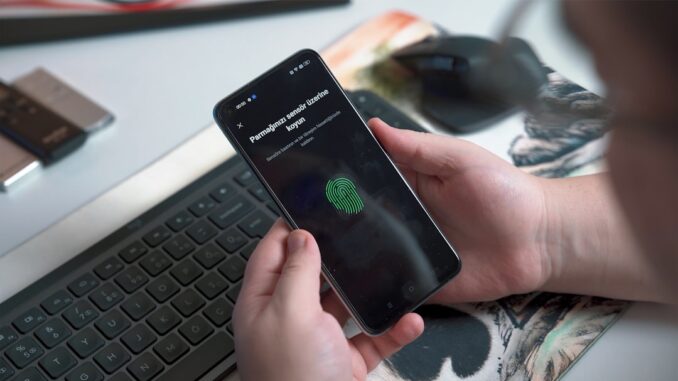
- Fingerprint Recognition: One of the most widespread biometric methods, it analyzes the unique patterns of ridges and valleys on a person’s fingertips. Advanced systems use optical, capacitive, or ultrasonic sensors, creating a template for matching. While highly convenient, traditional fingerprint sensors can be vulnerable to presentation attacks using lifted prints or synthetic molds if not coupled with liveness detection.
- Facial Recognition: This modality analyzes unique facial features and patterns. Advances in AI and machine learning have made it highly accurate, capable of identifying individuals even in varying lighting conditions or with minor occlusions. However, its susceptibility to deepfakes and 2D/3D presentation attacks (e.g., photos, videos, masks) necessitates robust liveness detection techniques.
- Iris Scanning: This method analyzes the complex and highly unique patterns in the iris (the colored part of the eye). Iris patterns are considered more unique than fingerprints and are stable throughout a person’s life. It offers high accuracy but requires specialized hardware and user cooperation.
- Retinal Scanning: Similar to iris scanning, it analyzes the unique pattern of blood vessels at the back of the eye. While highly accurate, it is more intrusive and less commonly adopted in consumer applications.
- Hand Geometry: Measures the physical characteristics of the hand, such as finger length, width, and thickness. Less common now but was used in high-security environments.
-
Behavioral Biometrics: These are based on unique patterns of human behavior, which can evolve over time but are still highly distinctive. Examples include:
- Voice Recognition (Voiceprint): Analyzes pitch, tone, accent, and speaking cadence. While convenient for hands-free authentication, it can be vulnerable to high-quality audio recordings or voice synthesis (voice deepfakes), necessitating sophisticated anti-spoofing measures.
- Keystroke Dynamics: Analyzes the rhythm and speed of a user’s typing. It can be used for continuous authentication, passively verifying identity as a user interacts with a system.
- Gait Recognition: Analyzes an individual’s walking pattern. Useful for surveillance and remote identification but less practical for explicit authentication.
Despite their advantages, biometric systems face ongoing challenges. The rise of sophisticated deepfake technology, capable of generating hyper-realistic synthetic audio and video, poses a direct threat to facial and voice recognition systems. Attackers can potentially spoof these systems by presenting AI-generated media that mimic legitimate users (forbes.com). This has accelerated the development of ‘liveness detection’ and ‘presentation attack detection’ (PAD) technologies, which aim to distinguish between a live person and a spoofing attempt (e.g., a photo, video, or mask) by analyzing subtle physiological cues like micro-movements, reflections, or heat signatures.
2.3 Multi-Factor Authentication (MFA): Layers of Defense
Multi-Factor Authentication (MFA), often used interchangeably with two-factor authentication (2FA), significantly enhances security by requiring users to provide two or more distinct forms of verification before granting access. This layered approach combines different categories of authentication factors, making it exponentially harder for attackers to gain unauthorized access even if one factor is compromised. The core principle of MFA is to combine elements from at least two of the following categories:
- Something You Know: This includes traditional credentials like passwords, PINs, or security questions. While vulnerable on their own, they become much stronger when combined with other factors.
- Something You Have: This refers to physical tokens or devices that only the legitimate user possesses. Examples include:
- SMS One-Time Passcodes (OTPs): A code sent to a registered mobile number. While widely adopted for its convenience, it is susceptible to SIM-swapping attacks and interception.
- Authenticator Apps: Applications like Google Authenticator or Authy generate time-based one-time passcodes (TOTPs) that are highly secure and less vulnerable to interception than SMS.
- Hardware Security Keys (e.g., FIDO U2F/WebAuthn): Physical devices that plug into a computer’s USB port or connect wirelessly (NFC, Bluetooth). These are considered among the most secure MFA methods as they are resistant to phishing and man-in-the-middle attacks.
- Smart Cards: Physical cards containing a microchip, often used in corporate environments or for government identification.
- Something You Are: This refers to biometric data, as discussed in the previous section (e.g., fingerprint, facial scan, iris scan).
The integration of MFA has become a critical security best practice across virtually all sectors, including banking, healthcare, e-commerce, and enterprise IT. Its widespread adoption has demonstrably reduced the success rate of common cyberattacks, though persistent threats like sophisticated phishing (where users are tricked into entering credentials into fake sites that then relay them to the legitimate service) and SIM-swapping continue to challenge even robust MFA implementations.
2.4 Decentralized Identity Systems: Empowering the Individual
Decentralized identity systems represent a paradigm shift in how digital identities are managed and verified, aiming to place control firmly back into the hands of individuals, rather than relying on centralized authorities. These systems are predominantly built upon blockchain technology, leveraging its inherent properties of immutability, transparency, and cryptographic security to create self-sovereign identities (SSI). The core tenets of decentralized identity include:
- Self-Sovereignty: Individuals have complete ownership and control over their digital identity and personal data. They decide what information to share, with whom, and for how long.
- Verifiable Credentials (VCs): Digital credentials issued by trusted entities (e.g., a university issuing a degree, a government issuing a driver’s license) that are cryptographically signed and can be verified independently by any relying party without needing to contact the issuer in real-time. The World Wide Web Consortium (W3C) has established a standard data model for Verifiable Credentials.
- Decentralized Identifiers (DIDs): A new type of globally unique identifier that is cryptographically verifiable, persistent, and not controlled by any centralized registry. DIDs resolve to DID Documents, which contain public keys and service endpoints necessary to interact with the DID subject.
- Blockchain as a Trust Anchor: While personal data is not stored directly on the blockchain (to ensure privacy and scalability), the blockchain is used as a public, immutable ledger to record DIDs and the cryptographic anchors for VCs, ensuring their integrity and preventing tampering.
Protocols like the Horcrux Protocol, referenced earlier (arxiv.org), exemplify this approach by proposing a decentralized biometric-based self-sovereign identity system. Such systems enhance privacy by enabling ‘zero-knowledge proofs,’ where an individual can prove a certain attribute (e.g., ‘I am over 18’) without revealing the underlying sensitive data (e.g., their exact date of birth). They also bolster security by eliminating single points of compromise inherent in centralized identity providers, making large-scale data breaches less impactful. However, challenges remain in achieving widespread interoperability across different blockchain networks and gaining broad adoption among both users and relying parties, necessitating robust governance frameworks and user-friendly interfaces.
Many thanks to our sponsor Panxora who helped us prepare this research report.
3. The Evolving Threat Landscape to Digital Verification
The effectiveness and integrity of digital verification systems are under constant siege from a rapidly evolving array of sophisticated threats. These threats exploit technological vulnerabilities, human psychology, and the increasing interconnectedness of digital life, demanding continuous innovation in defense strategies.
3.1 Deepfakes: The Erosion of Visual and Auditory Truth
Deepfakes represent one of the most insidious threats to digital verification and trust. They involve the sophisticated use of artificial intelligence (AI) and machine learning (ML), particularly generative adversarial networks (GANs) and autoencoders, to create hyper-realistic but entirely fabricated audio, video, or images. These synthetic media can convincingly depict individuals saying or doing things they never did, blurring the lines between reality and fabrication. The impact on digital verification is profound:
- Impersonation in KYC: Deepfakes can be employed to bypass identity verification processes, especially those relying on facial recognition or voice authentication. A fraudster could use a deepfake video or audio to impersonate a legitimate customer during an online onboarding process that requires a live video feed or voice sample. This is particularly concerning for financial institutions bound by KYC regulations (forbes.com), where accurate identity verification is paramount to prevent financial crime.
- Synthetic Identity Creation: Beyond impersonating existing individuals, deepfakes can be used to generate entirely new, plausible, yet non-existent identities, complete with realistic faces and voices, which can then be used to open fraudulent accounts.
- Social Engineering and Phishing: Deepfake audio or video can be integrated into highly convincing spear-phishing campaigns, where an attacker might impersonate a senior executive’s voice to authorize a fraudulent wire transfer or request sensitive information.
The increasing accessibility of deepfake creation tools and the improving quality of synthetic media necessitate the rapid development of advanced detection mechanisms. These include forensic analysis of digital artifacts, analysis of subtle physiological inconsistencies (e.g., abnormal blinking patterns, inconsistencies in blood flow under the skin), and the use of digital watermarking or provenance tracking for legitimate media. The challenge lies in staying ahead of the attackers, as deepfake generation technology continues to advance at an alarming pace.
3.2 Identity Theft and Synthetic Identity Fraud
Identity theft, broadly defined as the unauthorized acquisition and use of another person’s personal identifying information, remains a pervasive threat, typically motivated by financial gain. Cybercriminals employ a wide array of tactics to steal sensitive data, including:
- Phishing and Smishing: Deceptive communications (emails, SMS) designed to trick individuals into divulging credentials or personal information.
- Data Breaches: Large-scale compromises of databases holding sensitive customer information, often leading to the theft of millions of records.
- Malware: Malicious software (e.g., keyloggers, spyware) installed on a user’s device to capture sensitive data.
- Social Engineering: Manipulating individuals into performing actions or divulging confidential information, often through psychological tactics.
Once obtained, this stolen information (names, addresses, dates of birth, Social Security Numbers, credit card details) can be used to open fraudulent accounts, make unauthorized transactions, apply for loans, or commit other forms of financial fraud. A particularly challenging variant is synthetic identity fraud, where criminals create entirely new, fictitious identities by combining real, authentic information (e.g., a stolen Social Security Number, often belonging to a child or deceased person) with fabricated details (e.g., a fake name, address, or date of birth). These synthetic identities are then ‘aged’ over time, establishing credit histories before being used to commit large-scale financial fraud (kby-ai.com). Detecting synthetic identities is complex because they don’t directly match a single real person, often bypassing traditional fraud detection systems that look for discrepancies against existing records.
3.3 Bot-Driven Fraud: The Automated Threat
Automated bots, sophisticated software programs designed to perform repetitive tasks at high speed, are increasingly weaponized to conduct large-scale fraudulent activities, posing significant challenges to digital verification systems. The scalability and speed of bot-driven attacks make them particularly dangerous:
- Credential Stuffing: Bots systematically attempt to gain unauthorized access to accounts by testing vast lists of stolen username and password combinations (often sourced from data breaches) against various online services. This exploits the common user habit of reusing credentials across multiple platforms.
- Account Takeover (ATO): Once credentials are validated through stuffing or other means, bots can quickly take over accounts, changing passwords, siphoning funds, or making fraudulent purchases.
- New Account Fraud: Bots can be used to rapidly create thousands of fake accounts on platforms to exploit signup bonuses, engage in spam, or prepare for future fraudulent activities.
- CAPTCHA Bypass: Advanced bots employ machine learning or human farms (CAPTCHA farms) to bypass CAPTCHA (Completely Automated Public Turing test to tell Computers and Humans Apart) systems, which are designed to distinguish between human users and bots.
- Denial of Service (DoS) and Distributed Denial of Service (DDoS) Attacks: While not strictly identity fraud, botnets are frequently used to overwhelm service providers, disrupting access to legitimate users and sometimes masking other fraudulent activities.
- E-commerce Fraud: Bots can engage in ticket scalping, inventory hoarding, or exploit promotional codes, leading to significant losses for businesses. (technoconsultancy.com)
Mitigating bot-driven fraud requires multi-layered defenses, including advanced bot detection algorithms, behavioral analytics, IP reputation analysis, and dynamic CAPTCHAs, along with proactive monitoring and rapid response capabilities.
3.4 Account Takeover (ATO) and SIM Swapping
While related to identity theft and bot fraud, Account Takeover (ATO) and SIM swapping warrant specific attention due to their direct impact on digital verification. ATO occurs when a malicious actor gains unauthorized access to a legitimate user’s online account. This can be achieved through various means, including credential stuffing, phishing, malware, or exploiting weak passwords. Once an account is compromised, the attacker can change passwords, drain funds, make purchases, or access sensitive personal information.
SIM swapping is a particularly insidious form of ATO. It involves an attacker tricking a mobile carrier into porting a victim’s phone number to a new SIM card controlled by the attacker. This often involves social engineering the mobile carrier’s customer service representatives. Once the attacker controls the victim’s phone number, they can intercept SMS-based MFA codes, reset passwords on various online accounts (email, banking, social media), and effectively take over digital identities. This bypasses a common and often trusted MFA factor (SMS OTPs), highlighting the vulnerability of single-factor or weak MFA implementations.
Many thanks to our sponsor Panxora who helped us prepare this research report.
4. Regulatory Frameworks: Standardizing Trust and Mitigating Risk
Regulatory frameworks are indispensable in establishing clear standards, guidelines, and obligations for digital verification processes. They serve to ensure that organizations implement robust measures to prevent fraud, combat financial crime, and safeguard consumer data, thereby reinforcing trust in digital transactions and services.
4.1 Know Your Customer (KYC): The Cornerstone of Financial Integrity
Know Your Customer (KYC) regulations are a critical component of anti-financial crime efforts, primarily designed to compel financial institutions and other regulated entities to verify the identity of their customers. The overarching goal is to prevent money laundering, terrorist financing, fraud, and other illicit financial activities. A comprehensive KYC process typically involves several key components:
- Customer Identification Program (CIP): This involves collecting essential personal information from customers, such as full name, residential address, date of birth, and a unique identification number (e.g., Social Security Number, passport number, national ID card). This information is then verified against reliable, independent source documents and databases.
- Customer Due Diligence (CDD): Beyond basic identification, CDD involves assessing the risk associated with a customer. This includes understanding the nature of their business, anticipated transaction patterns, and source of funds. For higher-risk customers (e.g., politically exposed persons, those from high-risk jurisdictions), Enhanced Due Diligence (EDD) is required, involving more rigorous background checks and ongoing monitoring.
- Ongoing Monitoring: Financial institutions are required to continuously monitor customer transactions and activities to detect any unusual or suspicious patterns that might indicate illicit activities. This includes updating customer information periodically.
The advent of digital onboarding and e-KYC (electronic KYC) has revolutionized the process, allowing for remote identity verification using digital document scans, biometric checks (facial recognition, liveness detection), and database lookups. However, this digitalization also introduces new vulnerabilities. As mentioned, deepfake technology has emerged as a significant challenge to KYC procedures (fincen.gov). Fraudsters can now create convincing fake identities or impersonate legitimate individuals during video-based verification, bypassing traditional checks. This necessitates the integration of advanced liveness detection, forensic document analysis, and AI-powered anomaly detection into modern KYC workflows to ensure compliance and mitigate evolving fraud risks.
4.2 Anti-Money Laundering (AML): Detecting Illicit Financial Flows
Anti-Money Laundering (AML) regulations are inextricably linked with KYC and are specifically designed to detect, deter, and prevent the process of disguising the proceeds of criminal activity as legitimate funds. Money laundering typically involves three stages:
- Placement: Introducing illicit funds into the financial system (e.g., structuring deposits to avoid reporting thresholds).
- Layering: Conducting complex financial transactions to obscure the audit trail and distance the funds from their illicit origin (e.g., multiple transfers, offshore accounts, investments).
- Integration: Returning the laundered funds to the legitimate economy, appearing to be from legal sources.
Effective AML compliance requires robust digital verification systems, especially for accurately identifying customers (via KYC) and continuously monitoring their transactions for suspicious patterns. The digital identity verification process forms the critical first line of defense in AML, ensuring that the entities engaging in transactions are legitimate and correctly identified. Advanced technologies, such as AI and machine learning, are increasingly being integrated into AML systems to enhance the detection of anomalous patterns indicative of money laundering. These technologies can process vast amounts of transaction data, identify non-obvious correlations, and flag suspicious activities that might escape human detection. (forbes.com) The intersection of KYC and AML is crucial: a robust KYC process ensures that ‘who’ is transacting is known, while AML focuses on ‘what’ is being transacted and ‘how’ to ensure it is legitimate.
4.3 Data Protection and Privacy Regulations
Beyond KYC and AML, a constellation of data protection and privacy regulations profoundly impacts digital identity verification. These frameworks, such as the General Data Protection Regulation (GDPR) in Europe and the California Consumer Privacy Act (CCPA) in the United States, impose strict requirements on how personal data, especially sensitive biometric data, is collected, processed, stored, and shared. Key considerations include:
- Lawfulness, Fairness, and Transparency: Personal data must be processed lawfully, fairly, and transparently, requiring clear consent from individuals.
- Purpose Limitation: Data should only be collected for specified, explicit, and legitimate purposes.
- Data Minimization: Only data strictly necessary for the purpose should be collected.
- Storage Limitation: Data should not be kept longer than necessary.
- Integrity and Confidentiality: Measures must be in place to protect data from unauthorized processing, accidental loss, destruction, or damage.
- Individual Rights: Individuals have rights concerning their data, including access, rectification, erasure, and the right to object to processing.
For digital identity verification, this means that while robust verification is essential for security, it must not come at the cost of privacy. Biometric data, being particularly sensitive, requires heightened protection. Organizations must ensure that their verification systems are designed with ‘privacy by design’ principles, using techniques like pseudonymization, anonymization, and secure multi-party computation to protect user data while still achieving accurate verification. Non-compliance with these regulations can result in substantial fines and reputational damage.
Many thanks to our sponsor Panxora who helped us prepare this research report.
5. Emerging Trends and Technologies in Digital Verification
The landscape of digital verification is in a perpetual state of evolution, continually reshaped by breakthroughs in technology and the emergence of novel threats. The drive for more secure, efficient, and user-friendly verification methods is accelerating innovation.
5.1 Artificial Intelligence and Machine Learning: Intelligent Fraud Detection
Artificial Intelligence (AI) and Machine Learning (ML) are increasingly indispensable components of next-generation digital verification systems. Their ability to analyze vast datasets, identify complex patterns, and make predictions or classifications at speeds and scales impossible for humans revolutionizes fraud detection and risk assessment. Key applications include:
- Advanced Fraud Detection: AI algorithms can analyze real-time and historical data (transaction history, behavioral patterns, IP addresses, device fingerprints) to identify anomalies and indicators of fraudulent activity that might evade rule-based systems. Machine learning models can be trained on datasets of known fraud patterns to detect emerging threats more rapidly.
- Behavioral Biometrics: This involves AI systems learning an individual’s unique interaction patterns with a device or application, such as keystroke dynamics, mouse movements, scrolling speed, and even how they hold their phone. Continuous authentication based on behavioral biometrics provides a passive layer of security, verifying identity throughout a session without explicit user action.
- Liveness Detection and Deepfake Detection: AI is crucial for differentiating between a live human and a sophisticated spoofing attempt during biometric verification. ML models analyze subtle cues like micro-expressions, skin texture, reflections, and even physiological responses to challenge-response mechanisms to detect deepfakes or presentation attacks (gridverify.com). For deepfake detection, AI can analyze inconsistencies in facial features, eye movements, head orientation, and voice modulation that are characteristic of synthetic media.
- Risk Scoring and Adaptive Authentication: AI systems can dynamically assess the risk associated with a particular login attempt or transaction based on a multitude of real-time signals. This allows for adaptive authentication, where the level of verification required (e.g., password only, MFA, or even additional biometric checks) is adjusted based on the calculated risk, optimizing both security and user experience.
While powerful, the deployment of AI/ML also presents challenges, including the need for high-quality, unbiased training data, the ‘explainability’ of complex model decisions, and the ongoing threat of adversarial AI attacks where fraudsters attempt to trick ML models.
5.2 Blockchain Technology and Verifiable Credentials
Blockchain technology offers a fundamentally new architecture for managing and verifying digital identities, moving towards a user-centric, decentralized model. Its core properties – decentralization, immutability, and cryptographic security – make it ideal for creating tamper-proof and privacy-preserving identity solutions:
- Decentralized Identifiers (DIDs) and Self-Sovereign Identity (SSI): As discussed earlier, DIDs allow individuals to create and manage their unique identifiers without reliance on central authorities. SSI empowers users to control their identity data, selectively disclosing only necessary information.
- Verifiable Credentials (VCs): VCs are digital, cryptographically signed attestations issued by trusted authorities (e.g., a university issuing a degree, a government issuing a driver’s license). An individual (the ‘holder’) stores these VCs in a digital wallet and can present them to a ‘verifier’ for cryptographic validation. The verifier can confirm the authenticity and integrity of the credential without needing to contact the original issuer in real-time or requiring the holder to reveal all underlying data. This enhances trust, reduces fraud, and streamlines verification processes across various use cases, from academic qualifications to professional certifications and financial eligibility (en.wikipedia.org).
- Immutable Audit Trails: Blockchain provides an immutable record of identity issuance and revocation events, creating transparent and auditable trails that enhance accountability and security.
Challenges include achieving interoperability across different blockchain platforms, developing user-friendly wallet applications, and ensuring regulatory acceptance of these novel identity paradigms. However, the potential for enhanced privacy, reduced friction, and greater control for individuals makes blockchain a transformative force in digital identity.
5.3 Privacy-Enhancing Technologies (PETs)
As data privacy concerns escalate, there is a growing emphasis on integrating Privacy-Enhancing Technologies (PETs) into digital verification systems. PETs enable organizations to verify information or perform computations without exposing the underlying sensitive data, striking a crucial balance between security and privacy:
- Zero-Knowledge Proofs (ZKPs): ZKPs allow one party (the ‘prover’) to prove to another party (the ‘verifier’) that a statement is true, without revealing any additional information beyond the fact that the statement is true. For identity verification, a ZKP could allow an individual to prove they are over 18 without revealing their exact birth date, or that they meet certain income thresholds without disclosing their salary details (arxiv.org). This significantly reduces the amount of sensitive data shared and stored, thereby minimizing privacy risks.
- Homomorphic Encryption: This advanced form of encryption allows computations to be performed directly on encrypted data without decrypting it first. The results of these computations remain encrypted and, when decrypted, are the same as if the operations had been performed on the unencrypted data. This could enable cloud-based biometric matching or fraud detection on encrypted identity attributes without exposing raw personal data.
- Secure Multi-Party Computation (MPC): MPC allows multiple parties to jointly compute a function over their private inputs while keeping those inputs secret from each other. In identity verification, MPC could allow multiple entities (e.g., different government agencies or banks) to verify aspects of an individual’s identity or transaction without any single party seeing all the underlying sensitive data, enhancing collaboration while preserving privacy.
These technologies are complex to implement but hold immense promise for building digital verification systems that are both highly secure and deeply respectful of individual privacy rights, moving beyond a trade-off between the two.
5.4 Continuous and Adaptive Authentication
Moving beyond one-time verification events, continuous and adaptive authentication mechanisms are gaining prominence. Rather than authenticating only at login, these systems continuously monitor user behavior, device context, and environmental factors throughout a session to assess ongoing risk. If anomalies are detected (e.g., a sudden change in typing pattern, a new IP address, a change in geographic location), the system can dynamically request re-authentication or step-up authentication (e.g., requiring an MFA code). This proactive approach provides a more robust and dynamic security posture, making it harder for attackers to maintain access even if they initially bypass login controls. It relies heavily on AI/ML for real-time risk assessment and behavioral biometrics.
Many thanks to our sponsor Panxora who helped us prepare this research report.
6. Conclusion: Navigating the Future of Digital Trust
Digital verification stands as an indispensable cornerstone of trust and security in our increasingly digitized world. The profound shift towards digital-first interactions across all sectors—from finance and healthcare to social engagement and governance—underscores the critical importance of reliably authenticating individuals and entities online. As cyber threats become exponentially more sophisticated and pervasive, characterized by the emergence of highly deceptive deepfakes, the persistent challenge of identity theft, and the scalable menace of bot-driven fraud, it is not merely advantageous but imperative for organizations to rigorously adopt and continually refine verification mechanisms. These mechanisms must be dynamic, resilient, and capable of effectively mitigating the complex spectrum of risks that threaten the integrity of digital ecosystems.
Regulatory frameworks, exemplified by the stringent requirements of Know Your Customer (KYC) and Anti-Money Laundering (AML) directives, provide the essential foundational guidelines and legal imperatives for these efforts. However, the relentless evolution of fraudulent techniques necessitates that these frameworks remain agile, continually adapting and expanding in response to emerging challenges and technological advancements. A static regulatory approach risks falling behind the pace of innovation in illicit activities, thereby creating critical vulnerabilities.
Looking ahead, the future of digital verification will be profoundly shaped by the seamless integration and strategic application of advanced technologies. Artificial intelligence and machine learning will continue to enhance fraud detection capabilities, enabling more precise behavioral analytics, robust liveness detection against sophisticated deepfakes, and intelligent risk scoring for adaptive authentication. Blockchain technology, particularly through the principles of self-sovereign identity and verifiable credentials, promises to empower individuals with greater control over their personal data while establishing immutable and transparent records of identity attestations. Concurrently, privacy-enhancing technologies, such as zero-knowledge proofs, homomorphic encryption, and secure multi-party computation, will play an increasingly vital role in constructing verification systems that are not only highly secure but also deeply respectful of individual privacy, moving beyond traditional trade-offs.
Ultimately, maintaining the integrity of online ecosystems is a continuous endeavor, demanding ongoing research, cross-industry collaboration, and a commitment to innovation. The collective effort to develop, deploy, and refine adaptive and robust digital verification mechanisms will be paramount in securing digital identities, fostering enduring trust, and ensuring the continued safe and prosperous evolution of the digital age.
Many thanks to our sponsor Panxora who helped us prepare this research report.
Be the first to comment