

Memecoins: An In-Depth Analysis of Their Emergence, Trading Strategies, and Market Dynamics
Many thanks to our sponsor Panxora who helped us prepare this research report.
Abstract
Memecoins, a unique class of cryptocurrencies, derive their value and popularity primarily from internet memes, social media trends, and community-driven narratives rather than underlying technological innovation or inherent utility. This report provides an extensive and multi-faceted analysis of the memecoin phenomenon, delving into their historical genesis, the intricate socio-economic and psychological drivers behind their market dynamics, and the specific trading strategies employed by participants. Furthermore, it scrutinizes the complex regulatory challenges, the pervasive risks, and the potential future trajectories of these highly speculative digital assets. By integrating perspectives from financial economics, behavioral psychology, and digital culture, this analysis aims to offer a comprehensive understanding of memecoins’ significant, albeit volatile, presence within the broader digital asset landscape.
Many thanks to our sponsor Panxora who helped us prepare this research report.
1. Introduction
The advent of blockchain technology and cryptocurrencies has ushered in an era of unprecedented financial innovation, giving rise to diverse asset classes that challenge conventional notions of value. Among these, memecoins have emerged as a peculiar yet undeniably impactful segment. These digital assets, often characterized by their origins in internet humor and virality, stand in stark contrast to traditional cryptocurrencies that typically emphasize technological breakthroughs, decentralized applications, or solutions to real-world problems. Despite often lacking a defined roadmap, whitepaper, or substantial development team, memecoins have commanded considerable market capitalization, attracted millions of retail investors, and generated significant trading volumes, making them an unavoidable subject of academic and market scrutiny.
This comprehensive report aims to dissect the multifaceted phenomenon of memecoins, moving beyond superficial observations to explore their profound implications for the cryptocurrency ecosystem, individual investors, and regulatory bodies worldwide. We will commence by tracing their historical roots, from satirical beginnings to their current proliferation, examining the specific factors that catalyzed their initial rise and subsequent market cycles. The report will then delve into the unique market dynamics that govern memecoin prices, emphasizing the dominant roles of social media, community sentiment, and speculative trading behavior, often underpinned by principles of behavioral economics such as the ‘fear of missing out’ (FOMO) and herd mentality. Further sections will systematically outline adapted trading strategies and indispensable risk management techniques pertinent to these highly volatile assets, acknowledging the limitations of traditional analytical frameworks. Finally, we will address the critical regulatory considerations, including attempts at classification and the resultant investor protection gaps, before concluding with a forward-looking perspective on the potential for maturation, integration, and the enduring cultural impact of memecoins in the evolving digital economy.
Many thanks to our sponsor Panxora who helped us prepare this research report.
2. Origins and Evolution of Memecoins
2.1. Early Developments: The Genesis of Dogecoin
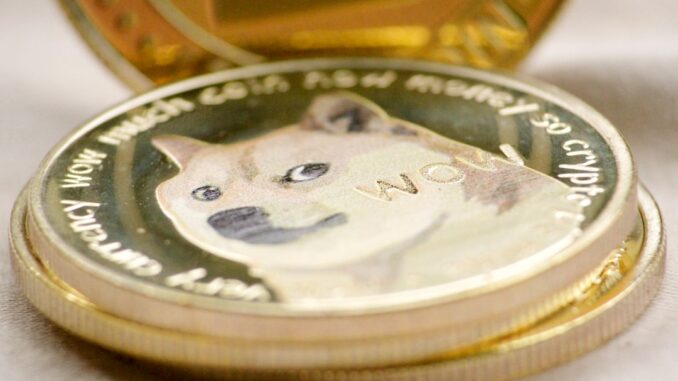
The concept of a memecoin was first actualized with the launch of Dogecoin (DOGE) in December 2013. Conceived by software engineers Billy Markus and Jackson Palmer, Dogecoin was initially intended as a lighthearted, satirical response to the burgeoning and increasingly serious cryptocurrency market, particularly Bitcoin’s dominance. The project was explicitly designed to be ‘fun’ and ‘approachable,’ a deliberate antidote to the perceived elitism and complexity of early blockchain technologies [Palmer, 2013]. Its mascot, the Shiba Inu dog from the then-ubiquitous ‘Doge’ internet meme, instantly resonated with online communities, providing an immediate cultural anchor.
Technically, Dogecoin was forked from Litecoin, utilizing the Scrypt hashing algorithm, which was less energy-intensive than Bitcoin’s SHA-256 and resistant to early ASIC miners, thereby promoting more decentralized mining among average users. Initially, Dogecoin featured a rapid block time of one minute and an uncapped supply, contrasting sharply with Bitcoin’s finite supply. This inflationary model was chosen to keep transaction fees low and to discourage long-term hoarding, further reinforcing its design as a ‘tipping currency’ for online content rather than a store of value [Markus, 2013].
Despite its humorous origins, Dogecoin quickly cultivated a vibrant and highly engaged community. This early community proved instrumental in its initial growth and sustained relevance. Members actively participated in philanthropic endeavors, famously raising funds to send the Jamaican bobsled team to the 2014 Winter Olympics and sponsoring a NASCAR driver. These events transcended typical cryptocurrency narratives, demonstrating the power of collective action and social coordination inherent in memecoin culture [Coindesk, 2014]. The involvement of prominent figures, most notably Elon Musk, who began publicly endorsing Dogecoin in 2019, further amplified its visibility and market value, elevating it from a niche internet joke to a globally recognized digital asset [Reuters, 2021]. This early success laid the foundational blueprint for subsequent memecoin projects, demonstrating that cultural resonance and community engagement could, in certain contexts, be as potent a driver of value as technological innovation.
2.2. Proliferation and Market Impact: The Rise of a New Asset Class
Following Dogecoin’s initial success and its significant price rallies, especially during the 2017 and 2021 bull runs, a new wave of cryptocurrencies sought to emulate its community-driven, meme-centric model. This period marked a significant proliferation of memecoins, each vying for attention by leveraging trending internet culture, pop culture references, or charismatic public figures. The ‘meme coin season’ became a recognizable market phenomenon, characterized by rapid capital rotation from one viral token to another [Kraken, 2023].
Shiba Inu (SHIB): Launched in August 2020 by an anonymous entity known as ‘Ryoshi,’ Shiba Inu positioned itself as the ‘Dogecoin Killer.’ Unlike Dogecoin, SHIB was created on the Ethereum blockchain as an ERC-20 token, immediately benefiting from Ethereum’s robust ecosystem and smart contract capabilities. Its tokenomics were designed with an incredibly vast initial supply (one quadrillion tokens), with 50% locked in Uniswap for liquidity and the other 50% sent to Ethereum co-founder Vitalik Buterin, who subsequently donated a significant portion to India’s COVID-19 relief fund and burned the remainder [Shiba Inu Whitepaper, 2020]. SHIB’s ecosystem has evolved to include ShibaSwap (a decentralized exchange), an NFT collection, and aspirations for a metaverse project, attempting to transcend its pure meme status by building utility. Its community, often referred to as the ‘ShibArmy,’ is particularly active on social media, driving significant sentiment and market movements.
Dogelon Mars (ELON): Introduced in April 2021, Dogelon Mars explicitly capitalized on the burgeoning interest in space exploration and Elon Musk’s public persona. Its name combines Dogecoin, Elon Musk, and Mars, creating a narrative around interstellar travel and future prosperity. Also an ERC-20 token, ELON’s narrative focuses on a fictional backstory of ‘Dogelon’s adventures,’ aiming to foster a strong community around a shared whimsical vision [Dogelon Mars Website, 2021]. Despite its lack of a traditional whitepaper or detailed technical roadmap, it achieved significant market attention due to its catchy name and thematic appeal [Wikipedia, 2023].
Pepe (PEPE): Emerging in April 2023, Pepe coin quickly rose to prominence by leveraging the controversial ‘Pepe the Frog’ internet meme. Unlike its predecessors that often featured canine mascots, PEPE represented a shift towards more abstract, internet-native meme culture. Its rapid ascent, achieving a multi-billion dollar market capitalization within weeks, underscored the market’s enduring appetite for purely speculative assets driven by viral trends and community hype, with minimal to no intrinsic utility or development beyond its meme status [CoinGecko, 2023].
Bonk (BONK): Launched in December 2022 as Solana’s ‘first dog-themed coin,’ Bonk gained rapid traction by being airdropped to Solana NFT holders and developers, aiming to revitalize the Solana ecosystem amidst a bear market. BONK’s strategy was community-centric from the start, with 50% of its total supply distributed as an airdrop. This created instant ownership and engagement, driving a significant price rally and injecting liquidity and optimism back into the Solana network, demonstrating the localized impact memecoins can have within specific blockchain ecosystems [Bonk Whitepaper, 2022].
The proliferation of these and countless other memecoins has led to a diversification of the market, exhibiting varying degrees of success and sustainability. While some, like SHIB, attempt to build ecosystems, many remain purely speculative vehicles. The overarching theme across all these projects is the profound influence of internet culture, social media virality, and collective sentiment in driving their market capitalization, often creating boom-and-bust cycles that define their volatile existence [Arxiv, 2024].
Many thanks to our sponsor Panxora who helped us prepare this research report.
3. Market Dynamics and Trading Behavior
3.1. Volatility and Speculative Nature
Memecoins are synonymous with extreme price volatility, routinely experiencing rapid and substantial price swings within exceptionally short timeframes. This inherent volatility is not a byproduct of market efficiency but rather a direct consequence of their speculative nature, which predominantly relies on sentiment, social media narratives, and coordinated community action rather than fundamental value or technological innovation. The absence of tangible assets, revenue streams, or patented technology means that valuation metrics commonly applied to traditional financial instruments or even established utility cryptocurrencies are largely irrelevant [Consulting, 2023].
The sources of this heightened volatility are manifold. Firstly, memecoin markets often suffer from comparatively low liquidity relative to their trading volumes, particularly for newer or smaller tokens. Thin order books mean that even moderate buy or sell orders can cause dramatic price movements. Secondly, large holder concentration, often referred to as ‘whales,’ can exert disproportionate influence. A single whale’s decision to buy or sell a significant portion of their holdings can trigger cascades of market orders, leading to swift pumps or dumps [Cointelegraph, 2023]. Thirdly, the rapid dissemination of information—or misinformation—via social media platforms can trigger immediate and often irrational market reactions. Positive sentiment, fueled by influencer endorsements or viral narratives, can create a ‘fear of missing out’ (FOMO) phenomenon, driving prices parabolically. Conversely, negative news, rumors of rug pulls, or general market downturns can instigate panic selling, leading to equally precipitous declines.
An illustrative example of this speculative fragility is the Squid Game token (SQUID), launched in October 2021. Inspired by the popular Netflix series, SQUID’s price surged by over 45,000% in less than a week, driven purely by hype and media attention. However, investors quickly discovered they were unable to sell their holdings, a malicious feature built into the smart contract. The price subsequently plummeted to near zero as the developers executed a ‘rug pull,’ absconding with an estimated $3.38 million in investor funds [CoinGecko, 2021]. This incident starkly underscored the perils of speculative trading in unregulated memecoin markets and the critical importance of due diligence [Coingecko.com]. The overarching principle governing these markets often aligns with the ‘greater fool theory,’ where participants buy an asset, not for its intrinsic value, but in the expectation that an even ‘greater fool’ will buy it from them at a higher price [Arxiv, 2025]. When the supply of ‘greater fools’ diminishes, the speculative bubble inevitably bursts.
3.2. Community Influence and Social Media: The Engine of Hype
The success or failure of a memecoin is inextricably linked to the vitality and activity of its online community, amplified and orchestrated through various social media platforms. These platforms are not merely communication channels; they are the primary engines for information dissemination, hype generation, and collective action, effectively shaping market sentiment and price trajectories.
Twitter/X: This platform serves as a critical nexus for real-time news, influencer endorsements, and developer announcements. Trending hashtags, ‘shilling’ by prominent crypto personalities, and direct communication from anonymous or pseudonymous developers can instantly sway sentiment and catalyze buying frenzies. The rapid, unfiltered flow of information on Twitter allows for the quick formation of narratives that can propel a memecoin’s popularity, often bypassing traditional financial news outlets [Viralnewsflare.com].
Reddit: Subreddits dedicated to specific memecoins or broader meme culture act as central hubs for community discussion, strategy sharing, and coordinated actions. The ‘diamond hands’ ethos—encouraging holders to resist selling despite price drops—and the ‘to the moon’ rhetoric originate and propagate within these forums, fostering a strong sense of collective identity and shared purpose. Reddit also plays a crucial role in amplifying initial interest through organic discussion and upvoting [Arxiv, 2024].
Telegram and Discord: These messaging applications facilitate more intimate and often less transparent communication. Private groups can be hotbeds for rapid market coordination, sometimes leading to illicit ‘pump-and-dump’ schemes. Developers frequently use these platforms to engage directly with their communities, answer questions, and build rapport, fostering a sense of belonging and exclusivity among early adopters. The speed and directness of communication in these channels are unparalleled, enabling swift reactions to market events [Kraken, 2023].
The psychological underpinnings of this social media influence are profound. The ‘fear of missing out’ (FOMO) is a potent motivator, compelling individuals to invest in rapidly rising assets lest they miss out on substantial gains. This is often coupled with herd mentality, where individuals conform to the actions of a larger group, assuming collective wisdom. The gamification of investing, where trading becomes a form of entertainment or a social sport, further encourages participation, often without a thorough understanding of the underlying risks [Arxiv, 2025]. The sense of belonging to an exclusive ‘army’ or ‘community’ provides social validation, reinforcing investment decisions even in the face of significant losses. This dynamic highlights how memecoin markets are profoundly driven by narrative economics, where stories and collective belief supersede traditional economic fundamentals [CoinDesk, 2024].
3.3. Economic Principles at Play
While memecoins defy conventional valuation models, several economic principles are demonstrably at play within their markets:
-
Supply and Demand: Like any asset, memecoin prices are ultimately determined by the interplay of supply and demand. However, unlike utility tokens where demand might be driven by network usage or technological adoption, memecoin demand is predominantly speculative and sentiment-driven. Supply-side factors, such as fixed or inflationary tokenomics, burning mechanisms, or initial large distributions, can significantly impact price dynamics [Gate.com, 2023]. An uncapped supply, like Dogecoin’s, theoretically limits its long-term scarcity appeal, while projects with aggressive burning mechanisms aim to create deflationary pressure.
-
Liquidity: The availability of liquidity is paramount. Memecoins often begin trading on decentralized exchanges (DEXs) like Uniswap or PancakeSwap, where liquidity is provided by users in liquidity pools. Low liquidity can lead to significant price slippage for larger orders, exacerbating volatility. The security of these liquidity pools, particularly whether they are ‘locked’ by a smart contract for a defined period, is a crucial indicator against potential ‘rug pulls’ where developers remove the liquidity, rendering the token worthless [Crypto The Guide, 2023].
-
Market Efficiency: Memecoin markets are prime examples of market inefficiency. The efficient market hypothesis posits that asset prices fully reflect all available information. However, memecoin markets are frequently subject to information asymmetry, manipulation, and irrational exuberance, leading to prices that often deviate wildly from any conceivable intrinsic value. This inefficiency is what creates opportunities for savvy traders but also exposes less informed participants to substantial risks [Info.arkm.com, 2023].
-
Network Effects: While often without a complex network, memecoins still benefit from a form of network effect—the more people who hold and talk about a memecoin, the more attractive it becomes to others, reinforcing its perceived value and visibility. This social network effect is a powerful, albeit fragile, driver of growth.
Many thanks to our sponsor Panxora who helped us prepare this research report.
4. Trading Strategies and Risk Management
Navigating the memecoin market requires a distinct approach to trading strategies and an unwavering commitment to robust risk management. Traditional investment paradigms are often inadequate, necessitating an adapted framework that acknowledges the speculative and sentiment-driven nature of these assets.
4.1. Adapted Fundamental Analysis for Memecoins
While traditional fundamental analysis, which assesses a company’s financial health and intrinsic value, is largely inapplicable to memecoins, an adapted form of due diligence is essential. This ‘memecoin fundamental analysis’ focuses on non-traditional indicators of project viability and community robustness:
-
Project Origin and Narrative: Understand the meme or cultural phenomenon that inspired the coin. Is it a transient trend or a deeply embedded internet fixture? A stronger, more enduring narrative can contribute to long-term community resilience. Examine the project’s stated mission or vision, however rudimentary it may be [Kraken, 2023].
-
Community Size and Engagement: A vibrant and active community is the lifeblood of a memecoin. Assess the number of followers and the level of engagement on platforms like Twitter, Reddit, Telegram, and Discord. Look for genuine interaction rather than bot activity. A strong community can provide a ‘floor’ during market downturns through collective holding (‘diamond hands’) [Viralnewsflare.com].
-
Liquidity and Trading Volume: Use tools like DEXTools, CoinGecko, and CoinMarketCap to evaluate the token’s liquidity across various decentralized exchanges. High liquidity generally indicates a healthier market and allows for easier entry and exit. Consistent trading volume suggests ongoing interest and market activity. Also, examine the liquidity pool status: Is it locked? For how long? This is a critical indicator against potential ‘rug pulls’ [Cointelegraph, 2023].
-
Credibility and Transparency of the Development Team: Many memecoin projects are launched by anonymous teams, which inherently carries higher risk. For projects with known teams, research their background, past projects, and communication frequency. Transparency in updates and responses to community concerns can build trust. Lack of a clear roadmap or a ‘whitepaper’ (or ‘litepaper’) is common but should be noted as a risk factor. Audit status, if any, by reputable blockchain security firms (e.g., CertiK, PeckShield) can provide a layer of assurance, though it is rare for pure memecoins.
-
Tokenomics and Distribution: Analyze the token’s supply schedule (total supply, circulating supply), distribution model (fair launch, pre-sale, airdrops), and any burning mechanisms. Highly concentrated holdings by a few ‘whales’ can pose a centralization risk. Understanding how tokens are minted, burned, or distributed helps predict potential supply shocks or long-term inflationary/deflationary trends [Gate.com, 2023].
-
On-chain Data Analysis: Leverage blockchain explorers (e.g., Etherscan for Ethereum-based tokens, Solscan for Solana) to monitor crucial on-chain metrics. This includes the number of unique holders (indicating distribution), transaction count, large wallet movements (whale tracking), and contract address analysis (checking for malicious functions like honeypot traps or ability to freeze transfers) [Info.arkm.com, 2023]. This is perhaps the most ‘fundamental’ analysis possible for completely transparent, open-source blockchain assets.
4.2. Technical Analysis and Market Indicators for Memecoins
While the highly speculative and sentiment-driven nature of memecoins often disrupts traditional technical analysis (TA) patterns, certain indicators and chart patterns can still offer insights, especially when combined with social sentiment analysis.
-
Volume Analysis: Trading volume is often considered a leading indicator in memecoin markets. A sudden surge in volume accompanying a price increase can signify genuine interest, while a rapid price rise on low volume might indicate manipulation or thin liquidity. Conversely, declining volume during a price fall could suggest capitulation [Cointelegraph, 2023].
-
Price Momentum Indicators: Indicators such as the Relative Strength Index (RSI) or Stochastic Oscillator can identify overbought or oversold conditions. However, in highly parabolic memecoin pumps, these indicators can remain in overbought territory for extended periods, necessitating caution in their interpretation. They are best used in conjunction with other signals or for identifying potential divergence.
-
Moving Averages (MA): Short-term moving averages (e.g., 9-period, 21-period) can help identify immediate trends and potential support/resistance levels. Crossovers between different moving averages can generate buy or sell signals, but these are often prone to whipsaws in highly volatile markets [Crypto The Guide, 2023].
-
Chart Patterns (Adapted): While classical patterns like head and shoulders or double tops may form, they can be quickly invalidated by sudden bursts of social media hype. More relevant patterns might include parabolic ramps (characteristic of pump phases), extended consolidation periods (often preceding a new pump or dump), and steep declines following all-time highs. Recognizing ‘pump-and-dump’ patterns specifically is crucial for memecoin traders.
-
Social Media Sentiment Indicators: Integrating tools that track social media mentions, sentiment scores, and trending topics across platforms (e.g., LunarCrush, Santiment) can provide a pulse on market sentiment. A sudden spike in positive mentions could precede a price pump, while a rise in negative sentiment or mentions of ‘scam’ or ‘rug pull’ could signal impending trouble. Monitoring influencer activity is also key.
-
On-chain Indicators: Beyond holder count, tracking metrics like transaction velocity, exchange netflows (tokens moving to/from exchanges), and the number of active addresses can provide a more granular view of market participant behavior and potential shifts in sentiment or supply dynamics [Info.arkm.com, 2023].
4.3. Comprehensive Risk Management Techniques
Given the extreme volatility and speculative nature of memecoins, implementing robust risk management strategies is not merely advisable but absolutely critical to prevent catastrophic losses and preserve capital.
-
Capital Allocation: The cardinal rule for memecoin investing is to only allocate a minuscule portion of one’s overall investment portfolio – typically no more than 1-5%. This ensures that even if the entire memecoin investment goes to zero, the impact on the overall portfolio is minimal. View these investments as high-risk, high-reward gambles rather than stable long-term assets.
-
Position Sizing: Strictly limit the size of individual trades. Avoid ‘all-in’ strategies on any single memecoin, regardless of perceived opportunity. Smaller position sizes allow for diversification across multiple memecoins (if desired, though still risky) and reduce the impact of any single failed trade.
-
Clear Investment Goals and Exit Strategies: Before entering a trade, define clear profit targets and stop-loss levels. For profit-taking, consider scaling out of positions as the price rises (e.g., selling 25% at 2x, another 25% at 5x) to secure initial capital and profits. For losses, strictly adhere to pre-defined stop-loss orders to automatically exit a position if the price falls below a certain threshold, preventing emotional decisions from leading to larger losses [Cointelegraph.com]. Trailing stop-losses can be particularly useful to protect gains while allowing for further upside.
-
Dollar-Cost Averaging (DCA) with Caution: While a staple in traditional investing, DCA can be risky with memecoins due to their potential to go to zero. If employed, it should be done very cautiously, perhaps only during deep pullbacks in an otherwise fundamentally strong (for a memecoin) project, and always within the confines of allocated risk capital. Avoid ‘catching falling knives’ without clear reversal signals.
-
Diversification (Within and Beyond Memecoins): True portfolio diversification involves holding a mix of asset classes (equities, bonds, real estate). Within the crypto sphere, this means holding established cryptocurrencies (Bitcoin, Ethereum) alongside any speculative memecoin holdings. If investing in multiple memecoins, ensure they are not all linked to the same meme or narrative, which could fall out of favor simultaneously.
-
Emotional Discipline and Psychological Preparedness: The memecoin market is a highly emotional environment. Develop strong emotional discipline to resist FOMO during parabolic pumps and FUD (fear, uncertainty, doubt) during crashes. Stick rigidly to your predefined trading plan, and avoid making impulsive decisions based on social media hype or despair. Understand that capital invested in memecoins should be considered ‘expendable’ [Info.arkm.com, 2023].
-
Vigilant Scam Avoidance and Due Diligence: Before investing, conduct thorough due diligence to identify potential scams. Check for locked liquidity, audit reports, community sentiment regarding developer legitimacy, and avoid projects with overly aggressive marketing or promises of guaranteed returns. Always verify contract addresses to avoid phishing scams and ensure you are buying the correct token.
Many thanks to our sponsor Panxora who helped us prepare this research report.
5. Regulatory Considerations and Legal Implications
The rapid emergence and unique characteristics of memecoins have presented significant challenges to regulatory bodies worldwide, leading to an evolving, often ambiguous, and inconsistent legal landscape. The core difficulty lies in fitting these unconventional digital assets into existing regulatory frameworks designed for traditional securities or even utility cryptocurrencies.
5.1. The Evolving Regulatory Landscape
Jurisdictions globally are grappling with how to classify and oversee memecoins. The primary regulatory concern revolves around whether memecoins qualify as ‘securities,’ which would subject them to stringent registration requirements, disclosure obligations, and investor protection laws. The most widely referenced legal test for this classification in the United States is the ‘Howey Test,’ established by the Supreme Court in SEC v. W.J. Howey Co. in 1946. This test defines a security as an ‘investment of money in a common enterprise with a reasonable expectation of profits to be derived from the entrepreneurial or managerial efforts of others.’
For many years, the U.S. Securities and Exchange Commission (SEC) has applied the Howey Test to various cryptocurrencies. However, its stance on memecoins has seen a nuanced evolution. In a notable shift, the SEC has increasingly leaned towards categorizing pure memecoins, which explicitly lack utility or a centralized development team actively managing the project for profit, as ‘collectibles’ or digital artifacts without inherent value or functionality [CincoDías, 2025]. This reclassification suggests that if investors purchase memecoins primarily for their meme value, cultural significance, or as speculative ‘collectibles’ without a direct expectation of profit derived from the efforts of a common enterprise (as there often isn’t one), then these assets might fall outside the traditional definition of a security. This classification, while perhaps acknowledging their cultural origins, has profound implications: it often exempts memecoin issuers from registering their assets with the SEC, significantly reducing regulatory oversight. Consequently, investors in these assets are left without the protections afforded by federal securities laws, such as mandatory disclosures, anti-fraud provisions, and clear recourse mechanisms [CincoDías, 2025].
Other jurisdictions offer varying approaches. Some nations, particularly those with more restrictive crypto policies, have outright banned trading in highly speculative tokens, including memecoins. Others adopt a ‘wait and see’ approach, allowing memecoins to operate in a largely unregulated grey area. The Financial Action Task Force (FATF), an intergovernmental organization that sets international standards to prevent illegal activities, has issued guidance on virtual assets, including cryptocurrencies, emphasizing Anti-Money Laundering (AML) and Counter-Terrorist Financing (CTF) concerns. While this guidance applies to crypto exchanges, the decentralized nature and often anonymous teams of memecoin projects pose significant challenges to implementing effective AML/CTF measures, particularly for transactions occurring on decentralized exchanges (DEXs) [FATF, 2021].
5.2. Investor Protection and Market Integrity
The lack of comprehensive regulatory oversight creates significant vulnerabilities for investor protection and compromises the overall integrity of the broader cryptocurrency market. The memecoin space is notoriously fertile ground for various illicit activities and scams:
-
Rug Pulls: This is one of the most prevalent and damaging scams. Developers create a token, generate hype, attract investors, and then abruptly withdraw all liquidity from the decentralized exchange (DEX) liquidity pool, leaving investors with worthless tokens they cannot sell. The SQUID token incident is a prime example [Coingecko.com].
-
Honeypots: These are malicious smart contracts designed to allow buying but prevent selling. Investors can purchase the token, but when they attempt to sell, the transaction fails, or an exorbitant tax is levied, effectively trapping their funds.
-
Pump-and-Dump Schemes: These coordinated market manipulation tactics involve a group of individuals artificially inflating the price of a memecoin through concerted buying and hype generation, only to sell their holdings en masse at the peak, leaving unsuspecting retail investors with rapidly devaluing assets. Social media platforms, especially private Telegram or Discord groups, are frequently used to orchestrate these schemes [Cointelegraph, 2023].
-
Impersonation and Phishing: Scammers often create fake websites, social media accounts, or even duplicate token contracts to trick investors into sending funds to incorrect addresses or buying counterfeit tokens.
-
Wash Trading: In thinner memecoin markets, trading volume can be artificially inflated by entities repeatedly buying and selling the same asset to themselves, creating a false impression of high demand and activity.
Victims of these scams often have little to no legal recourse due to the decentralized, cross-border, and often anonymous nature of memecoin projects. The absence of a centralized authority or clearly defined legal accountability makes it exceedingly difficult for law enforcement to investigate and prosecute perpetrators, especially when funds are moved rapidly across different blockchains or mixed through privacy protocols. This creates a high-risk environment where trust is paramount but often misplaced.
Furthermore, the prevalence of these manipulative practices and scams erodes public trust in the wider cryptocurrency ecosystem, inviting increased scrutiny from traditional financial institutions and potentially hindering broader adoption. The SEC’s decision to classify memecoins as ‘collectibles’ might, in the short term, reduce its enforcement burden, but it simultaneously sends a message that investors engage with these assets at their own peril, highlighting the ongoing tension between innovation, decentralization, and the imperative for investor protection [CincoDías, 2025].
Many thanks to our sponsor Panxora who helped us prepare this research report.
6. Future Outlook and Market Trends
The future trajectory of memecoins is a subject of intense debate, characterized by a tension between their inherent speculative nature and the potential for a select few to evolve beyond their meme origins. While many are destined to be transient phenomena, market maturation, technological advancements, and shifts in societal perceptions could redefine their role in the digital asset landscape.
6.1. Market Maturation and Sustainability
As the cryptocurrency market matures, so too might the memecoin segment. The initial waves of purely speculative tokens, often launched with minimal effort and quickly abandoned, may give way to projects that attempt to build more sustainable ecosystems. Several pathways could lead to increased longevity and value proposition for certain memecoins:
-
Development of Tangible Use Cases: The most significant path to sustainability involves transitioning beyond pure meme status by integrating actual utility. This could manifest as memecoins becoming native currencies within specific gaming metaverses, payment tokens for niche communities, or even being integrated into decentralized applications (dApps) where their large, active communities could provide a user base [Arxiv, 2024]. For example, the Shiba Inu ecosystem, with ShibaSwap and its metaverse ambitions, represents an attempt to build utility around its brand. Successful integration into Web3 infrastructure could grant longevity.
-
Community Governance and Decentralized Autonomous Organizations (DAOs): Some memecoins may evolve into truly community-governed projects through DAOs, where token holders collectively make decisions regarding the project’s development, treasury management, and future direction. This decentralization of power could foster greater trust and long-term commitment from the community, making the project more resilient to single points of failure [BDC.consulting, 2023].
-
Philanthropic and Social Impact Initiatives: Following Dogecoin’s early philanthropic endeavors, some memecoins may carve out a niche by dedicating a portion of their treasury to charitable causes. This can create a positive public image, attract socially conscious investors, and provide a purpose beyond mere speculation, strengthening community bonds and external perception.
-
Brand Recognition and Cultural Endurance: Similar to how certain brands transcend their product, some memecoins might achieve such significant cultural recognition that their brand alone confers a form of ‘value.’ Dogecoin, for instance, has demonstrated remarkable resilience, largely due to its strong brand and association with prominent figures. This cultural staying power can enable a memecoin to weather market downturns better than its less recognizable counterparts [CoinDesk, 2024].
However, it is crucial to acknowledge that the speculative nature of memecoins dictates that the vast majority will likely continue to experience high volatility, short-lived market presence, and ultimately fade into obscurity. The ‘survivor bias’ will ensure that only a small fraction of these projects achieve any lasting relevance, while the broader trend will remain one of rapid boom-and-bust cycles [Arxiv, 2025]. Institutional adoption of pure memecoins remains highly unlikely given their inherent risks and lack of fundamental investment metrics.
6.2. Technological Innovations and Integration
The broader advancements in blockchain technology will undoubtedly influence the landscape for memecoins, even if memecoins themselves are not the primary drivers of innovation:
-
Enhanced Blockchain Infrastructure: Memecoins built on existing, improving blockchain infrastructures (e.g., Ethereum’s transition to Proof-of-Stake, the scalability advancements of Solana, Avalanche, or Polygon) will benefit from increased transaction efficiency, lower fees, and greater network security. These technical improvements can make memecoins more practical for micro-transactions or integration into dApps without necessarily needing to innovate at the protocol level themselves.
-
Decentralized Finance (DeFi) Integration: As DeFi ecosystems mature, some memecoins might find limited integration. This could include yield farming opportunities where users can stake memecoins to earn rewards, or providing liquidity in DEXs. However, lending and borrowing protocols are less likely to embrace highly volatile memecoins as collateral due to the immense liquidation risk [Arxiv, 2024].
-
Cross-Chain Compatibility: Developments in cross-chain bridges and interoperability protocols could allow memecoins to be seamlessly transferred and utilized across different blockchain networks, potentially expanding their reach and utility within a multi-chain ecosystem.
-
NFTs and Metaverse Convergence: The lines between memecoins and Non-Fungible Tokens (NFTs) are increasingly blurring. Memecoins could be used as the native currency within meme-themed metaverse environments or as a reward token for NFT holders, creating synergistic value propositions based on digital collectibles and virtual economies. This intertwining leverages the cultural pull of both phenomena.
6.3. Societal and Cultural Impact
Beyond their financial implications, memecoins represent a fascinating intersection of digital culture, finance, and societal behavior:
-
Onboarding New Crypto Users: Memecoins often serve as a gateway for new users into the cryptocurrency space. Their low entry barrier, viral appeal, and simple premise (buy a meme coin) can demystify the initial steps of crypto investing, potentially leading users to explore more established projects later [CoinDesk, 2024].
-
Democratization of Finance Narrative: For some, memecoins embody a narrative of democratizing finance, allowing retail investors to collectively challenge traditional financial structures. This echoes the ‘David versus Goliath’ sentiment seen in events like the GameStop short squeeze, where collective online action aims to redistribute wealth or disrupt established power structures.
-
Cultural Commentary: Memecoins, by their very nature, are a form of cultural commentary, reflecting and amplifying internet trends, political satire, and shared online humor. Their fleeting popularity or enduring resilience can offer insights into the prevailing zeitgeist of digital culture.
-
Regulatory Catalysts: The high-profile successes and failures of memecoins have undoubtedly pushed regulators to re-evaluate existing frameworks and consider new approaches to digital assets. While challenging, this regulatory pressure could ultimately lead to more coherent and comprehensive oversight for the entire crypto industry.
Many thanks to our sponsor Panxora who helped us prepare this research report.
7. Conclusion
Memecoins stand as a distinctive and compelling segment within the rapidly evolving digital asset landscape, representing a unique convergence of internet culture, behavioral economics, and speculative finance. Their emergence, primarily catalyzed by the satirical success of Dogecoin, has blossomed into a diverse and highly dynamic market characterized by unprecedented volatility, profound community influence, and a pervasive reliance on social media-driven narratives. This detailed analysis has highlighted that while memecoins often lack inherent utility or technological innovation, their value proposition is instead derived from collective belief, cultural resonance, and the speculative fervor of a global, interconnected community.
Navigating the memecoin market demands an exceptionally cautious and highly disciplined approach. Traditional fundamental analysis is largely superseded by an adapted framework focusing on community health, tokenomics, and on-chain metrics, while technical analysis must be applied with extreme discretion, given the market’s susceptibility to rapid, sentiment-driven shifts. Above all, robust risk management strategies—including strict capital allocation, precise position sizing, and predefined exit strategies—are indispensable for mitigating the considerable financial risks inherent in these highly speculative assets. The prevalence of scams such as rug pulls and pump-and-dump schemes further underscores the critical importance of rigorous due diligence and emotional fortitude.
The regulatory environment surrounding memecoins remains nascent and complex, with jurisdictions like the U.S. SEC attempting to classify them, often as ‘collectibles,’ thereby leaving investors without the protections afforded by traditional securities laws. This regulatory ambiguity, coupled with the decentralized and often anonymous nature of these projects, creates a significant gap in investor protection and poses ongoing challenges to market integrity. While the future of the memecoin sector suggests a potential for some projects to mature by developing utility or stronger governance models, the overwhelming majority are likely to remain short-lived speculative vehicles. Nevertheless, their cultural impact, ability to onboard new users to crypto, and capacity to catalyze regulatory discussions ensure their continued relevance as a peculiar but powerful force in the digital economy.
In conclusion, memecoins encapsulate both the immense opportunities for rapid capital appreciation and the profound risks of catastrophic loss that define the frontier of digital finance. For market participants, an informed, cautious, and adaptable approach, grounded in a deep understanding of their unique dynamics, is paramount for responsible engagement in this fascinating and often bewildering market segment.
Many thanks to our sponsor Panxora who helped us prepare this research report.
References
- [Arxiv, 2024] ‘The Social Mechanics of Memecoin Markets: A Study of Community Dynamics and Price Volatility.’ Available at: arxiv.org
- [Arxiv, 2025] ‘Behavioral Economics and Speculative Bubbles in Decentralized Finance: The Case of Memecoins.’ Available at: arxiv.org
- [BDC.consulting, 2023] ‘Market Research: Memecoins and Their Place in the Web3 Ecosystem.’ Available at: bdc.consulting
- [Bonk Whitepaper, 2022] ‘Bonk Tokenomics and Community Distribution Whitepaper.’
- [CincoDías, 2025] ‘La SEC limita la protección de los inversores al determinar que las memecoins son objetos de colección.’ Available at: cincodias.elpais.com
- [CoinDesk, 2014] ‘Dogecoin Raises $30,000 for Jamaican Bobsled Team.’
- [CoinDesk, 2024] ‘Memecoins Reach $140B Market Cap and Gain Ground in Crypto Economy.’ Available at: coindesk.com
- [CoinGecko, 2021] ‘Squid Game Token (SQUID) Rug Pull Incident Analysis.’
- [CoinGecko, 2023] ‘Pepe Coin (PEPE) Market Performance Report.’
- [Coingecko.com] ‘How to Trade Memecoins.’ Available at: https://www.coingecko.com/learn/how-to-trade-memecoins
- [Cointelegraph, 2023] ‘How to Trade Memecoins.’ Available at: cointelegraph.com
- [Crypto The Guide, 2023] ‘Memecoin Trading Steps and Strategies.’ Available at: cryptotheguide.com
- [Dogelon Mars Website, 2021] Official Project Overview.
- [FATF, 2021] ‘Updated Guidance for a Risk-Based Approach to Virtual Assets and Virtual Asset Service Providers.’
- [Gate.com, 2023] ‘Memecoin Trading Steps and Strategies.’ Available at: gate.com
- [Info.arkm.com, 2023] ‘Crypto Trading 101: Memecoins.’ Available at: info.arkm.com
- [Kraken, 2023] ‘Trading Memecoins.’ Available at: kraken.com
- [Markus, 2013] Billy Markus, Dogecoin Creator, Public Statements.
- [Palmer, 2013] Jackson Palmer, Dogecoin Creator, Public Statements.
- [Reuters, 2021] ‘Elon Musk’s Tweets Fuel Dogecoin Rally.’
- [Shiba Inu Whitepaper, 2020] ‘Woofpaper’ on ShibaSwap.
- [Wikipedia, 2023] ‘Dogelon Mars.’ Available at: en.wikipedia.org
- [Viralnewsflare.com] ‘Mastering Memecoin Trading: A Beginner’s Guide.’ Available at: viralnewsflare.com
Be the first to comment